Tuesday, June 30, 2026
spot_img
Home Blog Page 198

Covestro and Lanxess Cooperate to Produce More Sustainable Raw Materials With Reduced Co₂ Footprint

Covestro and Lanxess Cooperate to Produce More Sustainable Raw Materials With Reduced Co₂ Footprint

  • Companies agree production of key basic chemicals
  • Covestro uses electricity with certificates of origin from hydropower for electrolysis in North Rhine-Westphalia
  • Cooperation reduces CO₂ emissions by up to 120,000 tons per year

Chemical companies Covestro and LANXESS are cooperating in the energy-intensive production of basic chemicals at their Lower Rhine sites in Germany and make them more climate friendly. LANXESS procures chlorine, caustic soda and hydrogen from the ISCC PLUS-certified sites of Covestro in Leverkusen and Krefeld-Uerdingen. With immediate effect, Covestro is manufacturing around one-third of the volume of products it supplies to LANXESS using energy from hydropower based on guarantees of origin.

“Covestro is pursuing the goal of completely converting its production to electricity from renewable sources on its path to operational climate neutrality in 2035,” says Dr. Klaus Schäfer, Chief Technology Officer of Covestro. “A particular focus is on the energy-intensive production of basic raw materials. In cooperation with LANXESS, we use energy in our electrolysis plants in North Rhine-Westphalia on a pro-rata basis, which enables us to reduce our reported emissions by up to 120,000 metric tons of CO₂ per year.”

“The joint project with Covestro is an important building block in making our entire value chain climate-neutral. By sourcing raw materials for these products with a significantly reduced carbon footprint, we will be able to reduce our reported indirect emissions by up to 120,000 metric tons of CO₂ equivalents per year,” says Dr. Hubert Fink, member of the LANXESS Board of Management. With its Net Zero Value Chain Initiative, the specialty chemicals group plans to eliminate Scope 3 emissions within its upstream and downstream supply chain by 2050. This includes indirect emissions, particularly from purchased raw materials, but also in logistics or disposal. For Scope 1 and 2 emissions, the company aims to be climate neutral as early as 2040. “With this program, we are taking the next step towards a climate-neutral product portfolio and also supporting our customers, who are increasingly looking for sustainable solutions,” says Fink.

Chlorine, caustic soda and hydrogen are basic building blocks for many products in the chemical industry. However, their production is very energy-intensive. LANXESS uses the raw materials supplied by Covestro, for example, for products that are then used in the food and agricultural industries. Covestro produces the three basic raw materials at its North Rhine-Westphalian sites in Leverkusen, Krefeld-Uerdingen and Dormagen. Both the former have already been certified to the internationally recognized ISCC PLUS standard for the production of the strategic raw material chlorine, while this is also planned for Dormagen in the near future. The correct allocation of the electricity to the products is ensured via this certification and the use of the renewable energy is proven by the invalidation of certificates of origin at the Federal Environment Agency.

Covestro is also actively involved in various projects to build a hydrogen economy that uses mainly or exclusively green hydrogen as an energy carrier. Among other things, the company is supporting, in cooperation with Hydrogenious LOHC Technologies, to build the world’s largest plant for storing renewable hydrogen in liquid organic carriers in Dormagen, Germany.

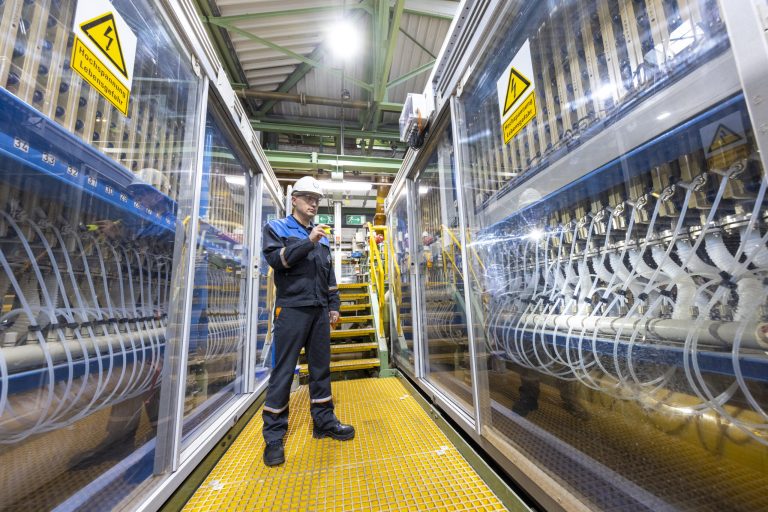
Teamwork during production monitoring in the electrolysis hall.


With regard to its energy supply, Covestro focuses on power purchase agreements (PPAs) for renewable energy or high-level certificates. Only recently, the company signed PPAs with Chinese supplier CGN New Energy on wind and solar power that will cover around 30 percent of the electricity needs of its important production site in Shanghai. Under another, utility Ørsted will supply offshore wind energy starting in 2025, which is expected to meet 10 percent of the electricity needs of Covestro’s sites in Germany. ENGIE, Belgium’s largest renewable energy producer, will provide onshore wind energy to meet 45 percent of the electricity demand of Covestro’s Antwerp production site in Belgium.

www.covestro.com


#modernplasticsindia #plasticmagazine #indianmagazine #indianplasticmagazine #modernplasticsaward #ginujoseph #modernplastic #plasticindia #plasticnews #plasticrecycling #modernplasticsglobalnetwork #modernglobalnetwok #modernplasticsaward2022 #PlasticIndustry#covestro
Borealis Borcycle C Chemical Recycling Provides Circular Solutions for Crosslinked Polyethylene for the Wire & Cable and Infrastructure Sectors

Borealis Borcycle C Chemical Recycling Provides Circular Solutions for Crosslinked Polyethylene for the Wire & Cable and Infrastructure Sectors

  • Pyrolysis process keeps difficult-to-recycle crosslinked polyethylene like XLPE and PE-X in the circular loop
  • Chemically recycled grades in the Borcycle C portfolio are ISCC PLUS certified according to the mass balance methodology
  • EverMinds approach provides innovative and viable solutions to recycling challenges in the Wire & Cable and Infrastructure industries

Borealis announces the capability to use its proprietary Borcycle C chemical recycling process to recycle crosslinked polyethylene (PE) types such as XLPE and PE-X into recycled polyethylene. Thanks to its suitability for high performance applications, the recycled PE obtained in the pyrolysis process can replace virgin PE in the manufacture of XLPE and PE-X for use in the Wire & Cable and Infrastructure industries, respectively. Using ISCC PLUS (International Sustainability and Carbon Certification) certified grades in the Borcycle C portfolio enables customers to capitalise on circular solutions while at the same time maintaining high application quality and industry standards.

A sustainable solution to overcome the challenges in recycling XLPE and PE-X

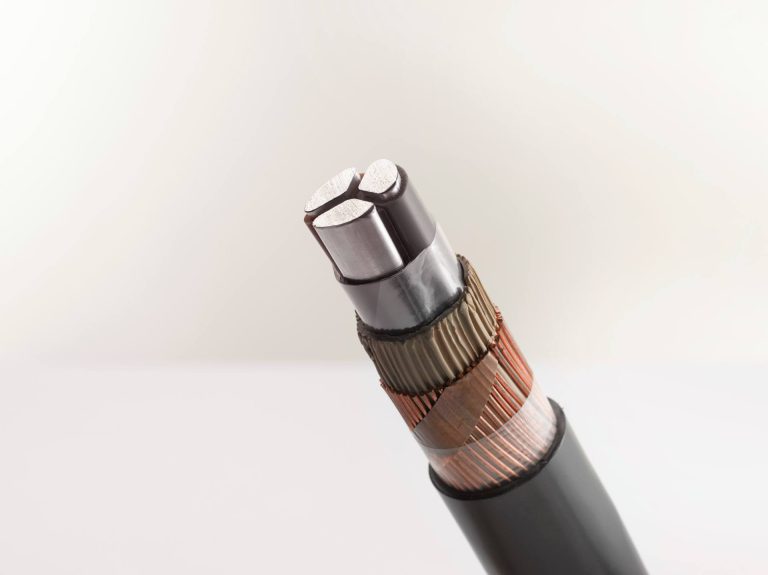
For cable networks, XLPE offers cost effectiveness and flexibility in installation. When used as insulation in low voltage electrical cables, XLPE boasts a better overall life-cycle impact than alternative materials: less of this lighter-weight material is required to provide top cable system performance. PE-X is deployed in a wide range of advanced polyolefin plumbing and heating pipes, and is particularly suited for coping with demanding environments. Compared to conventional materials, the inherent properties of crosslinked PE-X offer distinct benefits, including exceptional toughness, chemical resistance and durability at high temperatures. Up until recently, however, it was difficult to recycle XLPE or PE-X in such a way as to obtain the virgin-like PE required for these high-performance applications.

By drawing on its polymers expertise and recycling know-how, Borealis can now offer its customers a circular solution for crosslinked PE. In a series of tests conducted by Borealis, XLPE and PE-X plastic waste were pre-treated and fed into the Borcycle C chemical recycling process. This chemically-recycled material was analysed and determined to be suitable for use as cracker feedstock in the production of new ethylene in the manufacture of virgin-grade XLPE and PE-X.

The proprietary and evolving recycling technology Borcycle C transforms plastic waste streams into value-added products. These chemical recycling solutions complement mechanical recycling by turning difficult-to-recycle plastics – like crosslinked polyethylene – into virgin-level grade materials with the highest safety and performance characteristics.

Grades in the Borcycle C portfolio of circular polyolefins are ISCC PLUS certified according to the third-party mass balance methodology. This allows the customer to track and quantify the effective circular feedstock used at each step in the manufacturing process. When customers choose grades from the Borcycle C portfolio, they are replacing fossil fuel-based feedstock with an identical volume of circular feedstock without incurring extra switching costs, and – most importantly – while maintaining the same high application quality.

“True to our EverMinds mindset, we’re proud to provide a long sought-after solution for XLPE recycling. Having pioneered the development of advanced insulation and jacketing systems, we are now making them more circular as well,” says Bart Verheule, Borealis Global Commercial Director Energy. “As Borealis Energy celebrates its 60th year as a reliable and trusted partner to our customers and value chain partners, we intend to keep re-inventing essentials for sustainable living in both the Wire & Cable and Infrastructure sectors.”

www.borealisgroup.com


#modernplasticsindia #plasticmagazine #indianmagazine #indianplasticmagazine #modernplasticsaward #ginujoseph #modernplastic #plasticindia #plasticnews #plasticrecycling #modernplasticsglobalnetwork #modernglobalnetwok #modernplasticsaward2022 #PlasticIndustry#borealisgroup

University of North Carolina Wilmington Expands Polystyrene Recycling with Support from Foam Recycling Coalition

University of North Carolina Wilmington Expands Polystyrene Recycling with Support from Foam Recycling Coalition

The University of North Carolina Wilmington’s demand for recycling services has markedly increased since the start of its recycling program in 1989. What began with a five-person operation has expanded to include collections, hauling, and processing capabilities with an on-campus hand-sorting material recovery facility and drop-off center (The Depot). Now, with the help of the Foam Recycling Coalition, the university will expand its polystyrene foam recycling capabilities to meet increased volumes.

UNCW received a $9,627 grant from the Foodservice Packaging Institute’s Foam Recycling Coalition (FRC) to purchase four containers to collect the increased volume of polystyrene foam. It will add a second densifier, donated to the university, that will double the capacity to process foam, including packing blocks, coolers, peanuts, foodservice containers, egg crates and meat trays.

“99% of all foam collected at UNCW comes from off-campus via drop-off at either our MRF or The Depot. As well as receiving material from the public, we partner with local businesses to process their foam,” said Feletia Lee, chief sustainability officer with UNCW Business Services. “UNCW is looking to expand our relationships with the city and county to target foam in their operations.”

“The University of North Carolina Wilmington is making strides to meet demand and create a circular economy with over 95% of materials processed on campus being sent to vendors in North Carolina. The Foam Recycling Coalition is proud to support the university’s efforts to divert more foam polystyrene from landfills,” said Natha Dempsey, president of the Foodservice Packaging Institute, which oversees FRC.

The grant is made possible through contributions to FRC, which focuses exclusively on increased recycling of post-consumer foam polystyrene. Its members include Americas Styrenics; Chick-fil-A; CKF Inc.; Dart Container Corp.; Dolco; Dyne-A-Pak; Genpak; INEOS Styrolution America LLC; Lifoam Industries, LLC; Pactiv Evergreen; and Republic Plastics.

UNCW is the 27th grant recipient to receive this funding since 2015. Over 8 million additional residents in the U.S. and Canada can recycle foam polystyrene as a result of FRC grants. Visit www.RecycleFoam.org to learn more about foam recycling, read about previous recipients or apply for a grant.


#modernplasticsindia #plasticmagazine #indianmagazine #indianplasticmagazine #modernplasticsaward #ginujoseph #modernplastic #plasticindia #plasticnews #plasticrecycling #modernplasticsglobalnetwork #modernglobalnetwok #modernplasticsaward2022 #PlasticIndustry#FPI

Hansgrohe Selected INEOS Styrolution’s Sustainable Novodur ECO for Their Chrome Plated Sanitary Fittings

Hansgrohe Selected INEOS Styrolution’s Sustainable Novodur ECO for Their Chrome Plated Sanitary Fittings

  • Novodur: INEOS Styrolution’s specialty ABS1
  • Novodur P2MC: special injection moulding grade suitable for electroplating
  • Novodur ECO P2MC B50: plug-in grade with 50% bio-attributed contribution
  • Novodur ECO B50: product carbon footprint savings of up to 71%

INEOS Styrolution, the global leader in styrenics, has today announced that Hansgrohe, a leading global manufacturer of sanitary fittings and fixtures has selected the company’s sustainable Novodur ECO solutions for their next generation products.

Hansgrohe is one of the world’s largest producers of shower heads, hand-held showers and taps/ faucets. As part of their challenge to reduce the company’s ecological footprint, the company decided to look at the materials used for the production of their sanitary fittings. They selected INEOS Styrolution’s Novodur ECO P2MC B50 for two reasons: Firstly, Hansgrohe’s high quality standards were not to be compromised and secondly, adjustments to production had to be minimal.

INEOS Styrolution’s bio-attributed Novodur grades fulfill these demands: The products offer identical properties as the conventional material – including surface quality, impact strength, high flowability and, in the case of Novodur ECO P2MC B50, suitability for electroplating. The material is also a plug-in solution not requiring any changes to the production setup. At the same time, Novodur ECO B50 grades offer product carbon footprint (PCF) savings of up to 71%2.

Frank Semling, Chief Operating Officer at Hansgrohe SE, said: “We are extremely pleased that the transition to the new sustainable Novodur ECO P2MC B50 was very swift and completely hassle-free.”

He continues: “We are excited to be the first INEOS Styrolution customer in our industry to change to the new bio-attributed material. We encourage more companies in all industries to make the switch to sustainable materials to jointly improve our CO2 footprint and achieve the goals defined in the Paris Agreement.”

Dr. Eike Jahnke, Vice President Specialties EMEA at INEOS Styrolution said: “We consider Hansgrohe to be a pioneer in many ways. They led the way to the design bathroom of the 21st century, and at the same time, they are committed to sustainable management and responsible business practices. We will continue to develop sustainable styrenics ECO solutions for entrepreneurs like Hansgrohe. We are committed to deliver premium performance at reduced ecological footprint.”

“Thanks to the unchanged properties of INEOS Styrolution’s bio-attributed ABS Novodur ECO P2MC B50 compared to the previously used material, we are now switching quickly, which makes our internal processes easier”, said Matthias Stunder, Plastic Technology International Lead at Hansgrohe.


More information: www.ineos-styrolution.com


#modernplasticsindia #plasticmagazine #indianmagazine #indianplasticmagazine #modernplasticsaward #ginujoseph #modernplastic #plasticindia #plasticnews #plasticrecycling #modernplasticsglobalnetwork #modernglobalnetwok #modernplasticsaward2022 #PlasticIndustry#ineosstyrolution

Innovative Degassing and Decontamination Technologies for Demanding Recycling Applications

Innovative Degassing and Decontamination Technologies for Demanding Recycling Applications

Gneuss Extrusion Technology

New OMNI Recycling Machines for closed loop recycling of PET, PS and polyolefin post-consumer reclaim

Gneuss’ MRS Extrusion Technology has proven itself as an alternative for the reprocessing of contaminated materials like polyester, polystyrene, polypropylene or polyethylenes. In combination with the highly efficient Gneuss Rotary Filtration Systems and optimized vacuum technology, customizable recycling lines tailor-made for a specific material can be engineered. Several Letters of Non Objection (LNOs) from the FDA, EFSA conformity and local approvals in Latin America confirm the decontamination efficiency of the technology.

OMNI Recycling Machine for post-consumer fiber or thermoform reclaim

Gneuss will show its latest machinery innovations for today’s and tomorrow’s recycling needs with the new OMNI Recycling Machines.

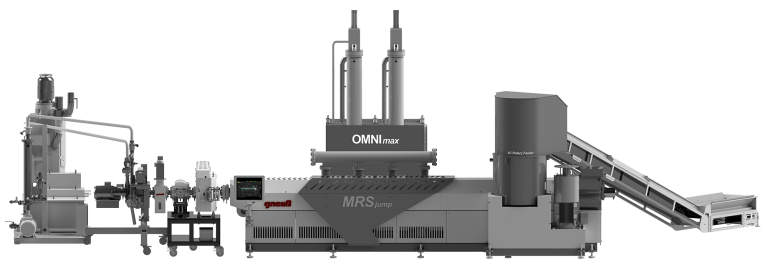
The OMNImax Recycling Machine processes industrial and post-consumer waste from all kinds of polymers and in all forms and shapes. It includes a 3C Rotary Feeder, an
MRSjump extruder, a fully automatic melt filtration system RSFgenius and an online viscometer VIS.

3C Rotary Feeder

The newly developed 3C Rotary Feeder makes it possible to use low bulk density materials without any external processing steps. A conveyor belt feeds shredded reclaim material into the hopper, where a fast-rotating disc with knives cuts, compacts and pre-conditions the material. The knives add energy into the material and start the heating and degassing process before the material is automatically fed into the MRSjump extruder.

MRSjump

The MRS extruder is based on conventional single screw technology but is equipped with a multiple screw section for devolatilization. It enables very efficient and gentle decontamination of PET, whilst achieving the requirements for direct food contact standards. The MRS extruder permits the processing of R-PET directly into high quality end products such as packaging sheet, strapping tape or filaments without pre-drying by using a simple and rugged vacuum system. This is achieved by means of its unique and patented processing section. The Multi Rotation Section is a drum containing multiple satellite single screws, driven by a ring gear and pinion transmission.

The satellite screws rotate in the opposite direction to the main screw. This disproportionately increases the surface exchange of the polymer melt. A large opening for venting, exposing the full length of the satellite screws, is completely under vacuum. This provides excellent and unrestricted access to the polymer melt, the surface of which is constantly replaced at an extremely high rate by the action of the satellite screws in the multiple screw section. The surface area – and the surface area exchange rate – available for devolatilization are far greater than in other extrusion systems. As the thermal and mechanical stress on the polymer melt is minimized, PET processed on the MRS extruder has excellent optical and mechanical properties.

The new MRSjump has a longer, modified version of the Multi Rotation Section, which ensures both a longer residence time of the material and more surface area exchange under vacuum. The longer Multi Rotation Section, coupled with a powerful vacuum system operating at 1 mbar, can be used to boost the viscosity of R-PET and to hold it at a stable level in spite of variations in the input material. Therefore, there is no need for any liquid phase (LSP) or solid state polymerization (SSP). With the stabilization and/or increase of the intrinsic viscosity in the extrusion process, the MRSjump is especially well suited to recycling e.g. PET film waste or fiber reclaim – applications for which direct recycling with one single extrusion step was previously impossible due to low intrinsic viscosity or variable input viscosities. In combination with Gneuss’ Rotary Filtration Technology, a high melt purity is guaranteed. Quality assurance can be provided with an online viscometer VIS for measuring melt viscosity.

As demand for PET bottle flakes outpaces supply and processors are looking for alternative feedstock (e.g. to fullfil recycled content mandates) the MRSjump offers an excellent solution for PET thermoform, film or fiber recycling, while the newly developed MRS cutter compactor makes it possible to use low bulk density materials.

OMNIboost Recycling Machine including polyreactor JUMP

The OMNIboost Recycling Machine with an polyreactor JUMP processes PET waste, whether form from industry or postconsumer, directly into high-quality products. The integrated JUMP can lift the IV value of a PET melt up to 0.95 dl/g.

In the JUMP the polymer passes over several slow turning elements which create a polymer film, the surface of which is constantly renewed. The reactor vessel is kept under vacuum, through which volatile substances are reliably removed. By regulating the residence time in the reactor, the vacuum, the fill level and the speed of rotation of the agitating devices, the polycondensation reaction can be altered to achieve the required product properties. The JUMP is a robust and reliable liquid state polycondensation system (LSP) and a compact, quick and efficient alternative to conventional solid state systems (SSP). It enables direct reintroduction of the polymer into the production process without the need to remelt the PET.


OMNIboost Recycling Machine with JUMP polyreactor, MRS Extrusion System, Rotary Filtration Systems and 3C Rotary Feeder.


Gneuss Filtration Technology

Tailor-made retrofits of pressure- and process-constant Rotary Filtration Systems

The continuous Rotary Filtration Systems are characterized by a filter disk on which the screen cavities are located in a ring pattern. Screens can be changed on the part of the filter disk that is not active in the melt channel, while the production process continues to run without any interruptions or disturbances.

Gneuss’ top model, the RSFgenius, operates with an integrated back-flushing system offering self-cleaning for very demanding applications and highest quality requirements. Screens can be automatically re-used up to 400 times and filtration finenesses below 10 microns/1200 mesh are available.

Retrofitting a fully-automatic RSFgenius to an existing extrusion line, whether in a pelletizing, sheet, fiber or pipe application, permits the use of more contaminated (and often cheaper) material and/or the use of finer screens. Every retrofit is tailor-made and usually without the need to move any existing equipment.


Patented Rotary Filtration System RSFgenius.


Gneuss Measurement Technology

Measuring Technology for Extrusion – Flexible, Fast, Safe, Digital

Gneuss provides flexible sensor solutions for pressure and temperature measurements, individually tailored to your application. Abrasion, corrosion, temperature, Gneuss offers the right solution for every challenge.

Gneuss delivers fast. Whether standard sensor or application-specific customized solution. The flexible manufacturing structure allows shortest delivery times.

Gneuss creates safety. In addition to standard-compliant pressure monitoring, Gneuss offers the necessary quality assurance of the measuring equipment.

Gneuss is digital. The latest generation of Gneuss sensors and pressure monitors communicates completely digitally. Integrated RFID chips for digital gauge monitoring are available for all sensor models.


Gneuss sensors with digital gauge monitoring.


www.gneuss.com


#modernplasticsindia #plasticmagazine #indianmagazine #indianplasticmagazine #modernplasticsaward #ginujoseph #modernplastic #plasticindia #plasticnews #plasticrecycling #modernplasticsglobalnetwork #modernglobalnetwok #modernplasticsaward2022 #PlasticIndustry#gneuss

How Bry-Air is Alleviating Cancer Risks With Energy-Efficient PET Drying

How Bry-Air is Alleviating Cancer Risks With Energy-Efficient PET Drying

The Indian plastic industry is a major contributor to the country’s economy. Coming with a wide range of benefits, plastics find application across diverse industries for their sheer versatility and flexibility. Though it is lightweight, it is inherently highly resistant that is well complemented with high impact strength at the same time. As a result, from automobile to food packaging, healthcare, electrical & electronics, building & construction, wire & cable, etc. almost all industries are seeking plastics for various reasons.

Rakesh Chandra Jha, Assistant Vice President, Bry-Air

Owing to the increasing utilization of plastic, between April – September 2022, the Indian plastic export stood at US $6.38 billion, and aims to increase the plastic export to reach US $25 billion by 2025. Also, the domestic consumption of plastics too is at its peak, rising year on year. It has grown by 23% and is expected to reach 22 million MT in 2022-23. Hence, it is important more than ever to manufacture plastics of the highest quality that conforms to industry standards for multiple reasons. Plastic processing is a complex process and the industry is continuously on the lookout for energy-efficient and cost-effective solutions. The inability to conduct efficient drying can lead to splash, silver streaking, voids, blisters, gas bubbles, haziness in the final product. Along with this, plastic can also lose its tensile strength and compromise the structure of the product. Similar, is the case in PET drying, a popular form of plastics and having high affinity towards moisture. Drying of PET is one of the most critical steps to ensure superior quality of moulded products.

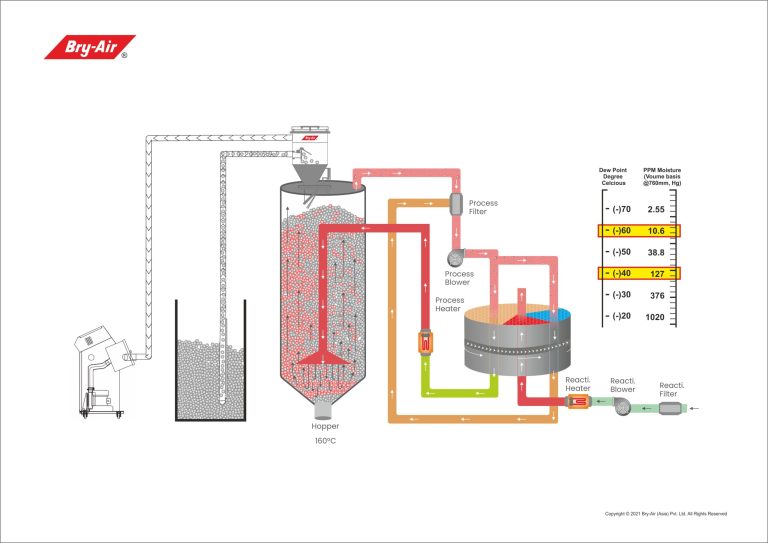
As per the current practice, PET drying is carried out at 160°C temperature with -40° dew point for a residual time of 5-6 hours. Normally, the return air temperature from material drying hopper is 70°C to 80°C. Here, it is important to note that the return air coming out of the hopper needs to be cooled down to achieve a temperature below 45°C for entering the desiccant drying system (honeycomb rotor/ drum). In case the temperature is more than 45°C, it will impact the effectiveness of adsorption. Hence, a cooling coil is installed to compensate the heat. On the other hand, as the material requires a temperature of 160°C, there is a need to add extra energy to the dry air coming out of the desiccant system. This indicates a supply of added energy at both the levels.

Coming with extensive knowledge and continual R&D in desiccant dehumidification and adsorption technologies, Bry-Air Green DrySmart (GDS) delivers same performance of -40°C even at a incoming air temperature of 70°C. Meticulously designed to level up the ‘art of drying,’ it comes with waterless drying ability that is well complemented with honeycomb rotor technology to make it energy-efficient. In the process, it eliminates the use of a cooling coil required to reduce the temperature coming out of the chamber.

At the same time, the air leaving the desiccant rotor is substantially at a higher temperature than that of the air acquired through traditional drying, it requires less amount of energy to reach 160°C. A total of 40% of drying process energy is saved in the whole process.

If the Indian Plastics industry implements the above said desiccant drying process, we can cumulatively save around INR 40 lakh kW energy every year against the 22 lakh metric tons of PET being manufactured annually. This translates to a notional saving of approximately INR 3.2 crore annually for the Indian PET processing industry. Hence, it is the need of the hour that the industry incorporates a coherent PET drying process for ensuring process excellency and optimize manufacturing.

The other important reason for deploying this process is to minimize the formation of acetaldehyde. In the testing process of acetaldehyde in PET, 1 mg of chipped/ peeled PET is heated at 150°C for a duration of 15 minutes which triggers VOC gases and a attached unit of gas chromatography senses the level of acetaldehyde. This chemical is a potential health hazard with the ability to cause cancer. In many countries, maintaining acetaldehyde below the maximum permissible limit is followed very strictly.

If a cooling coil is added to the Bry-Air Green DrySmart (GDS) Dryer, it acts as a Super Dryer, delivers 12 times improved dry air by achieving -60°C dew point. Therefore, the GDS enables a PET processor to select either an energy efficient dryer or opt for a Super dryer and dry their PET at 135°C for a residual time of 3-3.5 hours only thereby reducing the formation of acetaldehyde.

As PET plastics are invariably used in both the primary and secondary packaging, mainly used for water bottles, aerated beverages, juices, liquor, PET aluminum lid cans, jars, trays, etc. installing Super Dryer can keep the level of acetaldehyde within safe limits, making it suitable for safe consumption. Hence, efficient PET drying is the way forward for a resilient product as well as the industry at the same time.


www.grapesdigital.com

#modernplasticsindia #plasticmagazine #indianmagazine #indianplasticmagazine #modernplasticsaward #ginujoseph #modernplastic #plasticindia #plasticnews #plasticrecycling #modernplasticsglobalnetwork #modernglobalnetwok #modernplasticsaward2022 #PlasticIndustry#grapesdigital

Constantia Flexibles Announces Joint Venture in India

Constantia Flexibles Announces Joint Venture in India

Constantia Flexibles, a leading producer of flexible packaging worldwide, signed a joint venture (JV) agreement for its Indian business and operations with Premji Invest and SB Packagings. The combination will help Constantia Flexibles achieve its ambition to grow further and create value in the Indian market.

“I am very pleased to partner with SB Packagings and Premji Invest,” says Pim Vervaat, CEO of Constantia Flexibles. “I have the greatest respect for SB Packagings’ achievements and look forward to the joint venture, supported by Premji Invest, to grow the combined business profitably.”

The JV is pursuing organic as well as inorganic growth in higher added value market segments in India, continuing its strong growth trajectory in the hygiene segment whilst further developing the more sustainable mono-material EcoLam product range. With the new partners, Constantia Flexibles is able to strengthen its business in the region and various market segments. As SB Packagings is a leading player in the hygiene segment, the new partnership will help extend Constantia Flexibles’ portfolio.

The closing of the joint venture agreement is expected to be completed by the end of March, pending regulatory approvals. KPMG India acted as the exclusive financial advisor to Constantia Flexibles for the transaction.

www.cflex.com


#modernplasticsindia #plasticmagazine #indianmagazine #indianplasticmagazine #modernplasticsaward #ginujoseph #modernplastic #plasticindia #plasticnews #plasticrecycling #modernplasticsglobalnetwork #modernglobalnetwok #modernplasticsaward2022 #PlasticIndustry#cflex

Modern Plastics India Award 2023 is the Ultimate and Largest Award in The Indian Plastics Industry Recognised Veterans and Innovators

Modern Plastics India Award 2023 is the Ultimate and Largest Award in The Indian Plastics Industry Recognised Veterans and Innovators

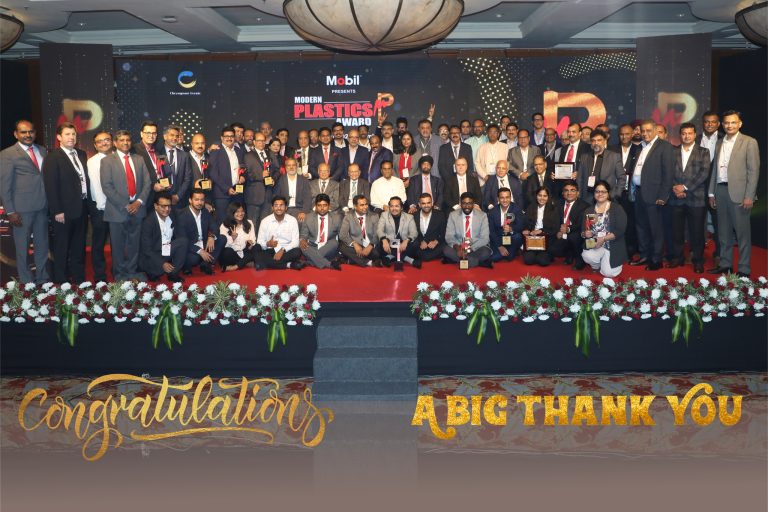
Modern Plastics India Award 2023 only award in the Indian Plastics Industry organised by Modern Plastics Global Network, it was a hunt for the top brightest entrepreneurs, innovators, and game-changers in the Plastics Sector from 300 plus categories and nearly 800 plus nomination we received as there was no charge for nominations. Celebrating the most definitive gathering of change-makers and innovators, we invited the leaders of the Industry to be the part of Inaugural Modern Plastics India Award 2023. Our international juries reviewed and evaluated 800 plus nominations and recognised 80 plus disruptive founders, funders, corporate leaders, change makers and some lifetime achievers.

Modern Plastics India, India’s No.1 plastics monthly with global reach and presence celebrating its 23 rd Anniversary planned to have this grand prize distribution ceremony to honour those who have brought the Indian plastics industry to where it is today. Many Consulate Generals and Ambassadors attend the event and given the trophy to the winners at JW Marriot, Juhu, Mumbai on 19 th January 2023 and many high profile people from the industry attend followed by cocktail and dinner. There were cultural and entertainment programs to encourages our culture in largest level. Most of the attendees appreciated the initiative and were happy to be a part of it, posting the photos on social media and waiting for next in 2024.

This spectacular event paid tribute to the great figureheads and pioneers, the entrepreneurs and the mavericks, the great manufacturers in various machine categories, the giants in the ancillary industries, the suppliers of raw materials, the top exporters and importers, and even those who interface and liaise as representatives of the world’s no.1 international brands. MPA also recognised the largest processors from Injection and Blow Moulding Extrusion, Packaging, Blown film and much more . . .

These are the ultimate awards of the plastics industry, spread over more than 300 + categories, from a magazine that has been documenting its rise, from bags to riches, and everything else. Modern Plastics India, published by Modern Plastics India which is a part of Modern Plastics Global Network, is the most referred and renowned magazine for the plastics, packaging and rubber industries in India for the past 23 years.

In fact, the name Modern Plastics India itself is synonymous with the Indian plastics industry and with global plastics activity, thanks to inputs and coverage provided by our US and German partners. Ginu Joseph, Global Group Editor and CEO of Modern Plastics Global Network is a well-known name in the plastics industry worldwide, which he has been a part of for well over 27 years. He is a member of most plastics associations and is a committee member in many of them. He dedicated his time to travelling overseas, visiting leading manufacturers and also being present at major exhibitions across the globe.

The expertise extends to an advanced team of dedicated staff members who ensured that the Modern Plastics India Awards 2023 was a resounding and thumping success, will change the way the world perceives industrial awards and install new benchmarks when evaluating the individual’s and the company’s contribution to the plastics industry, to environment, and to society!

Do not wait for long, nominate now for next edition, nominations are open for 2024 at www.modernplasticsaward.com

List of Winners on 2022 – 23 Edition

ACL-Ambica Corporation Ltd. – Largest Engineering Material Trader
Aeromec Marketing Co. Pvt. Ltd. – Largest Pipe Printing Machine
Arshad Electronics Pvt. Ltd. – Innovative Plastics Processing Ancillary Equipment
Aum Plastic Mart Pvt. Ltd. – Best Heater Manufacturer
Authentic Packaging Pvt. Ltd. – Largest Stretch Blow Moulding Machine Trader
Bai-Kakaji Polymers Pvt. Ltd. – Fastest Growing Regional PET Preform Manufacturer
Bharat Bijlee Ltd. – Innovative Motor Manufacturer
Blend Colours Pvt. Ltd. – Best Masterbatches Manufacturer
Calco Poly Technik Pvt. Ltd. – Best Engineering Plastics Manufacturer
Calco Poly Technik Pvt. Ltd. – Fastest Growing Entrepreneur MSME
Calco Poly Technik Pvt. Ltd. – Consistent in Innovation
Chemco Plastics Industries Pvt. Ltd. – Largest PET Preform Manufacturer
Coatall Films Pvt. Ltd. – Best Coated Product Manufacturer
Diyani Engineering – Best Packaging Machine Manufacturer
Dow Chemical International Pvt. Ltd. – Best Flexible Packaging Sustainable Material Supplier
Earthsoul Bio Products LLP – Pioneer Bio Plastics Company
ElectroFocus Electrical Pvt. Ltd. – Largest Exporter of Special Electrical Products
Electronica Plastic Machines Ltd. – Best Industrial Automation
ENGEL Machinery India Pvt. Ltd. – Best Energy Saving Injection Moulding Machine
ExxonMobil Lubricants Pvt. Ltd. – Best in Lubricants Business Award
Feelgood Eco-Nurture – Start Up Entrepreneur Circular Economy
Friends PolyPlast – Largest Household Product Manufacturer in Kerala
Gargi Patil – Best Student of the Year
Haitian Huayuan Machinery (India) Pvt. Ltd. – Fastest Growing Chinese Injection Moulding Machine Manufacture in India
Hasco India Pvt. Ltd. – Best Hot Runner Technology
Hasco India Pvt. Ltd. – Innovative Dies & Moulds Products
Henkel Adhesives Technologies India Pvt. Ltd. – Best Innovation Centre for Customers
Himalya Ropes LLP – Best MSME Women Entrepreneurship
Hot Mold Engineering India Pvt. Ltd. – Best Korean Hot Runner Manufacturer in India
Husky Technologies – Best Hot Runner Technology
Indian Institute of Packaging – Best Packaging Institute
(JSW) Prevision World (India) Pvt. Ltd. – Best Japanese Injection Machine Supplier
J B PlastoChem Pvt. Ltd. – Fast Growing MSME Plastics Processor
Jagmohan PlaMach Pvt. Ltd. – Largest Extrusion Blow Moulding Machine Manufacturer
Jain Irrigation Systems Ltd. – Largest Range of Irrigation Product Manufacturer
Jomar Corporation – Best Injection Blow Moulding Machine
Joyo Plastics – Fast Growing Plastics Processor
Jyoti Plastics Works Pvt. Ltd. – Largest Technical Injection Moulding Processors
Kapsun Resources Corporation – 100% Indian Made Machine
KraussMaffei Technologies India Pvt. Ltd. – European Plastics Processing Machine Supplier
Leo Precision Pvt. Ltd. – Fast Growing Rigid Packaging Mould Manufacturer
Maharashtra Maha Polyplast Pvt. Ltd. – Innovative Roto Moulding Product
Mahesh Pipe Industries – Fast Growing Regional Women Entrepreneur
Max Specialty Films Pvt. Ltd. – Best Flexible Packaging Manufacturer
Micro Plastics Pvt. Ltd. – Largest Toy Manufacturer
Milacron India Pvt. Ltd. – Largest Injection Moulding Machine Manufacturer
Milliken Chemical & Textile (India) Co. Pvt. Ltd. – Largest Additive Supplier for Polypropylene Material
Mudrika Labels Pvt. Ltd. – Best Printing Material Manufacturer
Natur Tec India Pvt. Ltd. – Best Bio Plastics Company
Nichem Solutions – Best Additives Manufactures
Pamhely Incorporation – Innovative Finished Product
Panchal Machinery – Best Extruder Gear Box Manufacturer
PIMCO Machines Pvt. Ltd. – Largest Granulators Made in India
PLEXCOUNCIL – Largest Plastics Export Promotion Organisation
Premsons Plastics Pvt. Ltd. – Largest Range Sports Bottle Manufacturer
Prince Pipes & Fittings Ltd. – Largest Plastics Processor
Rajhans Plastic Machinery Pvt. Ltd. – Best Melt Pump Manufacturer
Rudra Environmental Solution India Ltd. – Best Women Entrepreneur in Circular Economy
S & T Plastic Machines Pvt. Ltd. – Best People Management Company
Sai Extrumech Pvt. Ltd. – Fast Growing Extrusion Machine Manufacturer
Shibaura Machine India Pvt. Ltd. – Best Japanese Injection Machine Made in India
SVP Packing Industry Pvt. Ltd. – Best Performing Enterprise Award (Turnover Above 100 Crores)
Time Technoplast Ltd. – Largest Plastics Processor from India 11 Countries
Tipco Industries Ltd. – Fast Growing Eco Sustainable Product
Tirupati Technopack Pvt. Ltd. – Largest White Goods Manufacturer
Triune Exhibitors Pvt. Ltd. – Largest Private Exhibition Organiser in Plastics Industry
TTB Tooling – Fastest Growing Tooling Company
Uma Plastics Ltd. – Largest Number Chair Supplied in One Location
Vedant Joshi – Best Student of the Year
W Muller – Best Blow Moulding Head Manufacturer
Windsor Machines Ltd. – Biggest Range of Injection Moulding Machine Manufacturer
Winner Technoplast Pvt. Ltd. – Innovative Plastics Product Design
Xpro India Ltd. – Best Extrusion Processor
Yizumi Precision Machinery India Pvt. Ltd. – Fastest Growing Chinese Injection Moulding Machine Manufacture in India

Life Time Achievers Awards

Arvind Mehta Technology & Entrepreneurship Centre (AMTEC) – Contribution Towards Educations

V. V. Tikkadia – Contribution towards Hot Stamping and Pipe Printing
Vaman Bhai Parekh – Contribution Towards Plastics Processing Industry
S. V. Kabra – Contribution Towards Plastics Processing Industry
Sameer Ulhale – Innovative Idea used in Smart City Development
Nirmal Thakkar – Contribution Towards Plastics Processing Industry
M P Taparia – Contribution Towards Plastics Processing Industry
J. R. Shah – Indian Plastics Institute – Contribution Towards Education in Plastics


#modernplasticsindia #plasticmagazine #indianmagazine #indianplasticmagazine #modernplasticsaward #ginujoseph #modernplastic #plasticindia #plasticnews #plasticrecycling #modernplasticsglobalnetwork #modernglobalnetwok #modernplasticsaward2022 #PlasticIndustry

Asahi Kasei Collaborates on Development of Recycling Technology for Inexpensive, High-Quality Carbon Fiber – Enabling a Closed-Loop Recycling System for Carbon Fiber

Asahi Kasei Collaborates on Development of Recycling Technology for Inexpensive, High-Quality Carbon Fiber – Enabling a Closed-Loop Recycling System for Carbon Fiber

Asahi Kasei, a diversified Japanese multinational company, has developed a new technology for recycling carbon fiber plastic compounds together with the National Institute of Technology, Kitakyushu College and Tokyo University of Science.

Carbon fiber reinforced plastics (CFRP) are highly attractive for various industries in demanding appli-cation fields due to their unique balance of rigidity, mechanical strength and light weight – also com-pared with conventional glass fiber reinforced plastics. However, CFRPs are expensive and challeng-ing from a recycling perspective, as it is difficult to extract the carbon fibers from the resin after usage.

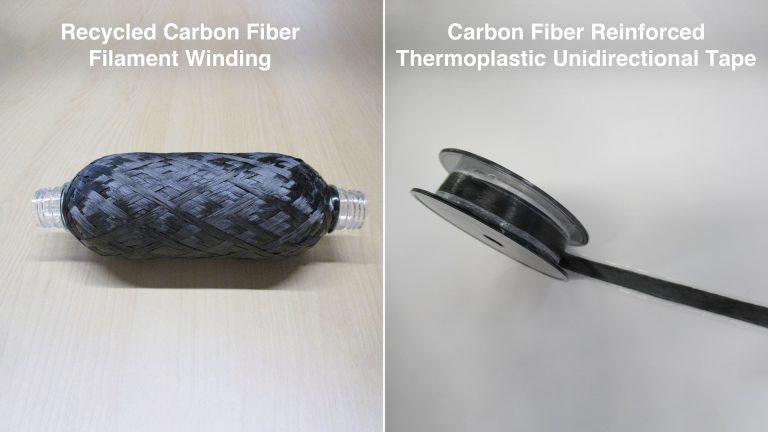
Together with its project partners at the National Institute of Technology at Kitakyushu College and the Tokyo University of Science, Asahi Kasei has developed a recycling method that allows carbon fibers to be extracted from CFRP or carbon fiber reinforced thermoplastics (CFRTP) used in automobiles. This results in high-quality, inexpensive continuous carbon fiber that can be recycled perpetually, con-tributing to circular economy. Unlike carbon fiber that is chopped up during the recycling process, Asahi Kasei’s method allows carbon fiber to be extracted from a plastic compound seamlessly, resulting in continuous strands of carbon fiber that can be reapplied in exactly the same manner while retaining properties identical to the original substance.

The conventional technologies for recycling carbon fibers by chopping and re-applying them results in a product with lower quality and less durability, insufficient for high-performance applications. To ad-dress this issue, Asahi Kasei has developed an “electrolyzed sulfuric acid solution method” that allows the carbon fiber to retain its original strength and continuous nature while fully decomposing the resin the carbon fiber is embedded in. This allows for its continued use in high-performance applications and presents an inexpensive, circular solution to the end-of-life dilemma of carbon fiber plastic compounds. Thus, these carbon fiber compounds present in vehicles for weight reduction. It can be easily and inexpensively be broken down at end-of-vehicle-life and reapplied to new vehicles in the future.

In addition, Asahi Kasei is developing a carbon fiber reinforced thermoplastic unidirectional tape (CFRTP-UD tape) that utilizes both recycled continuous carbon fiber and the company’s LeonaTM poly-amide resin. Boasting a higher strength than metal, this CFRTP-UD tape can be applied to automobile frames and bodies, further enabling the recycling of end-of-vehicle-life parts into different, new auto-mobile parts. This presents a solution to the long-term challenge that carbon fiber usage for vehicles has posed on the industry and is expected to economically benefit and strengthen carbon fiber’s usage within the automobile industry on a global scale. Moving forward, Asahi Kasei will perform demonstra-tions and develop the business, aiming for practical application around 2030.

For more information, visit www.asahi-kasei.com


#modernplasticsindia #plasticmagazine #indianmagazine #indianplasticmagazine #modernplasticsaward #ginujoseph #modernplastic #plasticindia #plasticnews #plasticrecycling #modernplasticsglobalnetwork #modernglobalnetwok #modernplasticsaward2022 #PlasticIndustry#asahikasei

Future Proof Your Workflow: Data Reviews

Future Proof Your Workflow: Data Reviews

By Erwin Busselot, Director Business Innovation & Solutions, Ricoh Graphic Communications, Ricoh Europe

We rely on data to inform client, vendor, and supplier relationships and much of the work produced in our print operations.

Data comes in a host of formats, both visible and invisible. There is the data you gather to onboard a job, and there is data generated by an application to inform personalisation and customisation. There is the data in the back office systems and in the inventory, estimating, and production systems. Data is everywhere.

Sometimes we forget that the accuracy of the data we use is not self-managing. It takes a data hygiene process to ensure data accuracy and avoid mistakes.

Your ability to automate reliably and repeatedly depends on how accurately the data you use is gathered and curated. It may enter your process manually with a team member keying it into a screen based on information provided on paper, in an email, or through a conversation.

The majority of all print jobs still arrive by email. It may also arrive in a feed from business applications, which may be passing data from other systems or generating the data. No matter how or where the data originates, setting up processes to regularly review inbound data sources, formats, and mapping between applications helps uncover data entry issues.

Identify the manual data entry points. This is the most common workflow entry point for inaccurate data. If people fill out forms to capture data, are those forms used to capture data designed to ensure accuracy?

Keying errors and misunderstandings impact processes downstream. Work toward solutions that validate entry at input to catch the most common problems. For example, an application can test data against valid ranges for page size, run length, finishing options, and paper type at order entry to avoid simple mistakes. Inventory and estimating systems can often test for valid data, too.

Identify data integration points CRM data relies on, updates from sales team members and the back office, but with so many people involved, bad data will creep in, and data that is no longer accurate will remain.

Many analysts and researchers believe that information in client databases has a high chance of being inaccurate. The team at Synthio say that 94% of B2B companies believe their client data is inaccurate. Imagine delivering a job to the wrong location or sending invoices to someone who is no longer at the client company! It happens!

If the ERP and MIS systems are integrated, there may be many data exchange points. A change in any upstream system can cause the wrong data to be passed through to the receiving processes. It can be as simple as a new product number that falls outside of the range or format expected by the receiving system.

What happens when bad data travels through the system varies widely depending on how the application programmers decide to validate it. It is fair to say that results are unpredictable and generally not accurate.

Work with your Ricoh team to evaluate your current data management processes and create a plan to optimise through regular data reviews. And join us on the next Unravel Your Print Workflow webinar on January 26.

Be sure to check out our 6 part ecosystem series for print service providers and enterprise print rooms for more information on each stage of your print production and contact us if you have any questions.

For further information, please visit www.ricoh-europe.com


#modernplasticsindia #plasticmagazine #indianmagazine #indianplasticmagazine #modernplasticsaward #ginujoseph #modernplastic #plasticindia #plasticnews #plasticrecycling #modernplasticsglobalnetwork #modernglobalnetwok #modernplasticsaward2022 #PlasticIndustry#ricoheurope