Wednesday, June 17, 2026
spot_img
Home Blog

Lindner Washtech And Srichakra Polyplast Turn Sustainability Ambitions Into Reality

0

Lindner Washtech And Srichakra Polyplast Turn Sustainability Ambitions Into Reality

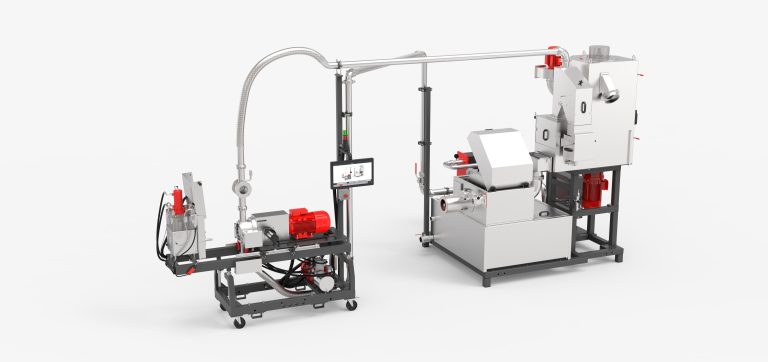
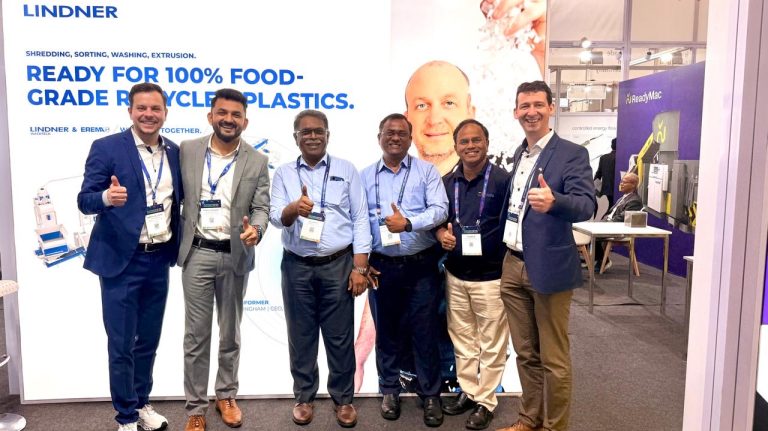
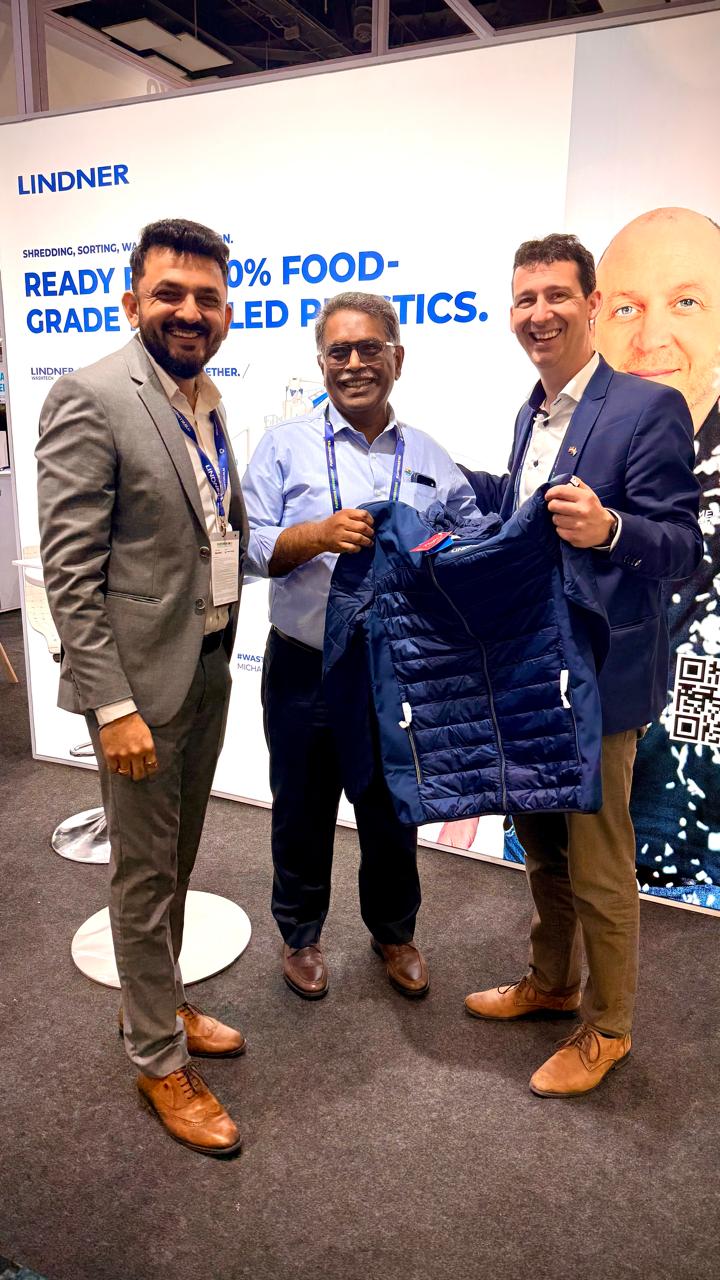
Lindner Washtech announces a new partnership with Srichakra Polyplast, one of India’s leading plastics recyclers, for the supply of two advanced washing lines for processing post-consumer recycled (PCR) film and rigid plastic waste. The investment supports Srichakra Polyplast’s continued expansion in high-quality plastics recycling and reinforces both companies’ commitment to advancing circular economy solutions. The new systems will enable the production of premium-quality recyclates for demanding applications and support the growing demand for sustainable plastic solutions in India and beyond.

Srichakra Polyplast is recognized as one of the most respected recycling companies in India and across Asia. As the operator of India’s first food-grade rPET recycling facility and one of the largest producers of food-grade rPET and rHDPE materials in the region, the company supports leading beverage and FMCG brands by collecting post-consumer packaging waste and transforming it into high-quality recycled materials. Through its integrated operations and control across the value chain, Srichakra Polyplast helps customers reduce virgin plastic consumption and achieve their sustainability targets at scale.

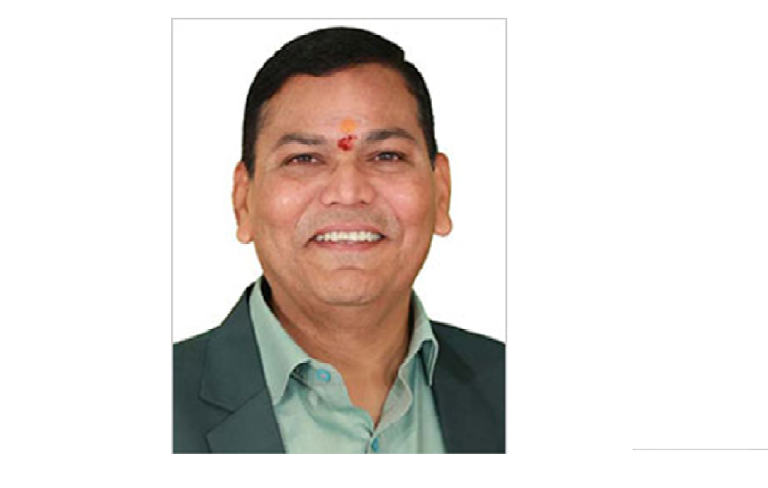
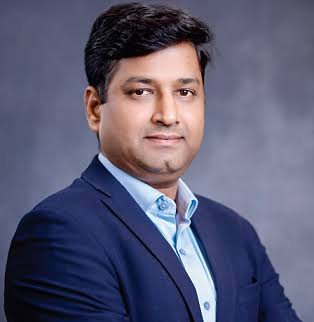
“We sincerely thank Mr. Ravindra and the entire Srichakra Polyplast team for placing their trust in Lindner Washtech. Their commitment to innovation, quality, and sustainability aligns perfectly with our vision for the future of plastics recycling. We are proud to be part of this exciting greenfield project and look forward to a long and successful partnership,” said Ganesh Karankal, Director India, Lindner Washtech.

“Choosing the right technology partner is critical for a project of this scale. After a comprehensive technical and commercial evaluation, we selected Lindner Washtech because of its outstanding technology, process expertise, and proven ability to deliver premium-quality recyclates, said Mr. Ravindra Venkata Paruchuri, Co-founder & Managing Director of Strichakra Polyplast “Their strong track record, innovative solutions, and extensive experience in advanced plastics recycling gave us the confidence that they are the right partner for our growth journey.”

An equally important factor was the strong local presence and support provided by the Lindner India team. Having experienced professionals available locally for project execution, technical assistance, and after-sales support provided additional confidence in achieving operational and quality objectives.

“As we continue to expand our recycling capabilities and support global brands with sustainable packaging solutions, we look forward to building a long-term partnership with Lindner Washtech and setting new benchmarks for high-quality recycling in India and beyond,” added Mr. Ravindra Venkata Paruchuri.

The partnership represents a significant step toward increasing the availability of high-quality recycled plastics in India and the wider Asian market. By combining Srichakra Polyplast’s recycling expertise with Lindner Washtech’s proven washing technology, both companies aim to raise industry standards for recycled material quality, operational excellence, and circular economy performance.

As a long-term technology partner, Lindner Washtech remains committed to supporting Srichakra Polyplast throughout the project lifecycle and contributing to the company’s continued growth and leadership in sustainable plastics recycling.

Lidner Washtech

Srichakra Polyplast

#LidnerWashtech#SrichakraPolyplast#modernplasticsnetwork #printmagazine #printpublication #pinterest #modernplasticsglobal #modernplasticschina

Precision Manufacturing For Consistent Pellet Perfection

Precision Manufacturing For Consistent Pellet Perfection

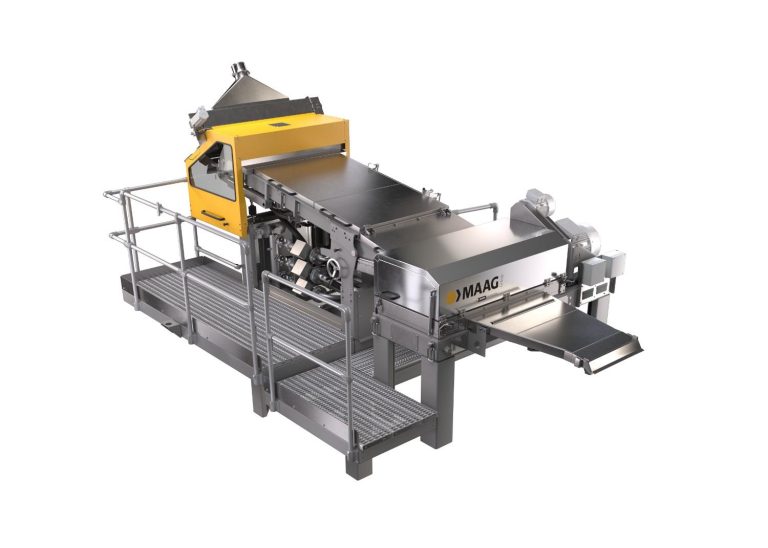
For decades, MAAG has set benchmarks in underwater strand pelletizing technology (USG). With the new M²-USG generation, the company introduces a system designed to deliver enhanced process stability, higher throughput, and consistently superior pellet quality. Design improvements combined with advanced sensor integration enable customers to achieve more reliable production and improved operational efficiency.

Focus on Reliability and Product Quality

The new development is engineered to ensure maximum system availability (>99% OEE) and highly stable production processes. Reduced downtime and minimized scrap rates help lower operating costs while improving overall plant profitability.

At the core of the system is the newly developed M²-USG cutting head, designed to simplify operation and maintenance while minimizing the risk of operator error. Maintenance procedures can largely be performed without tools, and cleaning times have been significantly reduced, allowing operators to return to production faster.

From Polymer Melt to Perfect Pellets

MAAG systems are engineered to produce uniform, cylindrical pellets with minimal fines. During the process, the polymer melt passes through a die plate, is cooled and automatically guided into the pelletizer.

Precise control of process parameters is essential. Incorrect settings can cause strand adhesion, unstable cutting conditions, and ultimately production interruptions. The M²-USG addresses these challenges with a series of targeted design optimizations, helping customers maintain stable, efficient, and sustainable production.

Mastering the Critical Startup Phase

The startup phase is often one of the most critical moments in pelletizing operations. During this stage, polymer strands must be reliably transferred into the guide system.

A newly developed scraper combines high operating speed with particularly gentle strand handling. The strands are cut sequentially at the die plate and fed into the strand guide section and the cutting head with a controlled time delay. This significantly reduces the risk of strand sticking, clogging or excessive startup waste, resulting in faster and more reliable process ramp-up.

Seamless Transition for Enhanced Stability

An optimized water film on the startup table prevents turbulence and reduces the risk of strands sticking together. In addition, transport water is injected immediately after cutting, preventing potential blockages inside the cutting head, even when processing high-temperature polymers or challenging materials such as polycarbonate.

The result is smoother machine operation, improved process stability and increased system availability for the customer.

Larger Cutting Rotor for Higher Performance

The new cutting head features a compact and optimized design with improved sound insulation. The rotor diameter has increased from 162.5 mm to 200 mm, while the number of blades has grown from 30 to 36.

This upgrade enables significantly higher throughput while extending service life by 20%. A stable cutting gap ensures consistently high pellet quality and reduces maintenance requirements and spare-part consumption further lowering operating costs.

High Capacity in a Compact Design

The M²-USG is available in machine widths of 600, 900, and 1200 mm. At 600 mm width, the system achieves throughputs of up to 13,000 kg/h (PET), while the 1200 mm version reaches up to 24,000 kg/h – significantly exceeding the performance of previous models.

This higher capacity allows processors to achieve the same output with smaller machine sizes, reducing both capital investment and installation footprint.

Integrated Sensors for Maximum Efficiency

Integrated sensors continuously monitor key parameters such as vibration, temperature, flow rates, and pressure to ensure an optimal production at the sweet spot. Any deviations are immediately detected and reported, also via remote monitoring, helping operators prevent process instability and scrap.

A camera system monitors strand flow, while compressed air consumption is also tracked. In addition, energy-efficient reluctance motors contribute to lower energy consumption and improved sustainability.

Conclusion

With its advanced engineering, improved process stability, and outstanding pellet quality, the new M²-USG sets a new benchmark in underwater pelletizing.

Customers benefit from reduced operating costs, higher throughput, improved efficiency, and integrated sensor technology that ensures maximum process reliability.

In short: The M²-USG demonstrates that even a proven pelletizing system can still be significantly optimized.

MAAG

#MAAG#modernplasticsnetwork #printmagazine #printpublication #pinterest #modernplasticsglobal #modernplasticschina

Nano101 – Transforming Materials Through Layered Technology

Nano101 – Transforming Materials Through Layered Technology

Building on the success of previous generations of SmartCast stretch film lines, SML has now developed the fourth generation of the SmartCast Infinity, equipped with the latest advancements: a newly developed nanolayer feedblock for 101 layers.

Nanolayer technology is an advanced technology in stretch film production to improve film quality and wrapping application. Nano-layered film gives stretch film incredible performance despite its thickness. While Nano67 is already an established technology for high-end applications on the market, SML now pushes this technology further.

 What makes Nano101 unique?

In close collaboration with Cloeren and drawing on the vast experience and learnings of Nano67, we developed a truly unique piece of equipment. The new nanolayer feedblock was custom-engineered to meet highest requirements. This design differs from every previous solution in three key ways:

  • 101 layers – the highest number count ever achieved in stretch film
  • Highest percentage of nano-structured film in the total film
  • Highest number of extruders – the nanolayer feedblock is fed by eight extruders

 Overall, these features offer higher flexibility to influence film properties. “Nano101 lets us combine a wider range of functional materials, in different sequences and at lower percentages. While the stretch films produced on our machinery already exceed the market requirements for elongation, Nano101 ,” explains Thomas Rauscher, Product Manager at SML.

With Nano101, SML now offers two innovative nanolayer technologies as standard: the time-proven Nano67 and the brand-new Nano101!

SML 

#SML#Nano101#modernplasticsnetwork #printmagazine #printpublication #pinterest #modernplasticsglobal #modernplasticschina

Molecor Leads Microplastics Prevention to Protect the Oceans

Molecor Leads Microplastics Prevention to Protect the Oceans

On the occasion of World Oceans Day, celebrated every June 8, Molecor reaffirms its commitment to ocean protection through the responsible management of microplastic waste generated by its operations. This commitment is driven by the consolidation of the voluntary Operation Clean Sweep (OCS) program across all its production facilities in Spain, an approach that strengthens prevention at the source.

The company continues to hold OCS Europe certification at all its plants and remains a benchmark in the sector for preventing unintentional losses to the environment. During 2025, Molecor further strengthened its environmental and ecosystem protection

Technical Manual TOM PVC-O pipes

practices, achieving a 10.3% reduction in the microplastic waste generated and significantly improving the control of potential losses to the environment. This progress is supported by the continuous optimization of operational processes and procedures, together with the implementation of increasingly effective preventive and mitigation measures throughout the entire production process.

As part of this commitment, the company has advanced the digitalization of its monitoring and control system, incorporating tools that enhance traceability and improve response capacity to any potential risks. In addition, Molecor continues to promote specialized training for its teams on best practices in handling materials, loss prevention, and incident response, as well as awareness-raising initiatives aimed at fostering a corporate culture based on prevention and continuous improvement.

Molecor Leads Microplastics Prevention to Protect the OceansThe organization’s commitment to preventing microplastic pollution has led the company to place particular emphasis on the implementation and certification of the Operation Clean Sweep (OCS) program. Thanks to this approach, Molecor has anticipated new European legislative requirements in this field, such as the REACH restriction established under Regulation (EU) 2023/2055 on intentionally added microplastics and Regulation (EU) 2025/2365 on the prevention of plastic pellet losses to the environment, strengthening its position as a leading company in the sector. This proactive stance enables the company to address key requirements in advance, including loss prevention, operational control, risk assessment at critical points, and staff training throughout the value chain. Molecor stands out for applying advanced methodologies such as Bowtie analysis for loss estimation, anticipating future harmonized calculation requirements and reinforcing the control of microplastic emissions into the environment.

Overall, this approach strengthens Molecor’s contribution to the Sustainable Development Goals, particularly SDG 14 “Life Below Water” and SDG 15 “Life on Land,” demonstrating a firm and sustained commitment to ocean protection. In this way, the company positions itself not only as an industrial benchmark within the sector but also as an active player in the fight against microplastic pollution, promoting solutions that contribute to the long-term preservation of ecosystems.

molecor

#molecor#printmagazine #printpublication #pinterest #modernplasticsglobal #modernplasticschina

ENGEL Highlights The Benefits Of AI And Advanced Processing Technologies At Plast 2026

ENGEL Highlights The Benefits Of AI And Advanced Processing Technologies At Plast 2026

At Plast 2026, ENGEL presents innovation as a dialogue with industry: not only technologies, but an integrated ecosystem of solutions, digital assistants, AI-based systems and automation designed to deliver value, efficiency and quality across manufacturing processes. For injection moulders, this means solutions that help stabilise production, reduce scrap, make better use of available resources and improve cost efficiency across a broad range of applications.

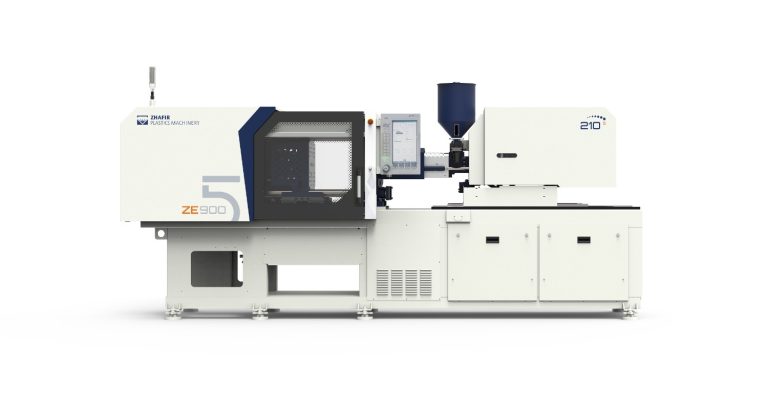
The WINTEC t-win 5500 two-platen injection moulding machine with integrated viper 40 robot will produce transparent PP crates weighing 232 grams, with a cycle time of 11-12 seconds, demonstrating high-output production with reliable automation and competitive unit costs.

Today, in injection moulding, the real challenge is no longer just to produce, but to do so efficiently, while maintaining consistent quality and full cost control, even in the presence of increasingly complex variables. From automotive to medical, from packaging to technical moulding, companies are seeking solutions capable of transforming this complexity into measurable results. In this context, for ENGEL, innovation goes beyond technology: it becomes a language, a way to interpret industry needs and engage with an ever-evolving production environment to create tangible added value.

With this approach, ENGEL is showcasing at Plast 2026 a coherent pathway that brings together vision, application and accessibility to technology.

An ecosystem taking shape: the Expert Corner “Your Industry. Our Solutions”

Automated handling in the mould area: precise process steps directly in the injection mould.

At the heart of the booth, the Expert Corner “Your Industry. Our Solutions” embodies the synthesis of this approach. ENGEL’s technological offering takes the form of a broad and multifaceted ecosystem, one that cannot be fully represented within the confines of a trade show. From this awareness comes a space that goes beyond the traditional exhibition concept, positioning itself instead as a guided gateway to expertise, applications and production scenarios.

Through a focused selection of real cases and application configurations, visitors are taken inside the processes, gaining a clear understanding of how machines, automation and digital intelligence interact to deliver consistent and measurable results. For processors, the Expert Corner provides direct access to application know-how that can be transferred to their own production environment, helping them identify suitable production solutions, automation strategies and digital tools for improving efficiency, quality and process stability. One key principle stands out: value does not lie in individual technologies, but in the ability to orchestrate them with a clear focus on outcomes. This is where innovation becomes a method, and method ultimately drives performance.

Advanced process control: the role of intelligent assistants

Within this technological ecosystem, process control is one of the areas where innovation takes its most tangible form. Every project shown in the Expert Corner is built on an integrated optimization approach that involves the entire production system, from plant design through to the dynamic management of process parameters, entrusted to the digital assistants within the inject AI framework.

Digitalisation thus becomes a true enabler, simplifying machine operation while at the same time extending its performance capabilities. Intelligent assistants act directly and automatically on the process. iQ weight control helps maintain consistent part quality by compensating for material and viscosity fluctuations within the same shot, which can lead to 85% less weight dispersion. iQ clamp control automatically optimises clamping force, reducing energy consumption by up to 10% in force build-up and protecting the mould. iQ flow control stabilises mould temperature control, supporting reproducible thermal conditions and achieving energy savings of up to 18% in production.

They are complemented by iQ process observer, which analyzes more than 1,000 parameters, detects deviations in real time and recommends corrective actions which helps avoid scrap. A system that does not simply react but anticipates critical issues and proactively supports operational decision-making.

The most advanced expression of this philosophy is the first autonomous injection moulding machine, already unveiled at K 2025 and now on display at Plast 2026.

Artificial intelligence drives the process

Injection moulding cell with tie-bar-less ENGEL victory and easix six-axis robot – basis of the fully automated production solution for thermoplastic composite rotor blades (front view).

Based on an all-electric e-mac 80, the autonomous production cell marks a significant step forward: the system no longer simply provides support, but actively governs the process, adapting in real time to changing production conditions. Further enhancing the effectiveness and responsiveness of human–machine interaction is ENGEL Virtual Assistant (EVA), an AI-based digital assistant that supports process engineers and operators at every stage of their work. EVA recommends the appropriate actions, provides step-by-step troubleshooting guidance and enables immediate access to technical information. For production teams, this means faster troubleshooting, shorter downtimes and easier access to expert knowledge, particularly when experienced personnel are not immediately available on the shopfloor. It is not just a chatbot, but an extension of expertise, knowledge made accessible, instant and shared.

Within this framework, injection moulding evolves from a process requiring constant monitoring into a self-regulating system. The operator defines the quality requirements, while the machine automatically adjusts the parameters to ensure they are consistently met, reducing scrap, energy consumption and set-up times. The result is a new balance between human expertise and digital intelligence, where resources can focus on higher value-added activities.

From technology to first-hand experience

Experiencing this transformation live means fully understanding what injection moulding can achieve today. For this reason, at the booth, an ENGEL Italy Master Trainer will host scheduled sessions as well as tailored one-to-one meetings dedicated to the digital assistants of the inject AI framework, offering the opportunity to explore applications in depth, discuss real-world cases and discover how to immediately translate these advantages into their own production environment. This gives visitors a practical basis for assessing where digital assistance can reduce operator workload, improve process stability or support faster troubleshooting in their own plants.

High-tech cell for lightweight design

Within the booth, the innovation pathway is further demonstrated through two fully automated production cells, designed to translate the principles outlined so far into concrete applications. The first one is dedicated to lightweight design, featuring a system for manufacturing rotor blades for drones made of thermoplastic composites using tape-sandwich technology. This application brings together several key aspects: the production of high-performance components, integrated noise reduction and sustainability. Life cycle analyses have demonstrated a significant reduction in CO₂ footprint compared to conventional processes based on thermoset materials. The NeoBlade project is funded by the Federal Ministry for Innovation, Mobility and Infrastructure as part of the RTI programme ‘Take Off’ and is administered by the Austrian Research Promotion Agency (FFG).

At the core of the system is a tie-bar-less ENGEL victory 120 injection moulding machine, with a clamping force of 1,200 kN, equipped with an easix articulated arm robot. The robot manages all production steps in a continuous in-mould cycle through to the extraction of the near-net-shape part. At the heart of the process is a structural sandwich design consisting of carbon-fibre-reinforced thermoplastic tapes and an injection-moulded short-fibre compound.

Rotor blades for drones made of carbon-fibre-reinforced composite, produced using tape-sandwich injection moulding technology.

The tapes form the load-bearing outer layers of the rotor blade and are positioned precisely in the mould and secured using vacuum fixation. This allows the reinforcements to be aligned exactly along the load paths – material is used only where it is needed for structural performance. In the next step, the core material made of a short-fibre thermoplastic is injected between the pre-positioned tapes and bonded to the outer layers to form a near-net-shape component structure. To further increase the lightweight potential, the core is foamed chemically, reducing component weight while maintaining structural performance. The result is a lightweight yet highly durable rotor blade in which shaping, structural function, noise-reduction and material bonding are realised in an automated cycle, eliminating the need for secondary machining operations.

The tie-bar-less design of the ENGEL victory improves accessibility in the mould area, simplifies the integration of automation and, in many cases, it is possible to choose a smaller machine size, which helps keep investment costs down. The optimised automation access enables cycle times of less than 60 seconds per rotor blade in this production solution.

A scalable technology

Alongside the drone propeller blades, another component produced using tape-sandwich technology is featured: a cover for high-voltage automotive batteries made of flame-retardant thermoplastic material, measuring 1.3 × 1.8 metres. Selected as a finalist for the JEC World Innovation Awards 2026, this application confirms the scalability of the process, which can be extended from small-sized components to large-format structural parts. For injection moulders, this opens the potential to manufacture large, lightweight functional components in an automated process, combining structural performance, flame-retardant material properties and efficient series production.

Cost-effective technology

At Plast, visitors will be able to test the performance of the ENGEL autonomous production cell live through dedicated sessions and one-to-one meetings with an ENGEL Italy Master Trainer.

Completing the exhibition area is a WINTEC t-win 5500 with a clamping force of 5,500 kN, equipped with an ENGEL viper 40 linear robot and a single-cavity mould developed by S.C.S. Società Costruzione Stampi (Monsano, Ancona). The machine produces transparent crates in Borealis RJ378MO random polypropylene, with a part weight of 232 grams in a cycle time of approximately 11-12 seconds. The application demonstrates how a standardised two-platen machine concept, short cycle times and integrated automation can support high output and competitive unit costs in packaging and logistics applications.

With this application, the ENGEL Group highlights another dimension of its portfolio: pragmatism and accessibility. WINTEC machines are designed to meet the requirements of a market demanding high competitiveness without compromising reliability and precision. The key strength lies in the balance between standardisation and performance: a robust, optimised engineering platform that translates technological complexity into operational simplicity and production efficiency. For processors, this means production solutions with reliable technology, straightforward operation and a favourable cost-performance ratio, especially where high-volume production requires stable output, short cycles and consistent part quality.

The future is not something you wait for: it’s something you build

Today, as the industry enters a new era of digitalisation and artificial intelligence, ENGEL reaffirms its role as a pioneer. From advanced process technologies to WINTEC machines, from software solutions to data utilisation, every element contributes to transforming manufacturing into a more stable, more efficient and more transparent production environment. For processors, the focus is on practical improvements: lower scrap rates, shorter set-up and troubleshooting times, more consistent part quality and better control over production costs.

For ENGEL, innovation is not merely a response to current needs. It is the ability to anticipate scenarios, interpret change and create the conditions for it to happen. A journey that evolves with consistency and vision and that finds its expression in the combination of engineering expertise, technological evolution, and industrial culture

engelglobal.com/

#engelglobal #pinterest #GenZGrowth #DigitalGrowth #InvestorUpdate 
#printpublication #printmagazine #modernplasticschina

Successful Interpack Showcase Reinforces W&H And GARANT Market Presence

Successful Interpack Showcase Reinforces W&H And GARANT Market Presence

Interpack has once again confirmed its role as a key platform for international exchange in the packaging industry, concluding successfully for Windmöller & Hölscher (W&H) and its subsidiary GARANT Maschinenhandel (GARANT).

The international trade fair for packaging, dosing, processing, and logistics took place in Düsseldorf from May 7-13, 2026. The booth was very well attended on almost all days, providing ideal conditions for in-depth discussions with customers and partners from around the world. The focus was clearly on personal interactions and direct dialogue: existing relationships were further strengthened, and new contacts were established.

“interpack was, above all, a place for exchange and personal encounters this year,” summarizes Nicolai Bisgaard, Sales Director Asia Pacific at Windmöller & Hölscher. “Our discussions with customers once again highlighted how important close partnerships are to successfully address the challenges facing the industry together.”

A particular added value for international visitor groups was the proximity to the W&H and GARANT headquarters. Many took the opportunity to gain a comprehensive impression of the companies’ capabilities and offerings on site.

Sustainability played a central role in many conversations. A large proportion of customers showed strong interest in solutions that enable more sustainable packaging production. Efficiency, design for recycling (mono-material solutions),and the use of recycled materials were key topics in making packaging future-proof, especially in the context of European and global legislation.

A common starting point for these discussions was the W&H “supermarket shelf,” which showcased a collection of international MDO-PE packaging solutions. Efficiently and industrially produced by W&H customers worldwide. In addition to these proven mono-material packaging solutions, the display featured a wide range of sample packaging for various applications, including paper-based solutions with and without barriers, mono-material packaging with and without barriers, and packaging solutions incorporating PCR.

Solutions for paper-based packaging, as offered by the W&H subsidiary GARANT Maschinen, also attracted strong interest among visitors. In particular, applications in e-commerce, such as padded paper shipping and return mailers were identified as a growing market. In connection with the trade show, visitors also had the opportunity to take a closer look at automation solutions during the GARANT Open House in Lengerich. The focus here was on integrated processes, from bag making to end-of-line automation and palletizing.

With many new impulses and strengthened partnerships, W&H and GARANT now look ahead to the coming months, continuing to rely on innovation, collaboration, and close customer relationships as key success factors.

wh.group/de/

#wh.group #pinterest #GenZGrowth #DigitalGrowth #InvestorUpdate 
#printpublication #printmagazine #modernplasticschina

New China-Based TPU Development Center Unveiled By Covestro

0

New China-Based TPU Development Center Unveiled By Covestro

  • Three-site network now complete: AD Center in Guangzhou, production in Zhuhai, and R&D in Changhua – driving integrated regional synergies
  • Strategically located near key industry clusters in consumer electronics, automotive, footwear, PPF and specialty extrusion
  • Co-located Engineering Plastics and Specialty Films teams bring compounding, color and film capabilities for customers

Covestro today officially opened its new Thermoplastic Polyurethanes (TPU) Application Development (AD) Center in Guangzhou, China. The opening marks a significant milestone in implementing the company’s strategy to bring innovation closer to customers across Asia-Pacific. The new AD Center complements the company’s soon-to-be largest global TPU production site in Zhuhai, which began operations earlier this year, and its existing regional R&D center in Changhua. Together, the three sites form an integrated network spanning R&D, application development and large-scale manufacturing.

The Asia-Pacific TPU market, particularly in South China, continues to see strong demand from fast-growing sectors such as consumer electronics, automotive and specialty films. The Guangzhou AD Center strengthens the company’s ability to translate this demand into tailored material solutions through closer technical collaboration with customers.

“This new Application Development Center represents a strategic cornerstone in our global TPU strategy to grow in high-value and emerging segments in Asia-Pacific,” said Dr. Andrea Maier-Richter, Global Head of TPU at Covestro. “We will explore, pilot and upscale new application fields for TPU in robotics, healthcare and mobility solutions together with our customers – in close collaboration and at the heart of the market.”

Capabilities designed for speed and precision

The center is designed to help customers move faster. Its processing simulation lines replicate real production conditions in extrusion and injection molding, enabling rapid formulation adjustments and material modification. These capabilities help reduce trial cycles, shorten time-to-market, and deliver solutions tailored to specific application needs.
“Asia is home to some of the world’s most dynamic and fast-moving industries, and our customers here expect partners who can keep pace with them. This center is our answer to that, bringing together our cross-business capabilities under one roof right here in South China,” said Holly Lei, President Covestro China. “It also reflects our deep commitment to this market and our belief that true innovation happens when you are close to your customers and the industry.”

Unlocking value through cross-business synergies

The new Covestro TPU Application Development Center in Guangzhou — designed to co-create tailored material solutions with customers at the heart of South China’s most dynamic industries.

A distinctive feature of the Guangzhou AD Center is its multi-business setup, with Engineering Plastics (EP) and Specialty Films (SF) teams co-located on the same site, enabling close collaboration and faster integration of capabilities. The EP unit brings compounding expertise and color competence, supporting in-house color matching for applications such as consumer electronics, footwear and paint protection films (PPF). The SF unit enables pilot production and finished product commissioning for high-performance films and other extrusion-based applications. This integrated approach brings together capabilities across business entities, creating added value for customers.

“Innovation at Covestro is led by our markets and always strives to combine our global strengths across the business entities for our customers,” said Dr. Christian Haessler, Head of Global Innovation TPU at Covestro. “TPU is a material for a more sustainable future, and the Guangzhou AD Center will enable the development of highly versatile and recyclable TPU material solutions in one of the most dynamic innovation ecosystems worldwide.”

The Guangzhou AD Center is now open for customer and partner collaboration across Asia-Pacific, offering end-to-end customer support from initial material consultation to pilot production and troubleshooting.

covestro.com/

#covestro #Modernplasticsindia #Pasticsnews #ModernPlasticsIndiaMagazine
#PrintPublication #injectionmouldingworld #modernplasticschina

The International Plastics Community Meets Again At Plastpol 2026

The International Plastics Community Meets Again At Plastpol 2026

15,000 visitors from Europe, Asia, and Africa, 660 exhibitors from 36 countries, hundreds of live-running machines, multi-million contracts, and a spectacular 30th anniversary celebration – the International Fair of Plastics and Rubber Processing PLASTPOL once again confirmed its position as the largest plastics industry event in Central Europe and one of the key meeting points for the global market. For four days, Kielce (Poland) became a centre of international business, technology and industrial premieres.

For many international companies, PLASTPOL remains the most important gateway to the Central and Eastern European markets. The trade fair brought together manufacturers and technology suppliers from across the globe – from Europe, Asia, and the Middle East to North and South America. Visitors from all corners of the world representing a wide range of industries attended the event, including medical, packaging, food processing, automotive, electronics, household appliances, logistics, and defence sectors. Thanks to its strategic location and rapidly growing industrial sector, Poland once again demonstrated its role as the industrial heart of this part of Europe.

The exhibition halls of Targi Kielce showcased the world’s latest technologies for plastics processing. Live demonstrations featured injection moulding machines, extrusion systems, industrial robots, fully automated production lines, and advanced recycling technologies in operation. Among the products manufactured on-site were insulin pen caps, medical autoinjector components, lunchboxes, technical industrial parts, and products made from recyclates and natural materials.

Contracts and Investments in Kielce Despite a Slowdown in the Plastics Market

This year’s PLASTPOL trade fair once again demonstrated that, despite a slowdown in the European plastics market, companies continue to invest in automation, energy-efficient technologies, and advanced production solutions. During the event, contracts were signed for machinery, production lines, and raw materials worth millions of euros.

“Customers are increasingly looking for solutions that enable predictable production management, reduce defect rates, and optimise energy and resource consumption,” said Adam Marciniak from ENGEL. This company secured orders for machines during PLASTPOL. Over the course of the trade fair, dozens of machines and complete plastics processing lines were sold.

Information on contracted equipment and new business relationships was also reported by companies such as BOLE, Plastline, Plastigo, Proplastica, Sumitomo (SHI) Demag, Bagsik, LS Mtron, Mapro, and Muehsam Industrial Solutions. Exhibitors expressed cautious optimism about the economic situation in Europe, while emphasising that continued investment in efficiency, automation, and recycling remains essential for maintaining competitiveness.

Trade fairs remain the most human place for effective business,” emphasizes Dr. Andrzej Mochoń, President of Targi Kielce. “Machines operating live demonstrate their full capabilities, while at the stands professional visitors have direct access to sales representatives, technical staff, and company management representatives. As a result, in one place they receive comprehensive information on how the technology works and can also negotiate prices.

30 years of PLASTPOL – the industry celebration

The anniversary expo was of a unique character. During the Platinum Plast Gala, companies were honoured that have shaped PLASTPOL‘s history and contributed to the development of the plastics industry since its very first editions. The “Architect of Success” statuettes were awarded to Muehsam Jan Krzysztof i Wspólnicy, Dopak, Engel, Wittmann Battenfeld, Danje Polymer, Polimarky, A. Marciniak OT, Bagsik, Proplastica, Telko, Finke Colors, KGL, Elbi, P&F Wartacz, Łukasiewicz Research Network – Institute of Polymer Materials, Sumitomo Demag, PlastLine, Asten Group, Mapro Polska, Hasco Hasenclever, Moretto Spa, Grupa Azoty, PlasticsEurope Polska Foundation, Enterio, Polish Union of Plastics Converters and Tworzywa Media.

A particularly memorable moment of the gala was the recognition of Kamil Perz, Director of the PLASTPOL trade fair, who has co-created and developed the event for 30 years. ts. The management of Targi Kielce presented him with a symbolic statuette of Atlas carrying the globe as a tribute to his contribution to the development of one of Europe’s most important plastics industry events.

Innovations awarded with Gold Medals

The gala ceremony featured the presentation of PLASTPOL Gold Medals to the most innovative products and technologies showcased at the trade show. Accolades were presented to the following companies: XALOY EUROPE for the NeXtwin tungsten carbide conical barrel solution, KOLTEX PRS for the ERFOR XR8 extruder, BMB SPA for the eKW20Pi/700 electric injection moulding machine, THERMOPLAY from the Spectrix group for solutions for waste-free lateral injection, DOPAK for supporting technological processes in industrial conditions, and BOLE EUROPE TECHNOLOGY for the technology of direct injection of long fibre reinforced thermoplastic composites.

Gold Medals were also awarded to Polish companies: MUEHSAM Rozmysłowy Dla Przemysłu [Solutions for Industry] for the stretch hood; PAWFORM for the E-DRIVE servo transmission system dedicated to driving internal thread-forming cores and sliders; and KGL for recyclable Menubox packaging made of XPP foamed polypropylene film intended for takeaway meals. Awards were also given to Plastoplan Polska, Mapro Polska, Ekochem, Ebs Ink Jet System Poland and MUEHSAM Solutions for Industry.

Knowledge, regulations and the future of the plastics market

Conferences and technical seminars addressing the sector’s long-term future are an integral pillar of the exhibition. The European premiere of the Plastics Europe report on the circular economy, along with conferences on recycling, energy efficiency, and new EU regulations for the packaging market, generated considerable interest.

A new feature of this year’s edition was the international event “Italian Polymers, Compounds & Masterbatch Solutions – Expertise Driving Innovation in Automotive”, organised jointly with Confindustria Polonia. Italian companies presented cutting-edge solutions for the automotive sector, underscoring PLASTPOL’s growing importance as a platform for international industrial cooperation.

At the PLASTPOL trade fair, representatives of exhibiting companies were also recognised in the OMNIPLAST competition for their specialist knowledge and industry expertise. The winner of this year’s edition was Monika Zuber from Sierosławski Group. Tomasz Pyrek, representing DRP Group, was the runner-up, and third place was awarded to Justyna Przęczek from Polimer Projekt.

PLASTPOL 2027 in the Targi Kielce’s new expo hall

Preparations are already underway for the next PLASTPOL trade fair, scheduled for 18–21 May 2027 – the organisers look forward to meeting you at the expo. For the first time, exhibitors will also showcase their products in the new exhibition hall at Targi Kielce, one of the largest and most modern trade fair facilities currently under construction in Central Europe. Designed to enhance exhibitor comfort, innovative product presentation, and overall trade fair efficiency, the new expo hall will offer more than 15,500 square metres of exhibition space and a height of 15 metres.

“Thanks to the new hall, we will be able to offer exhibition opportunities at an even higher, truly global standard,” emphasises Kamil Perz, Project Director.

targikielce.pl/
kielcekonferencje.pl/

#targikielce #kielcekonferencje #Modernplasticsindia #Pasticsnews #PrintPublication #injectionmouldingworld  #ModernPlasticsIndiaMagazine #modernplasticschina

Global Glass Industry To Gather At Glasstec 2026 Following Ticketshop Opening

Global Glass Industry To Gather At Glasstec 2026 Following Ticketshop Opening

From the glasstec conference to “glass technology live” to new formats such as Women in Glass: the world-leading trade fair will provide a market overview, address future issues and enable practice-oriented knowledge transfer related to the Hot Topics Decarbonisation, Circular Economy and AI & Digital Technologies.

glass technology live (gtl)

glasstec 2026 continues to pick up speed as ticket sales start: from 20 to 23 October 2026 Düsseldorf will again become the meeting point for the international glass sector. Centrestage will be solutions for the industry’s key questions of the future – from decarbonisation, circular economy, AI and digital technologies to resilient and security-critical glass solutions.

The glasstec conference 2026 will form the centrepiece of the lecture programme pooling the know-how of the international glass sector from industry, science and research.
industry, science and research.

The proven formats of the glasstec conference include the glass trends sessions, CircuClarity Two, the glass melting pot as well as the Start-Up Sessions. These will be complemented by the integrated architecture forum where renowned architects’ offices will introduce projects for building skins and structural glass applications. Launching Women in Glass glasstec 2026 will extend its offering to include a new format that creates visibility for female expertise and promotes exchange within the industry.

For the first time, the special show “secure – innovative – sustainable” will be staged in cooperation with ift Rosenheim. It will focus on resilient and security-critical glass solutions especially for critical infrastructure.

Playing a key role again will be glass technology live, considered the platform for forward-looking glass applications that presents innovations on the verge of market-readiness.

Hands-on insights will also be provided by the Handwerk Live activities of the Federal Association of Glazier Trades (BIV).

This offering is complemented by the special show glass art, which showcases the creative diversity of this material.

glasstec conference

Daniel Feische, Director of glasstec, emphasises:“glasstec 2026 not only shows what is feasible in technical terms but above all where the glass sector is headed. Our programme of accompanying events stages the decisive questions of the future – from decarbonisation and circular economy to AI and secure and resilient glass solutions. With this we provide guidance, exchange and concrete impulses for investment decisions.”

Visit glasstec 2026 in Düsseldorf from 20 to 23 October and experience how the glass industry masters tomorrow’s tasks.

glasstec.de/

#glasstec #Modernplasticsindia #Pasticsnews #ModernPlasticsIndiaMagazine
#PrintPublication #injectionmouldingworld #modernplasticschina

FIMIC Unveils Advanced RMP And FPP Solutions For Plastic Recycling

0

FIMIC Unveils Advanced RMP And FPP Solutions For Plastic Recycling

Pressure instability represents one of the main causes of inefficiency in plastics recycling, often resulting from the combination of material variability and line configuration. Variations in material quality, high contamination levels, and non-optimized process setups generate inherently unstable operating conditions.

Managing these fluctuations typically requires the use of gear pumps; however, conventional technologies are highly sensitive to contamination, limiting their effectiveness in more demanding applications. Traditional gear pumps require a pre-filtration system to prevent damage caused by contaminants and, even with such systems in place, maintenance remains frequent, leading to production downtime that can last several days over the course of a few months.

Developing efficient and economically sustainable solutions is no longer an option, but a necessity to remain competitive.

This challenge can be addressed through solutions specifically designed to handle variable feeding conditions. In this context, FIMIC – globally recognized for its expertise in self-cleaning filtration systems – introduces two new pumping technologies: the RMP – Recycling Melt Pump and the FPP – FIMIC Piston Pump.

These solutions are designed to improve the efficiency and reliability of extrusion lines processing recycled materials, with a strong focus on reduced maintenance requirements and operational continuity.

Together with the established SPA screw pump technology, these innovations expand FIMIC’s portfolio, enabling the company to respond to a wide range of process conditions and applications. This further strengthens FIMIC’s commitment to developing integrated, tailored solutions for the ever-evolving challenges of plastics recycling.

These innovations will be officially presented at PLAST 2026, in Milan, from June 9 to 12, at booth D48 D50.

RMP: stable output and precise control for more efficient recycling extrusion

The RMP (Recycling Melt Pump) ensures consistent output in applications where stability and control are essential.

Its gear pump design provides a fixed and predictable material flow, allowing the extrusion process to be decoupled from upstream and downstream fluctuations.

The system ensures a constant throughput and greater product uniformity, while enabling more precise control of the extrusion process and improved production repeatability. Its modular design also enhances operational efficiency by allowing quick maintenance interventions, reducing downtime and ensuring production continuity.

The gear module can be quickly replaced without removing the pump from the line, further minimizing downtime and simplifying maintenance operations.

FPP: a piston-based approach to improve process stability

The FPP (FIMIC Piston Pump) is designed to address the main causes of instability in extrusion processes in recycling, particularly when processing variable and contaminated materials.

Its dual-cylinder system with synchronized pistons ensures continuous and controlled pressure, even under highly variable conditions, improving the overall efficiency of the line.

This results in reduced pressure fluctuations, a more consistent material flow, and minimized pulsation effects, contributing to greater stability in downstream operations. The system also ensures reliable operation with heterogeneous or contaminated materials and allows high pressure levels to be reached without compromising process control.

Overall, the FPP enhances process stability, flow continuity, and supports more reliable production even under the most demanding recycling conditions.

A complete pump portfolio for different recycling scenarios

With the introduction of FPP and RMP technologies, FIMIC expands its portfolio by integrating different operating principles to address specific process requirements.

Each technology is designed for a defined application scenario:
• FPP for highly contaminated materials and high-pressure applications
• RMP for stable pelletizing lines with controlled contamination
SPA for simple and robust applications

FIMIC adopts a targeted approach, selecting the most suitable technology based on the process conditions and the type of material being processed.

As input materials become increasingly complex and performance expectations continue to rise, these new solutions enable improved process stability, reduced downtime, and enhanced overall production efficiency.

Supporting the evolution of plastics recycling

The launch of the RMP and FPP pumps reflects FIMIC’s ongoing commitment to innovation in plastics recycling technologies. By combining advanced melt filtration systems with specialized pumping solutions, the company continues to develop integrated technologies designed to simplify recycling processes and improve operational performance.

With these innovations, FIMIC strengthens its role in supporting recyclers worldwide in managing complex materials and transforming them into valuable resources within the circular economy.

fimic.it/

#fimic #Modernplasticsindia #Pasticsnews #ModernPlasticsIndiaMagazine
#PrintPublication #injectionmouldingworld #modernplasticschina