New Executive Team To Lead Arburg’s Polish Subsidiary
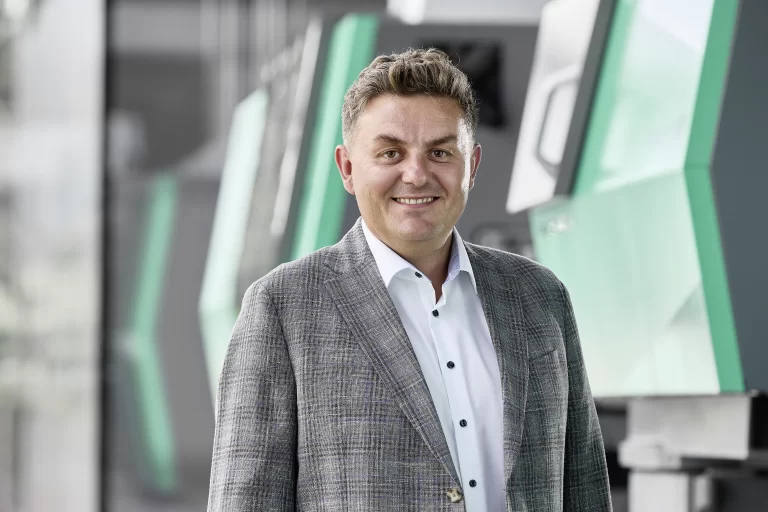
Artur Metzler: New head of Arburg Poland
Expert: Experience in sales and service
Arburg has had its own subsidiary in Poland since 1992
From 1 June 2026, Artur Metzler will take over as Managing Director of Arburg Polska Sp. z o.o. in Warsaw. This expert in sales and service has been with Arburg since 2005 and has acquired extensive knowledge of the market and customer requirements. Arburg is one of the leading suppliers of injection moulding machines in Poland and enjoys an excellent reputation in the plastics market.
“I will bring the experience I have gained at Arburg Poland to bear and, together with the fantastic team there, will do my utmost to maintain our leading position in the market and to become even more successful in the future”, explains Artur Metzler. „From standard machines such as the new and very successful Allrounder Trend machines to complex production cells complete with automation and digital networking, we offer a broad portfolio and comprehensive expertise. Our team supports small contract moulding companies just as much as large global players. ‘Wir sind da!’ (we are there) – for all our customers”.
Sales and service expert at the helm
Artur Metzler has spent his entire career to date at Arburg: In 2005, he began his apprenticeship as an industrial clerk in Lossburg. This was followed by various roles in sales and service, a two-year assignment abroad for Arburg in Eastern Europe, and a part-time degree in Business Administration.
Since June 2022, Artur Metzler has headed the Central and Eastern Europe sales group, where he has acquired extensive market knowledge. The new Managing Director of Arburg Poland is supported by a 27-strong team: He has known them for many years and, for the most part, his team comprieses long-serving, highly experienced employees.
In demand on the market: Allrounder Trend and Automation
As a provider of complete solutions, Arburg offers its customers in Poland a versatile portfolio spanning all industry sectors and their requirements. The company has had its own branch in Poland since 1992 and has grown enormously since then. By way of example, the new electric Allrounder Trend machines are currently enjoying great success on the market, representing a quick and cost-effective form of entry into the injection moulding of standard components. In initial workshops, Polish customers were able to see for themselves how quickly and easily these new standard machines can be set up, operated and maintained, and how they can be used to produce moulded parts extremely reliably, energy-efficiently and cost-effectively. ARBURG Poland also offers a high level of expertise in automation and turnkey solutions, developing highly complex systems in collaboration with the central headquarters in Lossburg.
Successful further development of Arburg Poland
Like many other countries, Poland has been affected by global crises and by the challenging economic situation. However, this national market is proving to be comparatively resilient. Thanks to its central location, good infrastructure and high technical standards, the country is developing very dynamically and is increasingly becoming an attractive location for international customers as well. “I see great potential, on the one hand, for our Allrounder Trend, but also in the medical and packaging industries, where our high-end machines and automation are in really high demand. And we also have a great deal to offer in the field of digitalisation”.
Evonik Establishes New China Lab For Advanced PEEK Rectangular Magnet Wire Solutions
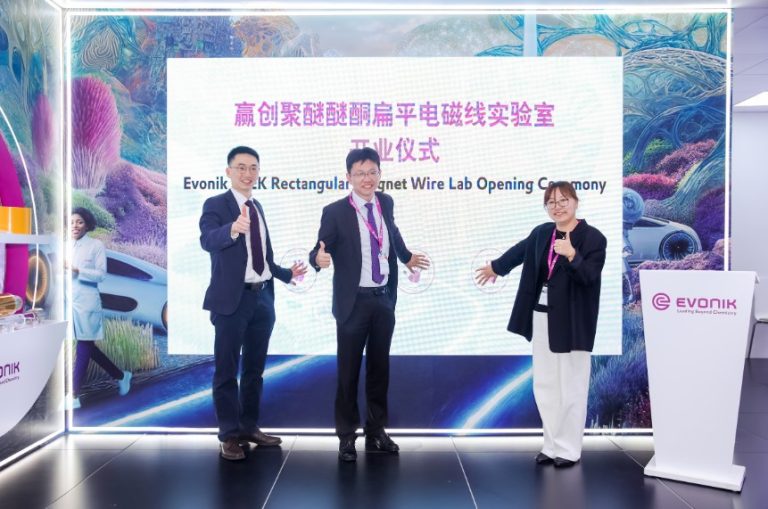
Evonik has announced the opening of its PEEK Rectangular Magnet Wire Lab during an inaugural ceremony at the CHINAPLAS international exhibition for the plastics and rubber industry.
Lab focuses on developing PEEK solutions for new energy vehicle (NEV)components
Facility to foster further collaboration with customers in new product development and qualification customers accelerate new product development and qualification NEVs are hybrid-electric or fully electric-drive vehicles, and are a growing regional and global market
Focus areas include magnet wire extrusion, research and reliability testing, and PEEK wire coating safety testing
Evonik has announced the opening of its PEEK Rectangular Magnet Wire Lab during an inaugural ceremony at the CHINAPLAS international exhibition for the plastics and rubber industry. Built to serve the needs of major Chinese and Asian markets, the lab will focus on research and innovation for polyether ether ketone (PEEK) powder-based applications for electric motors, especially for new energy vehicles , which are hybrid-electric or fully electric-drive vehicles, and constitute a growing segment of the regional and global automotive market.
“The NEV industry chain in China and across Asia Pacific is rapidly moving upmarket and globalizing, raising the bar for performance limits and delivery speed of critical materials,” said Jinhong Zhang, Vice President and General Manager of Evonik’s Asia-Pacific region, High Performance Polymers business line. “This lab will support our work with partners to advance the large-scale adoption of VESTAKEEP PEEK solutions in electric-drive systems, magnet wires, and equipment. The aim is to further develop our range of VESTAKEEP PEEK solutions to withstand even higher temperatures, higher voltages, and more demanding operating conditions—and as such, provide strong support for improved efficiency and enhanced reliability of NEV electric-drive systems.”
Among other tasks, the Evonik PEEK Rectangular Magnet Wire Lab will focus on key technical challenges in magnet wire applications, including processing-parameter optimization, coating-structure design, improved adhesion performance, and control of dimensions and concentricity. In collaboration with third-party organizations, the
lab will carry out reliability tests on key electrical properties such as breakdown voltage (BDV), partial discharge inception voltage (PDIV), corona resistance, and oilaging resistance, providing material assurance for safe, long-term operation of NEV electric-drive systems. The lab will also be used for sample preparation, validation of new PEEK formulations, and benchmarking against standard products, helping customers accelerate new product development and qualification.
As NEV drive systems evolve toward higher power density, higher efficiency, and greater reliability, magnet wires used in motors place increasingly stringent requirements on heat resistance, electrical performance, and long-term stability of insulation materials.
“By establishing this magnet wire application laboratory, Evonik lays the foundation hopes to work more closely with customers and value-chain partners,” said Felix Teng, Director of Innovation Management in Evonik’s Asia-Pacific region, High Performance Polymers business line. “Our aim is to translate the material performance advantages that VESTAKEEP PEEK has in motor magnet wire applications into full-system solutions that can be verified through testing and scaled up for mass production.”
The Evonik PEEK Rectangular Magnet Wire Lab is set up to cover the full process chain, from copper conductor pretreatment and PEEK extrusion coating to in-line dimensional inspection and final winding. Additionally, the new pilot extrusion line uses internationally leading core components and is designed and integrated locally, combining high quality and high reliability with flexibility.
RAKEZ Enhances Ras Al Khaimah’s Industrial Appeal With Strategic Collaborations
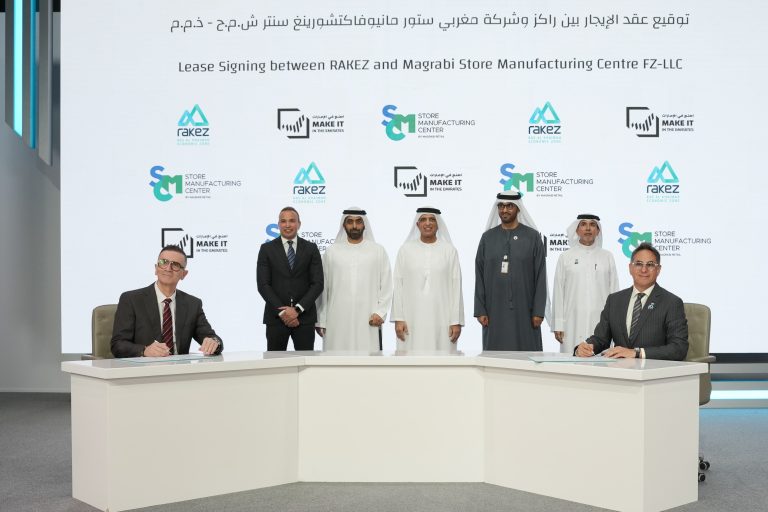
In the presence of HH Sheikh Saud bin Saqr Al Qasimi, UAE Supreme Council Member and Ruler of Ras Al Khaimah, Ras Al Khaimah Economic Zone (RAKEZ) signed two strategic agreements – with MAGRABi Retail Group and Mighty Industrial Park – during the 5th edition of Make it in the Emirates (MIITE), held at ADNEC Centre in Abu Dhabi, reinforcing the emirate’s growing position as a competitive hub for industrial investment and advanced manufacturing.
The agreements reflect increasing investor confidence in Ras Al Khaimah’s industrial ecosystem and its ability to support long-term, scalable manufacturing operations.
The first agreement, represented by MAGRABi Retail Group CEO Yasser Taher, aims to establish a Store Manufacturing Centre – a purpose-built facility dedicated to the production of furniture, store fit-outs, refurbishments, and pop-up concepts across its retail network. Designed to service up to 140 stores annually, the facility will support MAGRABi Retail’s operations across all its markets in the GCC, while creating up to 100 jobs and strengthening the company’s regional expansion and operational capabilities.
Taher said, “At MAGRABi Retail, everything we do is driven by a customer-first philosophy. This investment reinforces our long-term commitment to the Emirate of Ras Al Khaimah while enabling us to further elevate the retail experience across our growing network. By centralising the production of our store environments, we ensure that every detail reflects our dedication to quality, innovation, and client care.”
The second agreement was concluded with Mighty Industrial Park, represented by shareholder Guichun Guo, setting plans for the development of a comprehensive China-UAE industrial park. The project will focus on metal recycling, dismantling, smelting, precious metal refining, and advanced manufacturing, creating a fully-integrated ecosystem that supports sustainable industrial development and sector growth, while contributing to the advancement of circular economy practices within Ras Al Khaimah.
Guo said, “Ras Al Khaimah was chosen by Mighty Industry Park because it offers the practical conditions required for a resource-circulation industrial project to scale: industrial land, utility access, logistics connectivity and a manufacturing environment that can support recycling, refining, production, and export activities. RAKEZ provides a platform where our secondary copper recycling, refining, and copper products manufacturing operations can be developed as an integrated industrial chain rather than as a single standalone facility. With support from the relevant authorities during the establishment process, we see Ras Al Khaimah as a long-term base for building a circular-economy value chain, attracting upstream and downstream partners, and contributing to the UAE’s green manufacturing and industrial diversification goals.”
Commenting on the agreements, RAKEZ Group CEO Ramy Jallad said, “These two agreements reflect our ongoing commitment to strengthening Ras Al Khaimah’s position as a leading hub for advanced manufacturing and industrial investment in the region. By partnering with prominent companies such as MAGRABi Retail and Mighty Industrial Park, we are committed to developing an integrated industrial ecosystem that supports innovation and keeps pace with global shifts in value chains and sustainable manufacturing. At RAKEZ, we continue to provide a flexible and enabling business environment that allows investors to expand with confidence, benefit from advanced infrastructure, and access integrated services that support their long-term growth.”
In addition to these milestones, Jallad took part in a high-level panel discussion alongside leaders from the UAE’s free and economic zones. During the session, he highlighted the UAE’s strong industrial resilience, driven by alignment of efforts across federal entities and economic zones, and reinforced by practical, on-the-ground support for businesses. He noted that flexibility, close client engagement, and integrated ecosystem support have been key to maintaining continuity, while long-term investor confidence continues to be built on stability, scalability, and the ability to grow seamlessly within the same environment.
When asked about long-term commitments from global manufacturers, he said, “Certainty remains the key — enabled by a stable environment, seamless scalability within one ecosystem, and integrated access to logistics, financing, and global markets, allowing businesses to grow with confidence over the long term.”
This direction aligns closely with the UAE’s Operation 300bn strategy, with RAKEZ contributing by enabling industrial growth, attracting high-value manufacturing investments, and providing the infrastructure and ecosystem required for businesses to scale within the country.
Through its continued participation in major platforms such as MIITE, RAKEZ reinforces this role by creating an environment where businesses can grow with confidence, expand seamlessly, and navigate evolving global conditions while contributing to the UAE’s long-term industrial and economic ambitions.
Sidel Engineers Durable And Lightweight PET Oil Bottle Using Laser-Blowing Technology
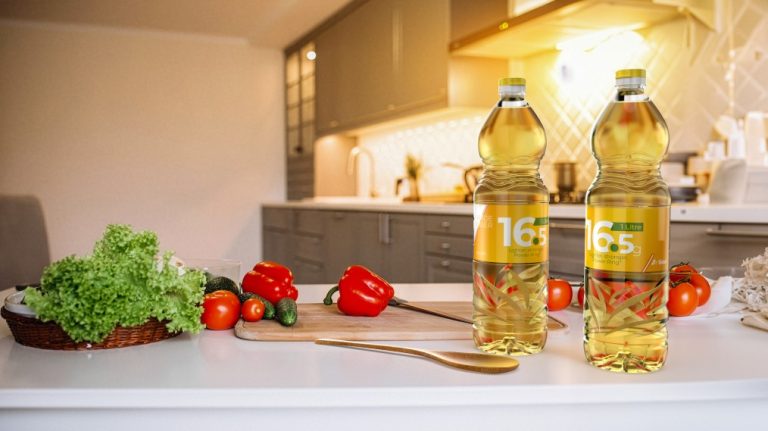
At interpack 2026, Sidel (Booth B47, Hall 13) will officially unveil a unique edible oil bottle produced using laser technology. Featuring a Power Ring, the 1L bottle achieves a 20% weight reduction compared with a halogen-blown equivalent delivering comparable overall performance, while maintaining grip in consumers’ hands and vertical strength for logistics.
This bottle illustrates a fundamental change in the design approach made possible by laser heating. PET is intentionally concentrated only where it contributes to mechanical performance, while unnecessary material is removed elsewhere. This precision allows material to be placed where it contributes most to mechanical performance.
The result is a 1L edible oil bottle weighing just 16.5g, a 4g PET saving when compared with its equivalent in halogen, which would weigh 20.5g to deliver similar performance. By reinforcing critical stress areas and avoiding unnecessary material use, this design shows how lightweighting can be extended when strength is added with purpose and not by default.
In this bottle, the Power Ring design plays a central role in consumer handling. Acting as a targeted reinforcement, it concentrates material exactly where needed to maintain side load performance during opening and pouring. From a logistics perspective, the overall material distribution ensures the bottle remains robust throughout the supply chain with a secured top load performance comparable to a heavier halogen alternative. At the same time, other areas of the container, including zones such as under the neck or on the bottle base, feature optimised stretching and a lower quantity of material.
“This 100% rPET bottle clearly shows how laser precision allows us to rethink packaging design for edible oil”, said Jerome Neveu, Packaging and Mold Product Manager at Sidel. “The Power Ring design is a concrete example of mastering exact PET distribution to optimise edible oil packaging while meeting the functional demands of this market.”
At interpack, the Power Ring laser‑blown bottle will be displayed alongside its halogen‑blown counterpart, allowing visitors to directly compare the 16.5g laser bottle with the 20.5g halogen version. Interactive displays on the Sidel stand will enable hands‑on comparison of weight and resistance.
Christina Slopek-Hauff Awarded Industry Recognition With Drupa Prize 2026
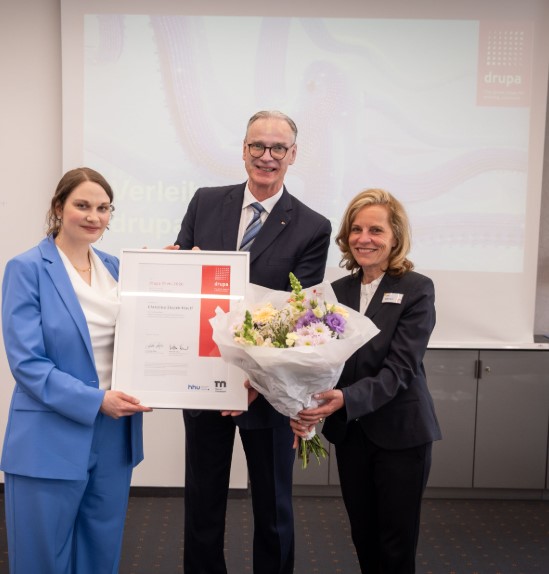
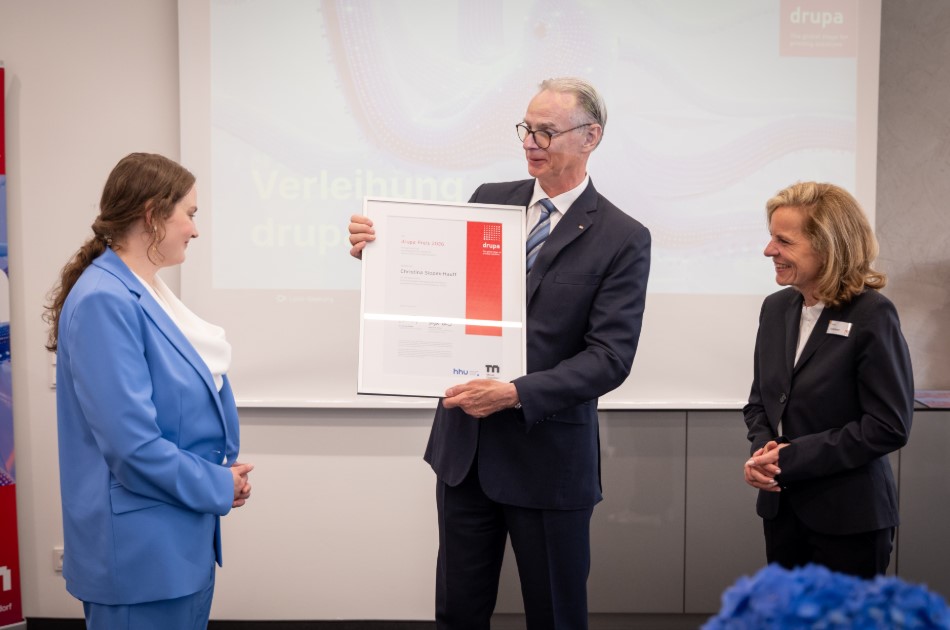
The drupa Prize 2026 has been awarded to literary scholar Christina Slopek-Hauff for her outstanding doctoral thesis in the field of English and American Studies. With her thesis “Plural Psychologies: Interrogating Mental Illness in Anglophone African and African-Diasporic Fiction”, she makes an innovative contribution to interdisciplinary literary and cultural studies. With this prize, drupa annually supports outstanding early-career researchers from the Faculty of Arts at Heinrich Heine University Düsseldorf.
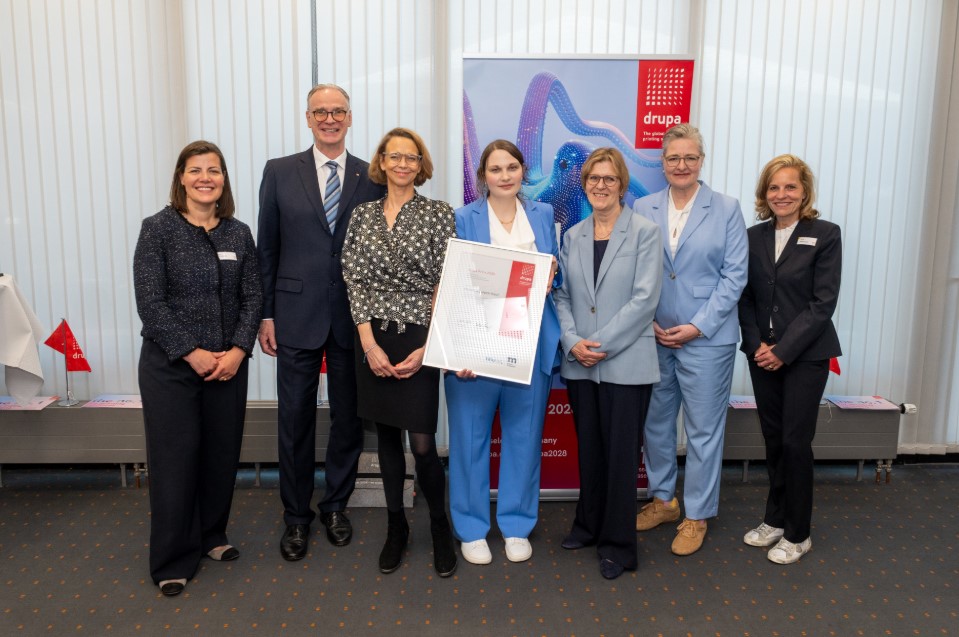
Christina Slopek-Hauff (centre) was awarded the drupa Prize 2026.
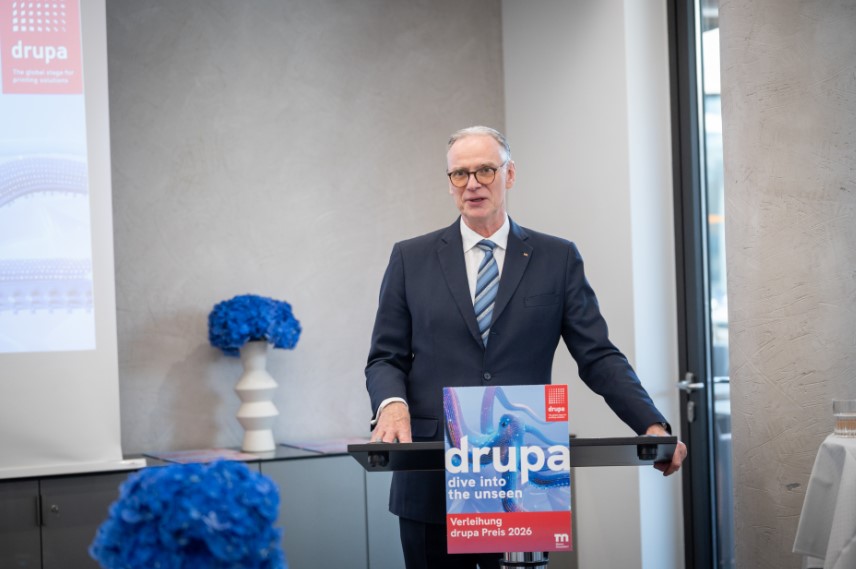
The drupa Prize, worth 6,000 euros, was presented on 7 May 2026 during a formal ceremony at the exhibition grounds in Düsseldorf. The presentation was attended by Wolfram N. Diener, Chairman of the Management Board of Messe Düsseldorf, Sabine Geldermann, Director of the drupa Portfolio Print Technologies, Prof. Dr Heidrun Dorgeloh, Vice-Rector of Heinrich Heine University Düsseldorf, Prof. Dr Ulli Seegers, Dean of the Faculty of Arts at Heinrich Heine University Düsseldorf, and her supervisor, Prof. Dr Birgit Neumann.
Dr Andreas Pleßke, Chairman of the drupa Committee, paid tribute to the award winner: “Christina Slopek-Hauff’s work exemplifies research that transcends disciplinary boundaries and brings global perspectives to light. Particularly in a time of profound transformation, including within our industry, such nuanced, intercultural approaches are crucial for understanding complex interrelationships and developing new ways of thinking.”
Interdisciplinary contribution to literary and cultural studies
In her dissertation, awarded a summa cum laude, Christina Slopek-Hauff analyses literary texts as spaces in which dominant, often Western-influenced concepts of psychology and mental health are critically questioned and expanded. In doing so, she combines approaches from the Medical Humanities, Disability Studies and Postcolonial Studies. The work demonstrates how literature helps to make diverse (“plural”) perspectives on mental health visible and to challenge hegemonic structures of knowledge. In doing so, it makes both an academic and a societal contribution to the current debate on diversity and cultural perspectives on health.
Lightweight Youth Bikes Gain Strength And Safety Through Advanced Hot Runner Systems
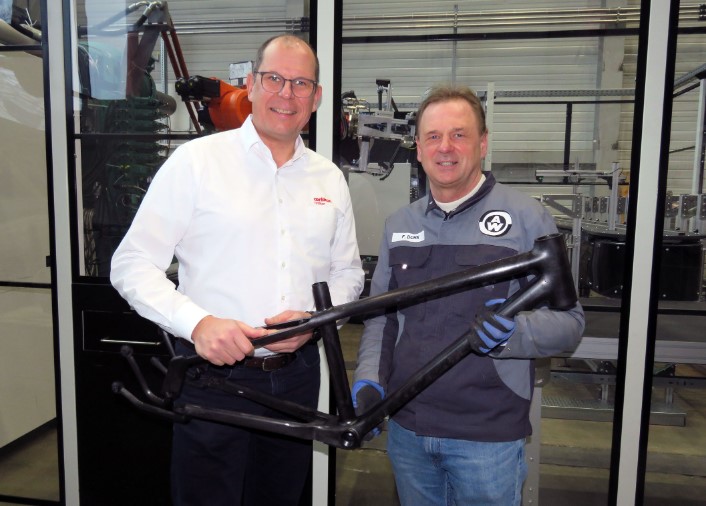
Felix Dorn of Weber Fibertech, right, and Joachim Scheffer of Oerlikon HRSflow, presenting a frame for the li:on youth bicycle that was injection-molded using water injection technology and FLEXflow HRS servo-driven hot runner technology. Oerlikon HRSflow
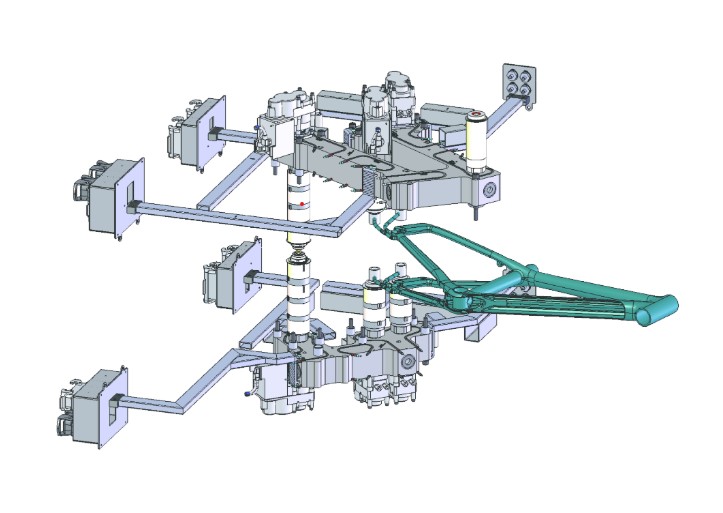
Setting new industry standards, the li:on youth bikes from Kids Bike Revolution in Markdorf combine high safety and stability with low weight as well as sustainable manufacturing and design. A key feature is their frames which come in two sizes. They are made of Fibrit, a polyamide reinforced with 40% recycled carbon fibers that is lightweight and recyclable. Weber Fibertech, which is also based in Markdorf, produces the frames using modified water injection technology (WIT) and its patented E-LFT process, as well as FLEXflow HRS servo-driven hot runner technology from Oerlikon HRSflow. PME fluidtec, a Weber Fibertech subsidiary and a leading global supplier of machines and injection systems for fluid-assisted injection molding based in Ettenheim, Germany, developed the WIT. KraussMaffei manufactures the MX 1600 injection molding machine, which is specifically designed for this application.
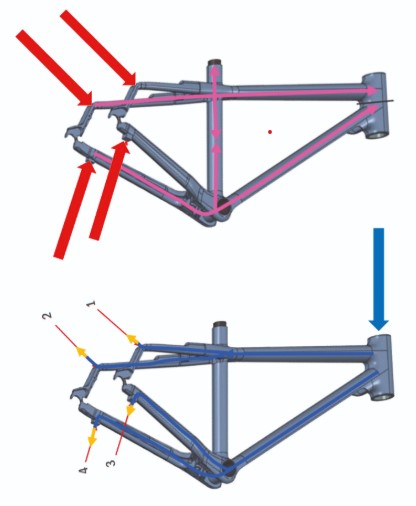
In the WIT process, the mold is first filled with molten material. Immediately afterward, a water jet strikes the still-liquid core of the part in the opposite direction of injection, forcing excess material back into the injection molding machine’s melt supply. This saves material without reducing the rigidity of the tubular frame. However, it requires very complex control of the opening and closing of the injection nozzles in both phases of the WIT. FLEXflow HRS meets these requirements and was therefore key to the project’s success.
FLEXflow HRS as a key
Compared to conventional hot-runner injection molding, the combination of WIT and hot-runner technology, together with the flexible control unit of the servo-driven FLEXflow HRS systems, offers significant advantages. It enables independent and precise adjustment and monitoring of the needle stroke positions as well as the movement speeds of all nozzles integrated into a mold. This allows for precise control of the opening and closing cycles as well as melt flow, compensates for different flow paths, and enables the targeted positioning of weld lines. This flexibility is available both during injection into the cavity and during the WIT-specific push-back of the molten material for direct use in the subsequent cycle. Separate overflow cavities are not required, eliminating the material loss otherwise associated with them.
For both frame sizes of the li:on bikes, four injection points on the rear fork have proven to be optimal. There, nozzles from the Wa series from Oerlikon HRSflow, which are designed for medium to high shot weights, allow for short injection times. They are made of a highly wear-resistant special steel and thus withstand the demands of processing the abrasive, carbon-fiber-reinforced polyamide.
Phase 1, top: Starting from the four injection points, the melt spreads throughout the cavity until it is completely filled. Phase 2, bottom: Starting from the opposite side, the water pushes the still-liquid cores of the individual sections back toward the needle-valve nozzles. Oerlikon HRSflow
Friedbert Schmitt, Managing Director of Weber Fibertech, comments: “Thanks to FLEXflow HRS hot runner technology, we can use the WIT for series production and deliver top-quality lightweight frames for the li:on youth bikes. Even at first glance, these closed, multidimensional hollow profiles impress with their perfect surfaces and lack of warping. Despite varying flow paths and cross-sections, their individual areas are completely and uniformly filled and securely sealed at the end of the process. Wall thickness requirements are precisely met throughout. The weld lines are optimally positioned, minimizing their impact. In this way, we make a significant contribution to the high safety level of the products.”
To make the most of the capabilities of FLEXflow HRS in conjunction with the WIT system, Oerlikon HRSflow has customized the control software for this specific application. Joachim Scheffer, Key Account Manager at Oerlikon HRSflow, explains: “Working closely with PME Fluidtec, we first set up and refined the interface with the WIT system. We then programmed FLEXflow HRS so that the melt fronts, starting at the four injection points, converge in a defined manner at the seat post, in the bottom bracket area as well as at the head tube. Thanks to the ability to precisely control the movements and positions of the individual valve pins, we were also able to adjust the timing of the backpressure so that the separate melt flows in the individual frame parts move back evenly. This project would not have been feasible with conventional hot runner technology.”
Focus on safety and sustainability
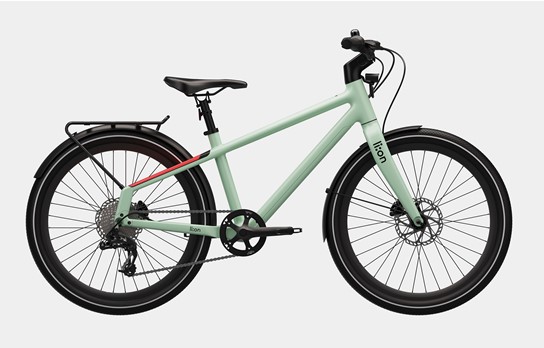
Developed by former professional cyclists Tony Martin and Marcel Kittel, li:on bikes combine the lightweight design of aluminum frames with the high riding stability of carbon models. With three trim levels, three attractive colors, and frame sizes of 24” and 27.5”, they set a new standard for children’s and youth bicycles in terms of road safety and sustainability.
Thomas Arimond, Managing Director of li:on-bikes, comments: “With the launch of these youth bikes, we are meeting two key requirements: outstanding visibility as a safety feature and environmental sustainability as part of our responsibility as a manufacturer for the ecological footprint of our products. The paint finish in bright, light-reflecting colors and additional lighting elements make them particularly conspicuous, even in poor visibility conditions. This helps protect the health and, in extreme cases, even the lives of young users. On the manufacturing side, we take various measures to ensure that the associated environmental impact remains as low as possible. We manufacture all components in Germany. This keeps transport distances short. In addition, we manufacture virtually ‘on demand.’ This minimizes the number of unsold returns that would otherwise have to be disposed of. The carbon fibers used for the Fibrit material come from the recycling loop. The material itself can also be recycled and returned to production. Compared to aluminum, it has a significantly reduced carbon footprint during manufacturing.”
Help with development projects
To establish on the market such frames, which are made of cost-efficiently processable thermoplastic as an alternative to conventional aluminum and carbon frames, Weber Fibertech founded the Fi.Bi.Tec division (Fiber Bike Technology www.fibitec.com). This focuses on the bicycle industry’s growing interest in “Made in Germany” frames and other components. The company supports OEMs from the feasibility study through to large-scale production in Germany.
Buyers of the li:on youth bike – shown here in the Urban Green version – can choose from two frame sizes, three trim levels, and four colors. Kids Bike Revolution
“Best Kids Bike” Award
Shortly after its market launch, the li:on bikes received a prestigious industry award. During Cyclingworld 2026 – Europe’s show for the finest cycling culture – they were named “Best Kids Bike”.The jury recognized the brand’s innovative concept of modern, safe, and sustainable children’s bicycles. They highlighted the use of special light-reflective paint to make young cyclists more visible in traffic, the bike’s exceptional safety features, and the manufacturing process, which emphasizes sustainable production.
MAAG Group Brings Unified Processing Expertise To Plast Milan 2026
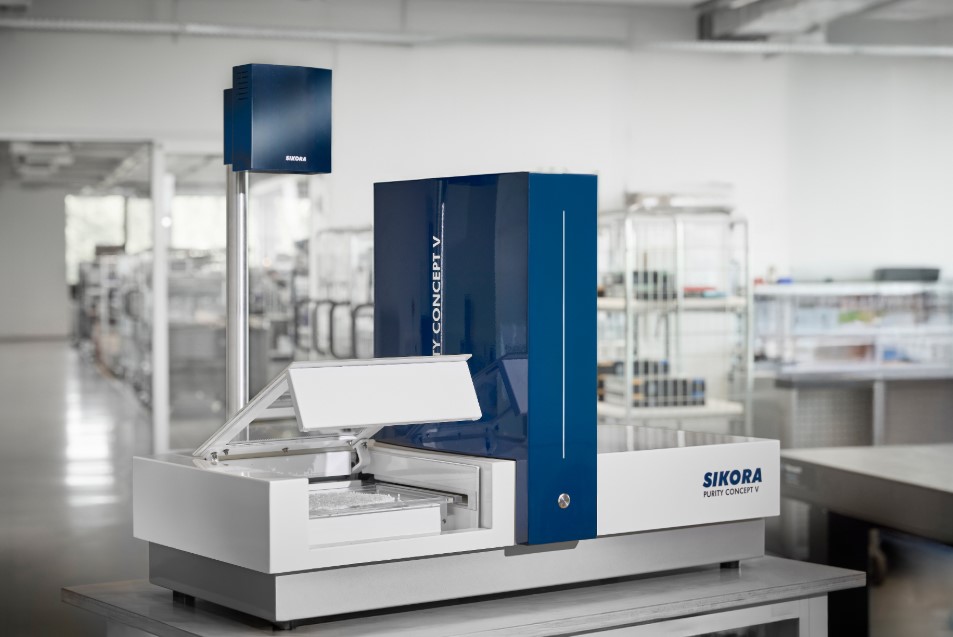
The PURITY CONCEPT V laboratory system inspects and analyzes granules, flakes, and test plates.
The MAAG Group will attend Plast Milan in Milan, Italy from June 9 to 12, 2026 and will present modern solutions for polymer processing, and manufacturing as well as pipe and hose production in Hall 13, Booth L09 M10. This will be the first joint appearance in Italy since the acquisition of SIKORA in June 2025. SIKORA is a leading provider of innovative measurement, control, inspection, and sorting technologies.
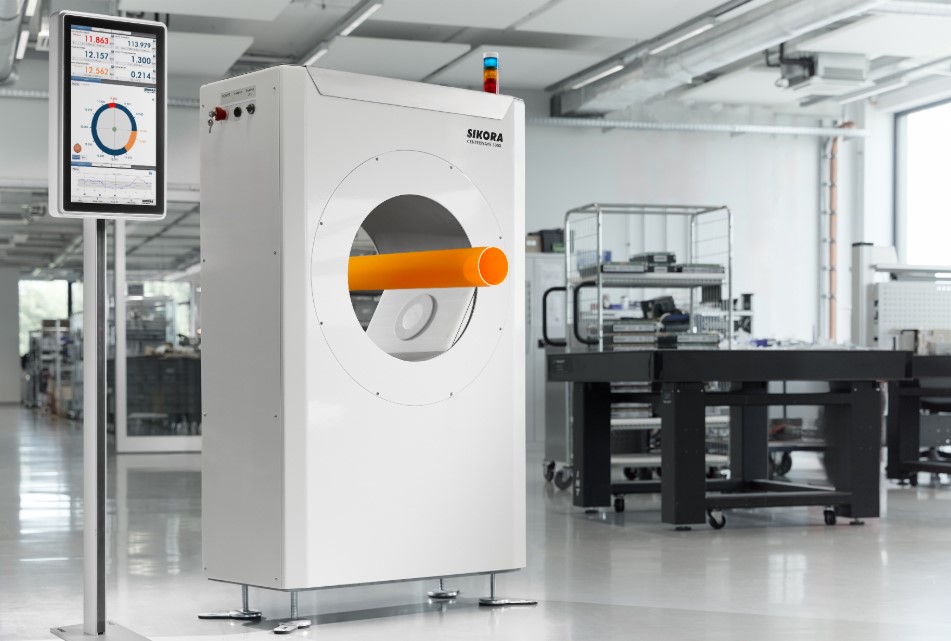
The CENTERWAVE 6000 measures pipes from 32 to 1,600 mm.
At the booth visitors can see:
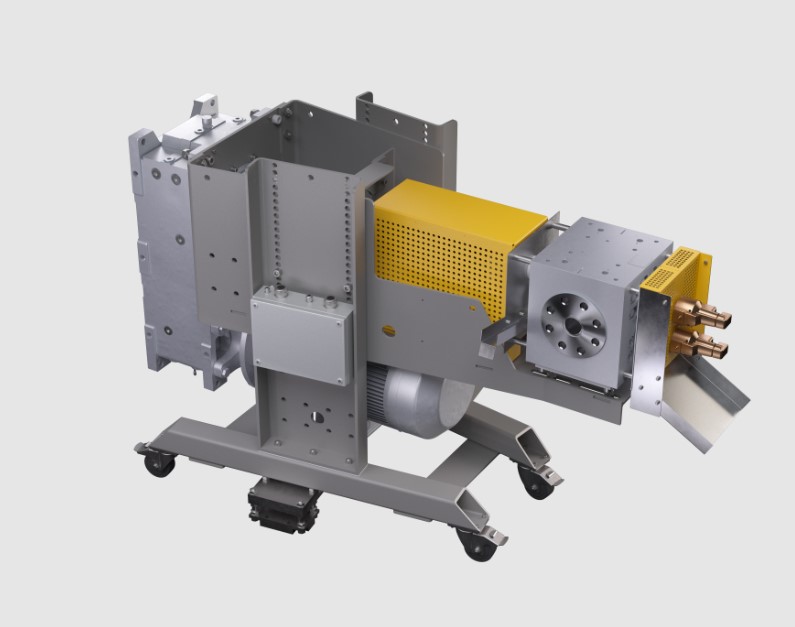
First gear pump specifically designed for pumping hard PVC
High-performance melt filters for recycling processes
PURITY CONCEPT V for inspection and analysis of pellets, flakes, and test plates
PURITY SCANNER ADVANCED for inspection and sorting of demanding plastic applications
CENTERWAVE 6000 for measuring the wall thickness and diameter of pipes from 32 to 1,600 mm
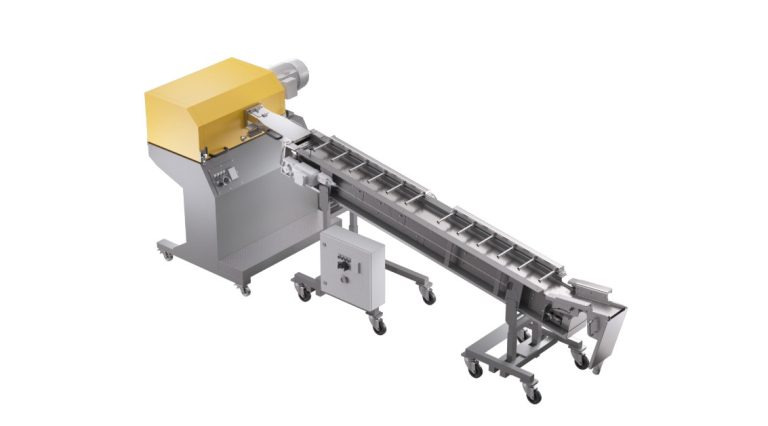
New extrex⁶ EC for conveying rigid PVC
Together, MAAG Group and SIKORA show their combined expertise along the entire value chain of plastics processing. “Our aim is not only to provide customers with first-class machines and systems, but also to support them as a long-term partner with in-depth process expertise,” summarizes Ueli Thürig, President MAAG Group.
High-Precision Inline Control For CV Lines Using X-RAY 8000 ADVANCED
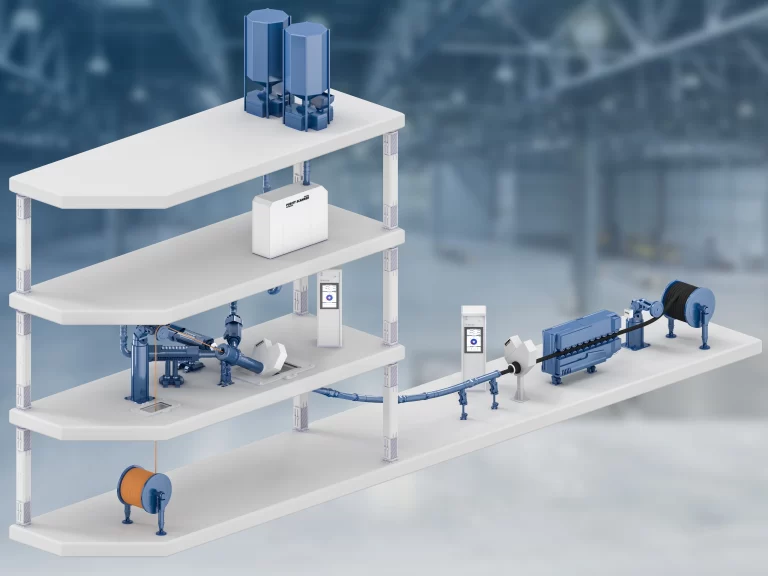
Energy cables place high demands on their function and their production. As submarine and underground cables, they ensure that energy is reliably transported to where it is needed. To ensure that electricity is delivered safely, the highest cable quality is essential. For over 30 years, SIKORA’s X-RAY 8000, with over 2,000 systems installed, has been considered the global industry standard in CV lines.
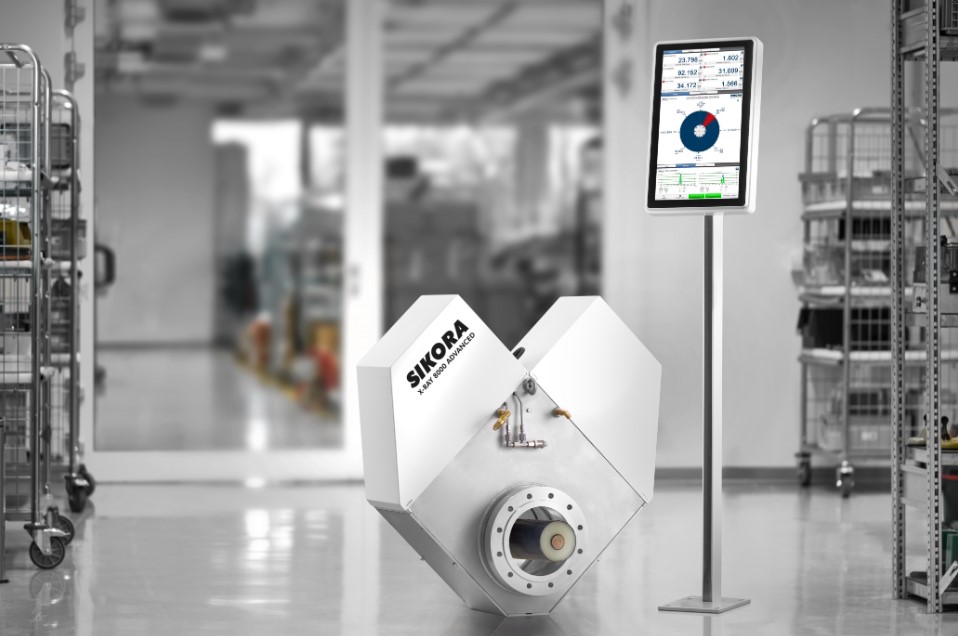
Directly after the extruder, in the CV pipe, the X-RAY 8000 ADVANCED X-ray measuring system measures the dimensions of the cable – such as wall thickness, eccentricity, diameter, and ovality. Unlike conventional systems on the market, the X-RAY 8000 ADVANCED features unique High-Speed Technology (HST). It is equipped with 16 measuring sensors, which reduces the measuring distances and thus measures at least 10 times faster than conventional systems. The result: the measuring values are available in less than 30 seconds for immediate centering and distortion-free control to the target dimension within 100 seconds.
The X-RAY 8000 ADVANCED is used for quality control in CV lines.
Continuous use of the X-RAY 8000 ADVANCED enables a wall thickness reduction of around 5%, resulting in significant material and cost savings. The 5% material savings correspond to a CO₂ reduction of around 375 tons per year – comparable to approximately 125 round-trip flights between Frankfurt and New York. The X-RAY 8000 ADVANCED thus contributes to greater sustainability in cable production.
The durable XLL X-ray technology ensures a long service life. Special, self-cleaning, and non-toxic (NTX) measuring windows guarantee particularly safe and healthy handling in the CV line. In addition to the measuring system, a control cabinet containing an industrial PC for evaluating the X-ray image is supplied. All measuring values are clearly visualized and logged in real time on a TFT monitor.
The X-RAY 8000 ADVANCED can be integrated both vertically in CCV lines and VCV lines as well as in a horizontal line for medium-voltage cables. It can also be used in hybrid CV lines where both XLPE and PP are used as insulation materials.
For final quality control at the end of the CV line, the X-RAY 8700 NXT records the cold values of the cable. In combination with the X-RAY 8000 ADVANCED at the beginning of the line, the shrinkage values for all three insulation layers of the cable can also be precisely determined. This ensures optimal process control and meets existing cable quality requirements for maximum reliability and safety.
Specialty-Grade H2O2 Capacity Grows In China Through Evonik And Fuhua Partnership
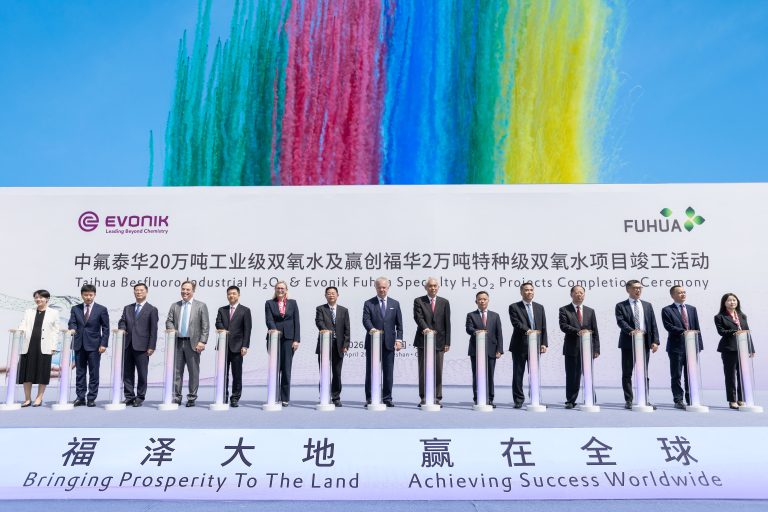
Evonik and Fuhua have completed construction of a state-of-the-art hydrogen peroxide plant in Leshan, China. Set to produce specialty-grade hydrogen peroxide for cutting-edge industries like photovoltaics and semiconductors, the facility will enter trial production soon, with full operations expected by Q2 2026.
Facility now entering trial production of specialty grades
Full start-up expected in Q2 2026 with annual production capacity of 20,000 tons
Evonik Fuhua New Materials has completed construction of its hydrogen peroxide (H2O2) facility in Leshan, Sichuan Province, China. The joint venture between Evonik and Fuhua Tongda Chemicals Company (Fuhua) will purify industrial-grade H2O2 into specialty grades to serve high-growth markets in the region. The plant is now preparing to enter trial production, with the first commercial volumes expected in Q2 2026.
Based on technology licensed from Evonik’s Active Oxygens business line, the facility utilizes industrial-grade H2O2 produced by Fuhua as a feedstock. The resulting specialty grades will be offered to meet growing regional demand for high-end applications such as solar cell production, semiconductor manufacturing, food packaging, cosmetics, and pharmaceuticals. The plant is designed with an annual production capacity of 20,000 tons.
Christian Kullmann, Chairman of the Evonik Executive Board, emphasized the strategic importance of the collaboration: “Evonik’s leading position in the global specialty chemicals industry is built on innovation, strong technology platforms, and a global network. This project showcases our exemplary cooperation model with important partners like Fuhua: By combining Evonik’s technological strengths with Fuhua’s industrial chain and local capabilities, we will jointly provide high-quality solutions for customers in the region and globally.”
Dr. Claus Rettig, interim CFO of Evonik and President of Evonik Asia Pacific, added: “This facility will strengthen Evonik’s supply capability and service efficiency in the Asia-Pacific region, particularly in China. Through local cooperation, Evonik will be better positioned to meet the rapidly growing demand for high-purity specialty-grade hydrogen peroxide products, ensuring reliable and efficient support for our customers.”
Fuhua Chairman Zhang Hua underscored the significance of the collaboration: “This partnership with Evonik marks an important milestone in Fuhua’s development toward higher-end and more international operations. The project will further enhance Fuhua’s competitiveness and support national development priorities in new energy, advanced manufacturing, and future-oriented chemical production.”
Hydrogen peroxide is a versatile chemical needed for a wide array of industries. It plays an essential role in applications ranging from electronics to renewable energy and aseptic packaging. Yet after use, the chemical breaks down into only oxygen and water – giving it a particularly beneficial environmental handprint.
Gneuss MC Reinforces Sensor Technology Expertise Through Independent Operations
Gneuss Spins Off Its Sensors and Measurement Technology Division into a Separate Company
Gneuss Kunststofftechnik GmbH, a supplier of plastics processing and recycling equipment and systems, is restructuring its sensor and measurement technology division. As of May 1, 2026, the operational business will be fully transferred to the newly founded Gneuss MC GmbH & Co. KG.
This move is a response to the division’s continuous growth in recent years. Rising demand and increasing technological complexity mean that a more independent organisational structure is necessary.
The new company will consolidate all activities within the Measurement & Controls division, creating a clear structure for further business development. All division employees will transfer to the newly established company.
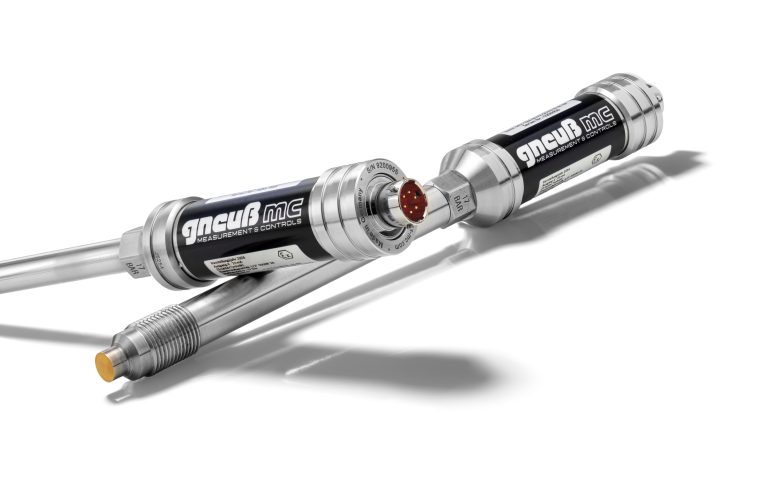
Gneuss MC develops and manufactures sensor solutions for pressure and temperature measurement in extrusion processes. These systems are designed for demanding industrial applications and ensure reliable measurements even under conditions such as abrasion, corrosion and high temperatures.
Another focus is on customer-specific solutions: Thanks to its in-house manufacturing capabilities, Gneuss can produce both standardised and custom-designed sensors. The portfolio is complemented by digital technologies, including fully digital sensors and RFID-based systems for measuring and monitoring equipment.
“With this spin-off, we are creating the structural conditions to consistently further develop our sensor and measurement technologies and strengthen our position as a technology leader in the long term,” says Dr Stephan Gneuss.