Wednesday, July 8, 2026
spot_img
Home Blog Page 81

Triple Bubble® Technology for Recyclable, Flexible Barrier Shrink Bags

Triple Bubble® Technology for Recyclable, Flexible Barrier Shrink Bags

Sales portion packaging for soft or angular pieces or meat and cheese are among typical applications for barrier shrink films produced using Kuhne’s Triple Bubble® technology.
© Kuhne Anlagenbau


Kuhne Anlagenbau GmbH’s focus at NPE 2024, in Orlando, Florida, USA will be on large turnkey lines for extruding flexible simultaneously biaxially oriented barrier shrink films that do not require polyamide (PA) or polyester (PET) as a layer to impart strength to the structure. Consequently, they can be easily recycled together with (at most 5%) EVOH in the PE recycling stream. The required robustness and puncture resistance are achieved inline during processing in the Triple-Bubble® process using gentle radiation crosslinking employed by Kuhne Anlagenbau. This acts from the outside to a shallow depth of only 5 to 10 µm, without damaging the EVOH layer and reducing recyclability. As a result, there is no need for an additional post-processing step, which would increase costs. The resultant films are sufficiently flexible and elastic to achieve good levels of shrinkage. At the same time, however, they also provide the mechanical strength required to be able to reliably fill the bags, even with contents weighing several kilograms.

One-stop Shop

Kuhne supplies the entire technology used for this as turnkey lines for worldwide use. Tailored to particular product requirements, this one-stop package also includes the specification of the material formulations and gauges required for the seven to thirteen PE, adhesion promoter and EVOH layers, as well as all processing parameters. As a result, these systems can usually be commissioned very shortly after installation by Kuhne , and continuous production at the highest quality level is possible right from the outset. For manufacturers and distributors, the recyclable films mean lower extended producer responsibility (EPR) levies and assist compliance with the Circular Economy for Flexible Packaging (CEFLEX) sustainability guidelines drawn up by the flexible packaging value chain. Kuhne lines stand out from the competition because capital costs are significantly lower when output is considered in relation to machinery costs under manufacturing conditions.

Kuhne Anlagenbau , which developed the Triple Bubble® process in-house back in 1996, has perfected the system and can offer processors access to the attractive combination of low film thicknesses with the high throughputs achievable with large-scale machinery. Thus, typical film thicknesses are material saving, ranging between 20 µm for lid films and 50 µm for shrink bags. A shrinkage of over 60 % is achievable. Optimized machine design and high cooling rates mean the lines can achieve throughputs of up to 250 kg/h or annual output exceeding 1500 metric tons of shrink bag film. Depending on current requirements in different regions and applications, intermediate layers made of PVDC instead of EVOH, as well as PA or PET outer layers to increase puncture resistance are possible.

Triple Bubble® Technology

The Triple Bubble® technology for manufacturing biaxially oriented blown films is named after the serial arrangement of three bubbles. In the first, the film is very quickly cooled using cold water quench technology. Kuhne has further optimized this process for large systems to increase efficiency. This quenching very effectively prevents crystallization processes, as is essential for uniform stretching in the subsequent, second stage. The resultant high degree of orientation at a molecular level is key to the films’ excellent mechanical and barrier properties. Thermal relaxation in the third bubble is used to set the desired shrinkage behavior, so also making it possible to achieve very low shrinkage forces.

Kuhne current Triple Bubble® lines enable the production of shrink films with up to 13 layers at widths of up to 3000 mm double flat (6,000 mm film width). As Jürgen Schiffmann, Kuhne  CEO, explains, “We have already delivered some 150 of our turnkey Triple Bubble® lines worldwide on time and according to requirements. Our combination of system development and production together with on-site installation, application-specific film formulation and pre-optimized process parameters make commissioning the line straightforward, and customers can start production immediately – reliably and without in-house development costs, even for challenging applications. Patented technology licenses are included.”

www.konsens.de

#modernplasticsaward #plasticnews #modernplasticsgermany #ginujoseph #modernplastic #plasticindia  #plasticrecycling #sustainability #modernplasticsglobalnetwork #modernglobalnetwork #modernplasticsaward2024 #plasticmagazine #PlasticIndustry  #modernplasticsmiddleeast #indianmagazine #innovations #modernplasticsamerica #modernplasticsbangladesh #modernplasticsasia #modernplasticsitaly#Kuhne#machinery

Corrosive or abrasive: the new HPP2 PUR pump from KraussMaffei can withstand anything

Corrosive or abrasive: the new HPP2 PUR pump from KraussMaffei can withstand anything

• The right pump for every chemistry with two new nominal sizes
• In-house service with maintenance, testing and certification
• Repair concept for more sustainability

Time is money. When PUR systems are expected to react faster and faster, one system component is particularly affected: the pump. Chemistry is becoming more aggressive, and there are often abrasive additives as foam components. KraussMaffei’s HPP and HPP2 axial piston metering pumps are designed for this and are now available in two new nominal sizes. Customers get the right pump for every chemical.

In reaction technology systems, the pump is the heart of process reliability – and KraussMaffei’s is the expert cardiologist. The company has been developing its own pumps for over ten years. The team led by designer Robert Brunner has now scaled the proven HPP concept to flow rates of 80 and 155 liters/minute (at 1450 rpm) and added useful features. This means that the entire range of PUR requirements can be covered.

If a mixing head is to turn polyol and isocyanate into PUR (polyurethane) in a precise ratio, it needs the worker in the background – the pump, which ensures the necessary throughput in the dosing machine with a pressure of 100 to 200 bar. Chemical versions are in a league of their own within the pump family. Few suppliers dare to tackle this process and even fewer have the necessary expertise.

Construction of the axial piston pump

First of all, you need to understand the structure of an axial piston pump: The drive shaft sets several pistons in motion, which are located in a rotating cylinder housing. This can be infinitely adjusted in angle to the drive axis with the help of a control disk, which changes the flow rate (in cm3 per revolution). The greater the inclination, the higher the displacement, because the length of the cylinder bores is utilized to an increasing extent. Without inclination, the piston stroke is zero. Originally, pumps of this type were designed for the hydraulics of construction machinery, for example also widely used in reaction technology applications. Here they face particular challenges, as the pump housing is completely filled with chemicals that have become increasingly aggressive to enable faster production times. For example, some alkaline components attack the very iron-carbon compounds that ensure the hardness of the steel. Robert Brunner emphasizes: “When designing pumps, we therefore have to pay more and more attention to the choice of materials and find solutions here.”

KraussMaffei’s  is the only manufacturer of PUR systems that has been building the pumps for its metering machines itself for many years. Most suppliers rely on standard models, whereby the broad market availability of pumps in this size range is limited. For Jochen Zwiesele (Director Global Development Reaction Process Machinery), one thing is clear: “The new versions of our HPP pumps close existing gaps.” Previously, they were available with nominal sizes of three to 28 cm3/rev, which corresponded to a flow rate of up to 40 liters/minute. For large-volume applications such as building panels or insulation for refrigerators and district heating pipes, it became necessary to increase the material throughput.

Characteristics of the new PUR pump HPP2

HPP and HPP2 differ from each other in a number of details, although their volumetric efficiency is equally good. Model HPP is fully compatible with the variants available on the market, making it very easy for customers to replace units from other suppliers that are no longer available. It is available with either shaft coupling or magnetic coupling. The HPP2 has a wear-free magnetic coupling as standard. This works by means of an internal rotor

fitted with magnets and positioned in a non-magnetic containment shell. An outer rotor, also equipped with magnets, transmits the desired speed from the motor to the drive shaft. This concept offers a decisive advantage: the housing is closed. With the shaft coupling, on the other hand, the shaft protrudes and good seals are required to prevent leakage, as the PUR components are almost as fluid as water. Seals, in turn, are critical points for wear.

Another feature of the new HPP2 is the spindle, which has been removed from the pump chamber. It is responsible for changing the cylinder inclination via the control disk and thus ensures the optimum operating point for a wide range of applications. Especially with isocyanate, crystals can form due to water absorption, which clog the thread and make it difficult to move. By placing this outside the pump chamber (and leaving only a smooth rod there), it is ensured that the handwheel can be moved easily over the long term. In addition, the bearing spacing has been increased, making the bearing stiffer, and temperature sensors and bearing damage monitoring are also available.

KraussMaffei’s offers a broad portfolio of pumps available at short notice for processing harmless chemical products, water-driven systems and aggressive fluids. The mechanical side is always taken into account. Added dyes such as carbon black or titanium dioxide, for example, can have an abrasive effect. The pump design and materials used must also be adapted to this. In addition to the tried and tested cast housing, the HPP2 in nominal sizes three, six and twelve cm3/rev are also available with a stainless steel housing, which is particularly suitable for epoxy applications.

In-house service with maintenance and testing including certificate for sustainable solutions

The combination of material and process know-how as well as design details makes HPP and HPP2 extremely low-wear, durable and robust and ensures a smooth process.KraussMaffei’s models are known and appreciated in the market for these properties. Now the next sizes will also accompany their customers.

Although the pumps are optimally adapted to the raw materials to be pumped thanks to several corrosion protection levels and offer a long service life, it is still necessary to clean and refurbish them at certain intervals.KraussMaffei’s offers an uncomplicated in-house service with maintenance and testing, including certification.

Keeping tried-and-tested system components in good condition also contributes to environmental protection and sustainability. Jens Kompe (Director Sales RPM) emphasizes: “Our products are designed for precision and durability. We also offer the ‘turn old into new’ repair concept. Older pumps can even be upgraded to the latest standard by installing higher-quality components and then also receive a test certificate.

The bouquet of solutions that KraussMaffei’s offers in the field of pumps has been enriched by two flowers with the new sizes.

1_KM_RPM_Pumps_HPP

All Rexroth-compatible pumps can be fitted with a magnetic coupling. Several containment shroud variants are available.

2_KM_RPM_Pumps_55

Our pumps with Rexroth-compatible connection dimensions. The 55 cm and 107 cm sizes round off our portfolio.

3_KM_RPM_Pumps_HPP2
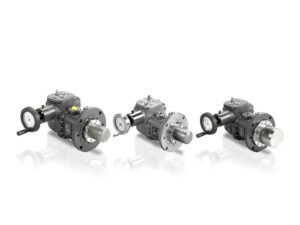
The problem solver in the PU market for ten years. The maximum variability of the HPP2 pump series makes it the best choice for critical chemicals. The series covers the spectrum from 4 to 40 liters/min.

www.kraussmaffei.com/press

#modernplasticsaward#plasticnews #modernplasticsgermany #ginujoseph#modernplastic #plasticindia  #plasticrecycling #sustainability #modernplasticsglobalnetwork #modernglobalnetwork #modernplasticsaward2024 #plasticmagazine #PlasticIndustry  #modernplasticsmiddleeast #indianmagazine #innovations #modernplasticsamerica #modernplasticsbangladesh #modernplasticsasia #modernplasticsitaly#KraussMaffei’s


 

Polyimide Coated Magnet Wires: Advantage in >800V EV

Polyimide Coated Magnet Wires: Advantage in >800V EV

Electrical breakdown of high-temperature insulation materials can be prevented by using thermoplastic Polyimide, TPI. This polymer can be extrusion-coated as other polymers, but AURUM, TPI reduces electrical and magnetic losses. AURUM has the highest Tg of any commercially available Thermoplastic, 473°F (245°C) and its insulation
performance especially at temperatures above 302°F (150°C) beats any other known insulation.

As the automobile sector transitions to electric vehicles, new polymers that offer higher electrical and thermal properties are used. For better system integration, weight-reduction and downsizing in higher-volt systems, for faster charging and longer charging distances, electrical breakdown must be prevented by high-temperature insulation materials. AURUM reduces electrical and magnetic losses with a high comparative tracking index (CTI) > 600 volts.

Thermoplastic Polyimide (TPI) produced by Mitsui Chemicals of Japan, and sold by BARplast LLC is known for excellent thermal stability, high-temperature resistance, and robust electrical insulation properties. TPI coated magnet wires are a suitable choice for high-voltage applications (800V and above). Here are some key characteristics of AURUM coated magnet wires for high-voltage mobility applications:

• High-Temperature Resistance: Capable of withstanding elevated temperatures in general and best-in class performance near welding-spots.
• Thermal Stability: Provide thermal stability over a wide temperature range, ensuring the integrity of the insulation even well above 302°F (150°C) continuously.
• Electrical Insulation: Excellent electrical insulation properties to prevent electrical breakdown and ensure the safety and reliability of the system.
• Flexibility: Maintain flexibility even at elevated temperatures, allowing for ease of winding during the manufacturing process and flexibility in the final application.
• Chemical Resistance: Resistant to many chemicals, enhancing the durability of the coating in various cooling environments.
• High Dielectric Strength: The high dielectric strength of AURUM helps in preventing electrical arcing and breakdown.
• Lightweight: AURUM coated magnet wires are lightweight because even 30% less volume insulates better than other, commonly used materials.

AURUM is a semicrystalline TPI suitable for powder-coating, injection molding and extrusion coating, with highest-in-class glass transition temperature. Extrusion processing AURUM for wire insulation is highly economical, allows extremely thin layers and has better elasticity and good compatibility with cooling-/ lubricating oils.

www.aurum.com

Aurum logo

Thermosetting polyimides have been known for many years in electronic insulation, but thermoplastic PI offers new ways of mass-producing Polyimide insulation for the automotive industry.

Extrusion-coated magnet wires and powder-coated busbars have been studied: performance parameters, including adhesion to Copper & Aluminum, temperature resistance, flexibility, and dielectric values, have all been evaluated and contrasted with PAI-enamels, PEEK-coating, and other insulation materials.

BARplast logo

BARplast LLC is a subsidiary of the BIEGLO Group and is located Texas. BARplast sells POLYIMIDE like AURUM TPI, various thermosetting PIs like PLAVIS, PEEK and R-PEEK. This year BARplast is exhibiting at the NPE in Orlando for the first time. Come to out booth S31194 to learn more about the TPI Aurum and other High Performance.

www.BARplast.com

Bieglo_High Performance


BIEGLO Group offers their range of special HPP products to their global customers by running generic web-shops as

www.PEEK-shop.com

Mitsui Chemicals Inc. is a leading Japanese company known for its diverse chemical products and solutions in various industries. With a strong focus on innovation and sustainability, it provides cutting-edge High Performance Plastics and chemicals for various sectors worldwide.

jp.mitsuichemicals.com

#AURUM#BARplastLLC#MitsuiChemicalsInc#modernplasticsaward#plasticnews #modernplasticsgermany#ginujoseph#modernplastic#plasticindia#plasticrecycling #sustainability#modernplasticsglobalnetwork#modernglobalnetwork#modernplasticsaward2024 #plasticmagazine#PlasticIndustry#modernplasticsmiddleeast#indianmagazine#innovations #modernplasticsamerica #modernplasticsbangladesh #modernplasticsasia #modernplasticsitaly

Drupa Print Horizons Report: Print Industry in Transition to A Digital World

Drupa Print Horizons Report: Print Industry in Transition to A Digital World

The Print Horizons Report, published in March, is a brief guide to the most important topics that printers and suppliers need to research when preparing for drupa. The findings are based on additional questions from the 9th drupa Global Trends Survey on the key technical and market developments likely to dominate drupa 2024. The report provides valuable insights and helps prepare all printers for the changes in the industry, with a large part focused on digitalisation but also sustainability and ai.

Regardless of their size, region, or market, all printers must recognize the seismic shifts in print caused by digitization. Indeed, the challenge lies in deciding where to begin, given the rapid pace of so many radical changes.

The 9th drupa Global Trends report, published in November last year, was remarkably positive given the challenges faced in the last few years. Printers and suppliers know that exploiting new technology is key to a successful future. The problem is how best to achieve this end. With this in mind, the 2023 Trends survey asked a range of questions on technology opportunities and priorities. From the replies, the authors of the study draw up six key topics, which were at the top of the Market participants’ priority lists for further research and investment:

  1. The changing dynamics of analogue and digital production
  2. Workflow and Automation
  3. Print Embellishment and Finishing
  4. Web-to Print
  5. Digital Packaging and Labels
  6. Sustainability and ESG

The Printz Horizons Report addresses each of these topics and explores the survey findings, complemented by commentaries from industry specialists made in a series of interviews with this report’s authors.

The changing dynamics of analogue and digital production

The majority of printers will continue to use conventional print in tandem with digital production. If implemented effectively, the two processes should complement, not compete. Digital print should be seen as a core production method.

While sheetfed toner technology still dominates the volume end of this market, inkjet in its various guises is where most supplier effort is focussed. Past simple conversations about the economic breakeven point between conventional and digital print have been overtaken by more sophisticated dialogues about how digital print can change a market and optimize production efficiency.

Investments need to be made

Print companies need to understand that investment in digital printing needs to go hand-in-hand with the digitalisation of other business processes. For example, many printers have made valiant attempts at automating individual workflows, but few have yet to tackle the bigger challenge of creating a single automated workflow from PDF to final product. This may be the time.

Artificial Intelligence will of course also play a role. No technology report is complete today without giving attention to the impact of AI. It is already used in a number of applications within the print industry and drupa 2024 will see many suppliers promoting the benefits of using AI to assist and augment human capabilities.

Sustainability and ESG

No printer or supplier can afford to ignore sustainability any longer. Increasingly actions taken to increase sustainability are also good for the bottom line and are also demanded by customers, so it is a no-brainer to tackle the task with enthusiasm.

ESG (Environmental, Social and Governance) is more challenging, not least because there is no clear definition and legislators are struggling to codify what is meant. For now, printers and suppliers may wish to start with what they understand, namely formalising their CSR (Corporate Social Responsibility) policy and processes.

The Print Horizons Report goes into greater detail on these topics and more and will prepare industry professionals to make the most of their time at drupa 2024. The full report in English was released in March and is available for sale from www.drupa.com. The executive summary will be available for free in German, English, French, Portuguese, Spanish and Chinese.

www.drupa.com

#drupa#modernplasticsaward#plasticnews#modernplasticsgermany#ginujoseph#modernplastic #plasticindia#plasticrecycling#sustainability#modernplasticsglobalnetwork #modernglobalnetwork#modernplasticsaward2024#plasticmagazine#PlasticIndustry #modernplasticsmiddleeast#indianmagazine#innovations#modernplasticsamerica #modernplasticsbangladesh#modernplasticsasia#modernplasticsitaly

Aduro Clean Technologies Provides Update on Joint Western University Research Project

Aduro Clean Technologies Provides Update on Joint Western University Research Project

Aduro Clean Technologies Inc. (“Aduro” or the “Company”)  a Canadian technology company using the power of chemistry to transform lower value feedstocks, like waste plastics, heavy bitumen, and renewable oils, into resources for the 21st century, is pleased to provide an update on its research project titled “Tuning Supercritical Fluids for Polymer Recycling to Monomers and Chemicals” in partnership with Western University.

Launched in early 2023 with a generous $1.15 million in grant funding from the NSERC Alliance and Mitacs Accelerate Grants Program, complemented by a $382,500 additional contribution from Aduro, this three-year project is to advance the company’s polymer recycling program through conscientious research, while providing high-quality training and mentoring to the project researchers to develop them as highly qualified personnel for advanced polymer recycling. Under the leadership of Dr. Paul Charpentier and Dr. Cedric L. Briens at Western University, the team has conducted rigorous studies generating a significant knowledge database that supports the objective of advancing the recycling processes.

In April 2024, Dr. Charpentier reported on the project’s current status, focusing on the innovative recycling of polyolefins like LDPE, HDPE, and PP using Hydrochemolytic technology (HCT). This research investigates the applicability of HCT, catalytic and thermal processes, and the combination thereof to maximize the conversion of mixed plastic waste into valuable chemicals and streamline the recycling processes.

The project started with the investigation of applying HCT to polymer feedstock for benchmarking and training of personnel along with a thorough literature review and search on other recycling technologies and contaminants in waste plastic across the globe. A significant part of the study focused on understanding the solubility/miscibility and effect of reaction parameters which are crucial for enhancing chemical recycling efficiency. A critical aspect of the research aimed at identifying and quantifying impurities in polyolefins and understanding the fate of those impurities in different chemical recycling processes.

The research further delved into advanced sorting and processing techniques for polyolefin waste, laying the groundwork for more precise and effective recycling methods. These comprehensive studies represent a significant leap forward in polymer recycling, setting the stage for anticipated higher sustainable and efficient upcycling of plastics into valuable products.

The current phase will investigate the behavior of contaminants under Hydrochemolytic technology and pyrolysis conditions in a methodical approach to building and enhancing the Company’s database so that when engaging with real-life waste feedstocks, the information generated becomes more useful in predicting issues when providing customer solutions. This knowledge is vital for improving recycling practices and to ensure higher efficiency and environmental benefits.

Over the duration of the project, the research program will employ a total of 19 highly skilled research members and engineers.

A key highlight of the initiative has been the successful recruitment of researchers from the program into Aduro’s team. Building on our commitment to nurturing talent, Aduro has already offered positions to outstanding graduates from the project, enabling them to continue their impactful work as full-time Aduro employees. This strategic move underscores Aduro’s belief in the importance of investing and integrating research talent as a cornerstone of innovation and progress in the clean technology sector.

“We are happy to provide this update and report on the significant project progress to date. The synergistic relationship we’ve cultivated with Western University, is not only advancing critical research but also fostering the next generation of scientific leaders to join our team,” stated Ofer Vicus, CEO of Aduro.

adurocleantech.com

#Aduro#indianplasticmagazine#modernplasticsaward#plasticnews#modernplasticsgermany #ginujoseph#modernplastic#plasticindia#plasticrecycling#sustainability #modernplasticsglobalnetwork#modernglobalnetwork#modernplasticsaward2023 #plasticmagazine#PlasticIndustry#modernplasticsmiddleeast#indianmagazine#innovations #modernplasticsamerica#modernplasticsbangladesh #modernplasticsasia #modernplasticsitaly

PT Amandina Bumi Nusantara: Recycled PET for Coca-Cola’s First 100 % Rpet Bottles in Indonesia


PT Amandina Bumi Nusantara: Recycled PET for Coca-Cola’s First 100 % Rpet Bottles in Indonesia

The Indonesian plastics recycler produces the rPET for Coca-Cola, Fanta, Sprite and Sprite Waterlymon bottles on two recoSTAR PET 165 HC iV+ bottle-to-bottle recycling systems from Starlinger.

 in partnership with Coca-Cola Europacific Partners Indonesia (CCEP Indonesia), launched the first bottles made from 100 % rPET (excluding bottle caps and labels) for its most popular soft drink brands. The recycled PET is supplied by one of Indonesia’s recycling pioneers, Amandina Bumi Nusantara. The company operates a plastics recycling plant on the outskirts of Jakarta with two Starlinger recoSTAR PET HC iV+ bottle-to-bottle recycling systems and processes 3,000 tons of collected PET bottles every month. Two types of clear bottle-grade rPET pellets are produced – one for carbonated beverages and one for spring water. In addition, the company supplies hot-washed flakes in clear and light-blue colours.

“We chose Starlinger PET bottle-to-bottle recycling equipment because Starlinger is recognized as a leading provider of top-tier recycling machinery known for its exceptional performance and reliability”, said Suharji Gasali, Managing Director of Amandina Bumi Nusantara. “Furthermore, the decision was influenced by the prestigious approval it received from Coca-Cola System Indonesia – a testament to the equipment’s high standards and compliance with industry requirements. In essence, the combination of Starlinger’s stellar reputation and the endorsement from Coca-Cola System made it the ideal choice for Amandina in the pursuit of efficient and trustworthy recycling solutions.”

The installation of the two PET recycling systems was carried out by local technicians from Starlinger’s Indonesian branch office PT Starlinger SEA in autumn 2022. The Starlinger team in the branch office in Surabaya handles machine installations, service and maintenance works as well as spare part orders for Starlinger customers in the South East Asian region and provides immediate support if needed.

Amandina Factory

Responsible sourcing

Amandina assists companies in achieving their sustainability targets by providing competitive recycled PET products produced from responsibly sourced input material. For the collection of post-consumer PET bottles, Amandina Bumi Nusantara collaborates with Mahija Parahita Nusantara Foundation, a non-profit organization founded by CCEP Indonesia and Dynapack Asia. As in many other Asian countries, over 90 % of plastic waste collection activities in Indonesia are carried out by waste pickers in the informal sector – called “recycling heroes” by Amandina and Mahija. The remaining percentage is managed through formalized systems such as waste banks and other organized collection efforts.

CCEP Indonesia aims to make 100% of its packaging recyclable and to ensure that at least 50 % of the plastic bottles are made of rPET by 2025. The company’s targets for 2030 are to collect 100 % of their plastic bottles to enter the recycling stream, and to eliminate virgin plastic in their plastic bottles.

Besides PET, other types of plastics such as PE bottles or PP cups are collected and recycled in Indonesia. The government has been working on developing strategies and roadmaps to address plastic waste and promote recycling practices. In 2019, it adopted a regulation aiming to reduce waste by 30 % by 2029. However, the enforcement and implementation of regulations varies. The involvement of private businesses in supporting recycling initiatives is common and they often play a significant role in creating environmental awareness and promoting sustainable practices. This can include financial support as well as resources and expertise to drive recycling programs, especially in collaboration with local communities and organizations. Coca-Cola and Dynapack Asia, for example, are supporting social activities of the above-mentioned responsible sourcing platform Mahija Parahita Nusantara.

Certified food-grade quality

PT Amandina Bumi Nusantara is the first PET recycling company that has obtained the SNI Marking Product Certificate (SPPT) from the National Standardization Agency (BSN) for implementing the Indonesian National Standard (SNI) 8424:2017. This standard, which was established by the Indonesian Ministry of Industry, protects consumer interests and ensures that the quality of products made of recycled PET resin is maintained. It includes strict qualification stages, high-standard sampling, as well as testing and product assessment procedures to ensure that the PET recycling process meets the desired safety, sustainability and performance criteria. Since its launch in 2017, it has become an important reference in the PET recycling sector. Furthermore, Amandina Bumi Nusantara has obtained standards from the National Agency of Drug and Food Control (BPOM), Halal, and FSSC 22000, which have approved the use of rPET in food and beverage packaging.

www.starlinger.com

#Starlinger#AmandinaBumiNusantara#indianplasticmagazine#modernplasticsaward #plasticnews #modernplasticsgermany#ginujoseph#modernplastic#plasticindia#plasticrecycling #modernplasticsgobalnetwork#modernglobalnetwork#modernplasticsaward2024#plasticmagazine #PlasticIndustry#modernplasticsmiddleeast#indianmagazine #modernplasticsamerica #modernplasticsbangladesh#modernplasticsasia #modernplasticsitaly

“The End User Needs to be Convinced”

0

“The End User Needs to be Convinced”

Industry interview with Frank Petrolli, VP Strategic Market Development at Plasmatreat

Mr. Petrolli, why is OPC UA important for Plasmatreat?
With our CO2-reducing surface treatment technology, we have a strong focus on the plastics industry. With the OPC UA standard, our machines can communicate independently with other machines in a plant. Regardless of which manufacturer they come from. Interoperability and manufacturer independence are the biggest advantages of this standard. Many years ago, we were already involved in working groups on the Euromap interface together with companies from the injection molding sector and automation specialists. The basic idea was already a standardized exchange of information. What was still missing at that time was consistent communication in the various applications.

Which customer sectors in the USA are more skeptical about the use of OPC UA and which are more open to it?
I believe that there is widespread skepticism towards OPC UA, not only in the USA, but also there. This is essentially due to a general skepticism towards anything new. Companies often simply don’t have the time to deal with a new topic. And they don’t know how much staff they need to train for it. As in many parts of the world, there has been a serious shortage of skilled labor in the USA for some time now. In the face of these uncertainties, companies in all parts of the industry prefer to rely on what they have, the tried and tested. If the operator, the automation provider of a plant, for example the traditional OEM, does not explicitly want OPC UA in their plant, it will not be used.


Are the advantages of a global machine standard that you mentioned not convincing?
Many of our customers have simply never heard of it. Some of them have heard of it, but they don’t know exactly what it means. We are making great efforts to publicize the topic and explain the benefits. Because the benefits are the most important thing here in the USA.

Where do you have to start to show the benefits?
Ideally with the production operator, with the end user. They need to be convinced. The fact is that the end customer, i.e. usually the OEM, sometimes also a TIER 1, determines what a new system should look like. They have to assemble the machines and units and then ensure that the system runs. The OEM defines the specification for a new system in advance. However, it is not realized until years later. If we as a supplier demonstrate the advantages of OPC UA to our customer, say to a machine manufacturer within this plant, we are virtually always too late. But if you convince an OEM, then the new standard will be rolled out in all their plants, worldwide. In my opinion, this will give OPC UA the greatest resonance.


Suppliers, for example companies like us that supply process technology, would also be picked up much earlier. They would take much greater care of their connection to OPC UA, i.e. invest money in it, because they would see the added value of being automatically included in the specifications at the very beginning of the planning process. But it’s not just the OEM.

Who else?
The manufacturers of applications and components should also take a close look at the topic of OPC UA. Just like Plasmatreat is doing. They should put aside their concerns that this will make them comparable and therefore replaceable. Because in reality, it is a competitive advantage if you can offer your system in a simple and intuitive way. OPC UA also gives smaller companies, such as Plasmatreat, greater reach among end customers and users.

How should you explain the benefits of OPC UA to an OEM?
As Germans and Europeans, we are very data-focused. We emphasize what can be measured in figures. When we talk to American customers, we have to stop always discussing and promoting everything from the technical side. We have to show the added value for the end customer and companies like Plasmatreat. The American customer always asks: What’s in it for me? It’s not just about the technology. Instead, it’s about the simplicity of integrating and parameterizing a system – regardless of the machine. You have to tell the OEM that they need fewer trained personnel after implementation. You can score points in the USA with simplicity, because it is extremely important for companies. At the end of the day, it’s not our data and facts that count, but the perspective of the person using it. If we bring OPC UA to the OEMs in this way, we will be successful in the long term.

How important are trade fairs such as the NPE for raising awareness of OPC UA?
It’s good to present the standard at trade fairs. NPE 2024 is a great platform in itself. For us as a process supplier, but also for injection molding manufacturers, automation specialists, suppliers and the entire plastics supply chain. Everyone meets potential customers there. We expect visitors to come from the various industries and to be open to everything that has changed. After all, the last NPE was six years ago and many of the North American customers were unable to travel to the K trade fair in Germany due to Covid in order to obtain the relevant information there. But it is also very important to promote OPC UA outside the trade fairs. There needs to be more communication with the relevant industry associations. It would be easier to explain the actual benefits of a common interface. There are cross-sector industry organizations in the USA. It would certainly be useful to present OPC UA more intensively there.

www.vdma.org/

#VDMA #information  #replaceable #specification #communicate

#modernplasticsaward #plasticnews #modernplasticsgermany #ginujoseph #modernplastic #plasticindia  #plasticrecycling #sustainability #modernplasticsglobalnetwork #modernglobalnetwork #modernplasticsaward2024 #plasticmagazine #PlasticIndustry  #modernplasticsmiddleeast #indianmagazine #innovations #modernplasticsamerica #modernplasticsbangladesh #modernplasticsasia #modernplasticsitaly  #cortecadvertising

Navigating the Bioplastics Packaging Market: Trends, Projections, and Insights

Navigating the Bioplastics Packaging Market: Trends, Projections, and Insights

Introduction:

The global bioplastics packaging market is undergoing a transformative phase, driven by the escalating demand for sustainable packaging solutions across industries. With a projected compound annual growth rate (CAGR) of approximately 12.5% from 2023 to 2033, reaching a valuation of about US$ 23,818.9 million, the market presents a compelling opportunity for stakeholders. This article offers a comprehensive exploration of the bioplastics packaging landscape, encompassing current trends, future projections, key drivers, challenges, and regional dynamics, as per data according to Persistence Market Research

Current Market Dynamics:

As of 2022, the global bioplastics packaging market size stood at approximately US$ 7,678.7 million, with projections estimating a substantial increase to around US$ 8,913.1 million by the end of 2023. This growth trajectory is indicative of the rising adoption of bioplastics as a viable alternative to conventional plastic packaging materials. Moreover, the market is poised for significant expansion over the forecast period, driven by increasing consumer awareness, regulatory interventions, and technological advancements..

Drivers of Growth:

Several factors are propelling the growth of the bioplastics packaging market:

  • Sustainability Focus: With heightened environmental consciousness, there’s a growing preference for biodegradable and eco-friendly packaging solutions. Bioplastics, derived from renewable resources, offer a sustainable alternative to traditional plastics, aligning with consumer preferences and regulatory mandates.
  • Food and Beverage Sector Demand: The food and beverage industry represents a significant end-user segment for bioplastics packaging. Factors such as contamination risk mitigation, consumer preference for natural polymers, and the pursuit of environmentally friendly packaging solutions are driving the adoption of bioplastics in this sector.
  • Technological Advancements: Major industry players are investing in research and development to enhance the physical properties of bioplastic materials. Innovations aimed at improving durability, flexibility, and barrier properties are expanding the application scope of bioplastics across diverse industries.
  • Regulatory Initiatives: Stringent regulations aimed at curbing plastic pollution, such as the European Union’s ban on single-use plastics, are catalyzing the adoption of bioplastics packaging. Regulatory interventions incentivize businesses to transition towards sustainable packaging solutions, thereby fostering market growth.

Regional Insights:

  • Europe: The European market is at the forefront of bioplastics adoption, driven by stringent regulatory frameworks favoring sustainable packaging practices. Countries like Germany, France, and the UK are witnessing increased investments in bioplastics research and development, bolstering market growth.
  • North America: The United States leads the North American bioplastics packaging market, propelled by a combination of regulatory measures, consumer awareness campaigns, and technological innovations. Initiatives aimed at reducing single-use plastics are driving the adoption of bioplastics across various sectors.
  • Asia Pacific: Emerging economies like India and China are experiencing rapid growth in the bioplastics packaging market. Government initiatives to phase out single-use plastics, coupled with increasing consumer demand for sustainable products, are fueling market expansion in the region.

Challenges and Restraints:

Despite the promising growth prospects, the bioplastics packaging market faces certain challenges:

  • Raw Material Sourcing: The complexity involved in sourcing agricultural raw materials for bioplastics production poses logistical challenges for manufacturers.
  • Technological Constraints: The development of bioplastic packaging with comparable performance characteristics to conventional plastics remains a technological challenge.
  • Waste Management: Effective disposal and recycling of bioplastics present logistical and infrastructural challenges, hindering widespread adoption.

Future Outlook:

The future of the bioplastics packaging market is characterized by innovation, sustainability, and regulatory compliance. Continued advancements in bioplastics technology, coupled with evolving consumer preferences and regulatory landscapes, will drive market growth. Key players in the industry are expected to focus on research and development, strategic collaborations, and market expansion initiatives to capitalize on emerging opportunities.

Conclusion:

The bioplastics packaging market represents a paradigm shift towards sustainability and environmental stewardship in the packaging industry. With robust growth projections and increasing adoption across diverse end-user segments, bioplastics are poised to reshape the global packaging landscape. As stakeholders navigate challenges and capitalize on opportunities, the stage is set for a sustainable, eco-friendly future driven by bioplastics innovation.

www.persistencemarketresearch.com/

#bioplastics packaging market #sustainable #Innovations

#modernplasticsaward #plasticnews #modernplasticsgermany #ginujoseph #modernplastic #plasticindia  #plasticrecycling #sustainability #modernplasticsglobalnetwork #modernglobalnetwork #modernplasticsaward2024 #plasticmagazine #PlasticIndustry  #modernplasticsmiddleeast #indianmagazine #innovations #modernplasticsamerica #modernplasticsbangladesh #modernplasticsasia #modernplasticsitaly  #cortecadvertising

Allrounder 520 A: Highly Innovative IML Application for Medical Technology

Allrounder 520 A: Highly Innovative IML Application for Medical Technology

  • Innovative: In-mould labelling (IML) for centrifuge tubes creates added value.
  • Sustainable: Medical technology products with adhesive-free IML labels made from mono-material.
  • In partnership: Joint project around high-performance electric machine.

While in-mould labelling (IML) is standard for packaging products, this process is still rarely used in the medical industry. Using a centrifuge tube plus label made of PP mono-material as an example, Arburg will be presenting a sustainable IML application with high repetition accuracy and added value for the pharmaceutical and medical technology industries at NPE 2024. The ready-to-use product is manufactured in a fast, space-saving and cost-efficient way using a turnkey system centred around an electric Allrounder, without any additional hygiene risks.

Prestigious partners Kebo (mould), MCC Verstraete (label), Beck (automation) and Intravis (camera inspection) are all involved in the innovative joint IML project centred around an electric Allrounder 520 A in clean room design.

Sustainable: Product made from mono-material

The pioneering technology was first presented as a proof of concept at Fakuma 2023 and met with a great response. The product is also particularly interesting in terms of sustainability: the tube and label are both made of PP, meaning that the mono-material product can be easily recycled. Because the integrated label can contribute to the stability of the tube, its wall thickness can be reduced if necessary and plastic material can be reduced in volume production. In addition, work steps such as bonding and printing are eliminated, meaning that no adhesives are required and there is no waste due to contamination with liquid colour.

Electric: High-performance machine for medical technology

Another important aspect is the compact footprint of the production cell, which fits into predefined production grids. The centrepiece is an electric Allrounder 520 A “Ultimate” with a clamping force of 1,500 kN, designed for fast and sophisticated processes. The high-performance machine in clean room design meets the requirements of class ISO 7. With an 8-cavity mould from Kebo, ready-to-use tubes, each with a capacity of 15 millilitres, are produced from PP in a cycle time of around 10 seconds. The servo-electric drives of the injection moulding machine ensure precise and reproducible mould positioning. A label adjustment head from Beck ensures that the labels are precisely aligned and applied, while a camera system from Intravis integrated into the automation handles the visual inspection of the finished parts in real time. In a real application, the tubes could also be screwed together and packaged in tubular bags in the production cell.

Precise: Accurate positioning of the functional labels

While the print to cut distance for IML decorations for packaging products is usually around 1 to 1.5 millimetres, it is only around 0.2 millimetres for the centrifuge tube application example. The labels with a wall thickness of 57 micrometres must be positioned as precisely as possible in the cavities. The labels are precisely aligned and applied using an automated system from Beck. A label adjustment head equalises the manufacturing tolerance to a few hundredths. This is an important requirement for functionality and significantly reduces quality fluctuations and rejects.

Thanks to functional IML labels, the centrifuge tubes have features such as a filling scale and temperature-sensitive elements. Automation from Beck ensures precise positioning.

Integrated: Additional functions

Primarily, the tubes have a scale on the scratch-resistant label that indicates the exact fill level. These types of labels with inscriptions are also interesting for insulin pens and medical measuring cups, for example. Another function is the monitoring of temperature profiles. An additional temperature-sensitive element allows any interruption in the cold chain to be detected at a glance: as soon as the temperature of the filled tube rises above seven degrees Celsius, for example, the thermochromic printing ink changes irreversibly. Additional information on recycling and warehouse management can also be added to the product using a QR code, for example. In the future, it is also conceivable that the process, quality and patient data for each individual part will be 100% traceable via an RFID code.

www.arburg.com/en/

#packaging #sustainability #manufacturing #irreversibly

#modernplasticsaward #plasticnews #modernplasticsgermany #ginujoseph #modernplastic #plasticindia  #plasticrecycling #sustainability #modernplasticsglobalnetwork #modernglobalnetwork #modernplasticsaward2024 #plasticmagazine #PlasticIndustry  #modernplasticsmiddleeast #indianmagazine #innovations #modernplasticsamerica #modernplasticsbangladesh #modernplasticsasia #modernplasticsitaly  #cortecadvertising

Allrounder 1600 T: Automated Rotary Table Application for The Mobility Sector

Allrounder 1600 T: Automated Rotary Table Application for The Mobility Sector 

  • Automated: Turnkey system based around a rotary table machine with a six-axis robot.
  • Complete: Production cell with upstream stamping and pin separation.
  • Complex: Fluid distributors with metal inserts for use in automotive applications.

The combination of rotary table machine and automated parts handling produces a high-end application that is extremely attractive for many industries. At Chinaplas 2024, a turnkey system based around an Allrounder 1600 T will attract the attention of interested parties from the mobility sector in particular. An upstream stamping unit with conveyor system is integrated in the production cell. Parts handling is performed by a six-axis robotic system.

The Allrounder T vertical injection moulding machines from Arburg are ideal for the production of challenging moulded parts. Their servo-electric three-station rotary table can perform various rotary sequences. It has no pillars, so as not to restrict the free space for moulds and media connections.

Overmoulding of metal inserts

The exhibit, an Allrounder 1600 T, features a rotary table with a diameter of 1,600 millimetres and 2,000 kN of clamping force. The product, a complex fluid distributor, contains different metal inserts, which are overmoulded with 35 per cent glass-fibre reinforced PBT. A 4-cavity mould from Concraft produces four finished parts in a cycle time of around 60 seconds. The shot weight is 74.5 grams.

Complex: Automation with two robotic systems

The automation system provides three different types of inserts in a tray via a three-axis micro-robot. Then a six-axis robot with Concraft grippers and a load of 10 kg picks up a total of twelve inserts from this tray, and places them in the four cavities of the mould. After each injection process, it removes both the sprue and the finished parts.

The complex fluid distributors made from glass-fibre reinforced PBT each contain three different metal inserts.


The turnkey system has been customised with a stamping unit with stamping line conveyor system, also from local partner Concraft. There, the inserts are first stamped out and have the pins separated, before they are placed in the mould and overmoulded. Implementation of the Kuka six-axis robot and the total system sequence was handled in the Arburg Technology Factory (ATF) in Pinghu.

Practical: Features of the Allrounder rotary table machine

The electric drive together with precision position system ensures the high accuracy of the system and thus reliably protects the mould against damage and wear. Simultaneous insertion, overmoulding and removal ensure short cycles.

The large selection of options for a flexible configuration is as advantageous as the high safety standard, which is above the CE standard. Particularly in challenging areas like medicine or mobility, the Allrounder T provides precise results – also thanks to the pressure accumulator and lots of smart features on the Selogica control system that simplify setup and operation of the systems.

www.arburg.com/en/

#arburg #challenging  #finished  #performed

#modernplasticsaward #plasticnews #modernplasticsgermany #ginujoseph #modernplastic #plasticindia  #plasticrecycling #sustainability #modernplasticsglobalnetwork #modernglobalnetwork #modernplasticsaward2024 #plasticmagazine #PlasticIndustry  #modernplasticsmiddleeast #indianmagazine #innovations #modernplasticsamerica #modernplasticsbangladesh #modernplasticsasia #modernplasticsitaly  #cortecadvertising