Thursday, July 9, 2026
spot_img
Home Blog Page 63

Plastiblends India Ltd. Expands Engineering Plastics Business With New Facility In Palsana, Gujarat

0

Plastiblends India Ltd. Expands Engineering Plastics Business With New Facility In Palsana, Gujarat

Mumbai, India: Plastiblends India Ltd., a pioneer in manufacturing masterbatches, additives, compounds, and fillers since 1991, has announced a significant expansion of its engineering plastics division under the ENGITECH brand. With a strong manufacturing presence across Daman, Palsana (Gujarat), and Roorkee (Uttarakhand), Plastiblends continues to reinforce its commitment to delivering high-quality, customized solutions to meet the dynamic needs of various industries.

Prashant Pandya, AVP – Engineering Plastics Business, shares the journey and exciting developments within the company:

“In 2021, Plastiblends ventured into Engineering Plastics Compounds under the brand name ENGITECH. This marked a strategic step towards diversifying our portfolio and aligning with the evolving requirements of industries such as automotive, electrical & Electronics, furniture, agriculture and industrial domains. Under the ENGITECH umbrella, we began developing custom-made products which includes PA6, PA66, PBT, PC, ABS, PP Compounds and thermoplastics Blends and Alloys.

We started with a modest production capacity of 6 KT per annum and our unwavering focus on quality and innovation garnered tremendous market response. This success helped us secure approvals from Tier 1’s & OEMs, further solidifying our position as a trusted supplier in the engineering plastics segment.

Building on this momentum, we are thrilled to announce the expansion of our production capacity at our Palsana facility in Gujarat. On 7th December 2024, we held a ground breaking ceremony for our new plant, which will double our production capacity to 12 KT per annum. What makes this expansion even more exciting is the scalability of the new facility, as it is designed to accommodate further capacity increases up to 24 KT per annum in the future.”

The decision to expand the Palsana facility reflects Plastiblends’ commitment to strengthening its presence in the engineering plastics market and catering to growing industry demands. By enhancing production capabilities, the company aims to meet the rising demand from both domestic and international markets. With a global footprint spanning exports to 60+ countries, Plastiblends is dedicated to delivering high-performance solutions tailored to diverse industrial needs.

Pandya further emphasized the company’s commitment to technological advancements, sustainability and customer-centric innovation:

“At Plastiblends, we believe in continuous improvement and staying ahead of the curve. Our expanded facility will be equipped with state-of-the-art machinery and advanced processes, ensuring that we maintain the highest standards of quality and efficiency. Additionally, we are integrating sustainable practices into our operations, reflecting our dedication to environmental stewardship.

As we expand, our focus remains on partnering with our customers to co-create solutions that drive innovation in their respective industries. ENGITECH represents not just a brand but our promise to deliver engineering excellence and value.”

www.plastiblends.com.

#envalior#modernplasticsindia #modernplasticsasia #modernplastics

#plasticsnews#plasticsplanet #modernrecyclingindia#modernplasticsglobal

#modernplasticsworld#plasticstalk#modernplasticsgermany

#modernplasticsnetwork #plasticdevelopment

The Road to Busan and From Busan

0

The Road to Busan and From Busan

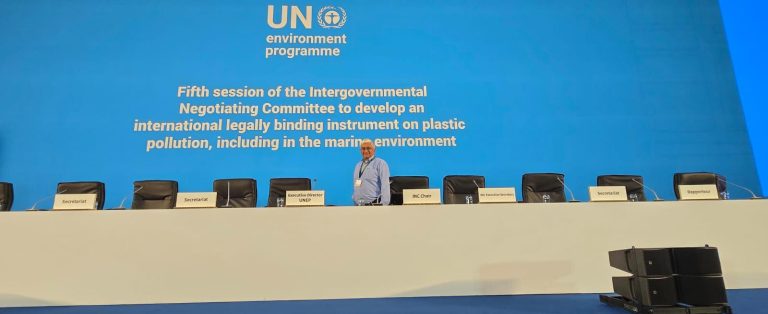
Over 3900 delegates and government delegations had assembled in Busan

South Korea for INC 5 the 5 th Session of the Inter Governmental Negotiating Conmitte for the Global Plastic Treaty which began on 25 Nov 2024 and the plenary session ended at about 3.15 am of Dec, 2  2024

Nothing is agreed till every thing is agreed and there will be INC 5.2 to discuss where it was left

The Chair’s fourth version of the non-paper, released on November 29, 2024, followed informal consultations with member states. While this draft offered a semblance of progress, the next two days of closed-door talks appeared to mark a turning point.

The Chair’s text, released on December 1, reflected significant dilution, with its ambition noticeably reduced compared to earlier versions. What was once a bold attempt to combat plastic pollution had been tempered into a document that secured broad agreement Countries like Rwanda, Mexico, and Panama advocated for a stronger treaty, particularly around contentious issues such as plastic production and the regulation of hazardous chemicals. Their interventions highlighted the need for a treaty that addresses the root causes of plastic pollution rather than merely treating its symptoms. These nations argued for meaningful action to curb production and hold industries

Despite these challenges, the Chair’s December 1 text will serve as the basis for further negotiations. This text contains some positive elements, including a strengthened focus on human health and the lifecycle of plastics. It provides clear definitions for key terms such as plastic, plastic pollution, and plastic waste, offering a foundation for consistent interpretation and implementation. Additionally, the inclusion of annexes listing banned products and chemicals is a significant step toward coordinated global action. Provisions addressing single-use and short-lived plastics, with prescribed phase-out timelines, demonstrate a commitment to reducing the most harmful types of plastic pollution.

The text also emphasises transparency, mandating the reporting of statistical data and making publicly available a list of exemptions granted to Parties and Regional Economic Furthermore, the document prohibits open dumping and burning of plastic waste—practices that contribute significantly to environmental degradation and public health hazards.

Sectoral focus is another strength of the text. It addresses emissions from fishing gear, plastic pellets, and microplastics from all sources, recognising their role as major contributors to marine pollution.

India Government Representatives did good work and that was echoed by the support from many countries

From India all the MEA, MOEFCC and DCPC team were very receptive and heard us excellently. Also their untiring discussion with like minded country teams helped gain support in the INC-5

India has shown their strength and Like minded country support.

India expressed views of not cutting down on plastic production and finding mechanisms of financing and addressing chemicals of concern

At INC5.2 there is hope that all the countries can work out solution to plastic pollution for a better planet

(The Author attended INC 5 and is thankful for inputs from various people and organizations)

https://www.unep.org/

#unep#modernplasticsindia #modernplasticsasia #modernplastics#plasticsnews#plasticsplanet #modernrecyclingindia#modernplasticsglobal#modernplasticsworld#plasticstalk#modernplasticsgermany#modernplasticsnetwork #plasticdevelopment

Graphene Nanotubes for Conductivity in PET Fibers: Functionality and Aesthetics

0

Graphene Nanotubes for Conductivity in PET Fibers:Functionality and Aesthetics

  • Graphene nanotubes give PET fibers stable, permanent electrical conductivity meeting safety standards for electronics, clean rooms, and workwear.
  • Compared to previous-generation additives, nanotubes offer superior functionality and maintain flexibility, durability, hypoallergenic properties, and customizable color options.
  • Expected further applications for innovative PET fibers include foldable electronic components, wearable tech, and protective clothing.

Polyethylene terephthalate (PET) fibers, valued for their high strength, low weight, and resistance to moisture, UV radiation, and chemicals, are essential in various high-performance applications. But electronics, clean room environments, and industrial workwear demand an additional functionality for insulative fibers: electrostatic discharge protection. Traditionally, metal wires or carbon black were used to achieve conductivity in thermoplastic polymer fibers, which often limited design options, could cause allergic reactions, and could result in difficulties with color fastness, especially under rigorous testing standards such as AATCC TM61. More importantly, the physical properties of carbon black-based conductive fiber are insufficient for this purpose; the fiber must be processed into a composite yarn before weaving.

Taiwan-based YAO I Fabric Co., Ltd., a prominent manufacturer of specialty fibers, has unveiled innovative conductive PET fibers with the brand name FLEX  Yarn that are enhanced with TUBALL  graphene nanotubes from OCSiAl. With a nanotube dosage of just 0.001 to 0.05 wt.%, FLEX  Yarn exhibits stable electrical resistances of 105~106Ω/cm and 102~103Ω/cm, while retaining its flexibility, color vibrancy, and hypoallergenic properties. Ready-to-use nanotube-based solutions drive streamlined production by allowing nanotube integration in unique carbonization fusion technology (CFT) spinning processes, saving both time and cost for customers.

“The ultralong structure of graphene nanotubes allows them to form a 3D network inside the material throughout its entire volume, ensuring uniform conductivity across the fiber without carbon release. This enhances anti-static and electromagnetic interference (EMI) protection without compromising color or comfort,” said Ray Lu, Senior Manager, YAO I Fabric Co., Ltd.

“The series of FLEX  Yarns with graphene nanotubes offers a sustainable solution, combining the durability and recyclability of PET with the high efficiency of TUBALL at an ultralow dosage. The enhanced functionality of this fiber makes it a multipurpose material for high-tech applications,” added Otis Wang, General Manager, YAO I Fabric Co., Ltd.

“Graphene nanotube-enabled PET fibers are an ideal material for use in foldable electronic components, wearable tech, and protective clothing,” commented Albert Lin, Sales Director Taiwan, OCSiAl Group. “These fibers deliver a unique combination of aesthetic appeal, comfort, and functional performance for modern industrial needs.”

www.tuball.com

www.ocsial.com

#.tuball.#.ocsial.#modernplasticsindia #modernplasticsasia #modernplastics#plasticsnews#plasticsplanet #modernrecyclingindia#modernplasticsglobal#modernplasticsworld#plasticstalk#modernplasticsgermany#modernplasticsnetwork #plasticdevelopment


SABIC Debuts LNP ELCRES CXL PC Copolymers To Address High Chemical Exposure In Mobility, Electronics, Industrial And Infrastructure

0

SABIC Debuts LNP  ELCRES  CXL PC Copolymers To Address High Chemical Exposure In Mobility, Electronics, Industrial And Infrastructure

  • SABIC is introducing advanced polycarbonate copolymer resins offering exceptional chemical resistance targeted at mobility, electronics, industrial and infrastructure applications.
  • New LNP ELCRES  CXL copolymer resins can help extend the lifespan of components to support sustainability, protect OEM brand reputation and preserve product value.
  • Also available are ISCC PLUS certified bio-renewable versions of these new materials, supplied under the LNP ELCRIN  CXL brand and part of SABIC’s TRUCIRCLE 

Bergen op Zoom, The Netherlands, December 12, 2024 – SABIC, a global leader in the chemical industry, introduced today its new LNP  ELCRES  CXL polycarbonate (PC) copolymer resins featuring exceptional chemical resistance. These specialty materials are well suited to help customers in the mobility, electronics, industrial and infrastructure markets address increased exposure to harsh chemicals that can cause environmental stress cracking and premature failure. In addition to providing higher chemical resistance than incumbent materials, LNP ELCRES CXL copolymer resins can enhance part durability and reliability with excellent low-temperature impact resistance and weatherability.

“Several trends are contributing to greater chemical exposure for plastic parts,” said Maureen MacDonald-Stein, Director, Portfolio Strategy and Marketing, SABIC Polymers, Specialties business. “Heightened concerns about cleanliness have persisted after the pandemic, prompting consumers to frequently disinfect surfaces from smartphone displays to EV charger handles. The growing popularity of wearables and the constant use of smartphones bring electronics into ongoing contact with skin oils, lotions and other personal care products. Our new LNP ELCRES CXL materials help maintain part performance and aesthetics, even as chemicals become more aggressive and exposure intensifies.”

Chemically Resistant PC Copolymers for Multiple Industries

The new LNP ELCRES CXL copolymer resins can deliver remarkable chemical resistance, exceeding the performance of traditional amorphous materials like polycarbonate (PC) resins and acrylonitrile-butadiene-styrene (ABS) blends. SABIC’s internal testing revealed that LNP ELCRES CXL copolymer resins are highly resistant to diverse chemicals found in the mobility, industrial, infrastructure and electronics sectors. Representative mobility and infrastructure chemicals were tested. They include gasoline, antifreeze, caustic soda (5% solution) and a number of related chemicals. For industrial applications, testing against typical chemical exposures included tar remover, brake fluid and many other substances. In cases where consumers interact with mobility, industrial and infrastructure devices, LNP ELCRES CXL copolymer resins can offer improved chemical resistance to the components found in hand creams, sunscreens, insect repellents, cleaning solutions and hand sanitizers.

The new SABIC CXL portfolio offers a wide range of products, including opaque and transparent non-flame retardant (FR) grades, opaque, thin-wall FR grades and glass-reinforced options. These materials also deliver value-added features such as non-brominated/non-chlorinated FR at thin gauges, low-temperature ductility (down to -60oC), high flow for easy processing and good colorability to meet aesthetic requirements. They can meet both ultraviolet (UV) and water immersion requirements (f1 rating) for outdoor suitability under UL 746°C.

To help provide a path toward carbon neutrality, SABIC offers ISCC PLUS certified bio-renewable versions of the new materials, supplied under the LNP ELCRIN  CXL brand. They use bio-based alternative feedstocks with a lower carbon footprint compared to traditional feedstocks. These bio-based grades can reduce carbon dioxide (CO2) emissions compared to traditional counterparts, while delivering the same performance. These grades are new additions to the company’s TRUCIRCLE™ program, which are products and services that aim to help companies around the world meet their sustainability goals.

“Our LNP ELCRES CXL copolymer resins can help manufacturers and brands keep pace with the increasing risks of performance and aesthetic degradation posed by more-widespread use of chemicals,” said Scott Fisher, General Manager, Technology, SABIC Polymers, Specialties business. “Our proprietary copolymer technology rises to the challenge of protecting applications from damage and loss of value caused by these substances. By helping to extend the useful life of components, LNP ELCRES CXL materials contribute to sustainability, brand reputation and customer satisfaction.”

www.sabic.com

Food Africa and Pacprocess MEA Again with Significant Increase in Visitor Numbers

0

Food Africa and Pacprocess MEA Again with Significant Increase in Visitor Numbers

More exhibitors, more space, more visitors: Food Africa and pacprocess MEA 2024 were held from 3 to 5 December in Cairo and served as the central platforms for the food, beverage, processing and packaging industries in the MEA region and Africa. More than 1,000 exhibitors from 35 countries took the opportunity to showcase their innovations.

With a total of 31,000 visitors, the interpack alliance trade fair duo set new standards and impressed both with its international composition and the high level of expertise of the participants. Matchmaking formats and a high-calibre supporting programme helped visitors to make new contacts and discover innovative solutions for the industry.

Thomas Dohse, Director of interpack, emphasises: “This year’s pacprocess MEA and Food Africa have shown how much the industry benefits from a platform that combines innovation and networking in an exciting market, and is also supported at the highest political level. We look forward to building on this success in the future. Food Africa celebrates its tenth anniversary next year. The importance of the event to the industry was evident at the opening ceremony, which was attended by H.E. Minister Sherif Farouk Minister of Supply & Internal Trade, Maj. Gen. Eng. Ehab Mohamed Amin, Chairman of the Industrial Control Authority, H.E. Minister Hassan El Khatib Minister of Investment & Foreign Trade. Their presence underlines the importance of the two exhibitions in promoting the food and packaging industry in the region.

Global participation at a top level

With more than 1,000 exhibitors from 35 countries, Food Africa and pacprocess MEA 2024 set a new attendance record. Spread across five exhibition halls, they offered a comprehensive range of innovations and solutions that could have a lasting impact on the African and MEA markets. Highlights of this year’s event included the 14 country pavilions and more than 500 hosted buyers. The B2B matchmaking programme was well received and encouraged a dynamic exchange of ideas and partnerships.

Focus on important industry topics

The concurrent conferences focused on the most pressing challenges and opportunities facing the industry. Key topics at the Food Africa conference included Egypt’s Vision 2030 for the food and agriculture industry, opportunities in the tomato industry and the signing of a landmark Memorandum of Understanding between the National Bank of Egypt (NBE) and Mahaseel, while pacprocess MEA 2024 focused on sustainable packaging solutions and the circular economy. Other topics included material innovation, green transformation and SME development.Focus on sustainability and innovation

Reducing food loss and waste was a particular focus of pacprocess MEA’s sustainability programme. Panel discussions and award ceremonies, such as the ‘Sustainability Design Award’, recognised innovative solutions. This year’s winners were MULTIVAC Sepp Haggenmüller with the Gold Award, Theegarten-Pactec in Silver and Filling & Packaging Materials MFG. Co. (FIPCO) in bronze. The SAVE FOOD initiative also showcased other groundbreaking approaches to global food security and provided important impetus to the industry. The highlight was the award of this year’s SAVE FOOD Project Competition to Tomato Jos Farming and Processing. The jury consisted of experts from FAO (Food and Agriculture Organisation), UNIDO (United Nations Industrial Development Organisation) and WPO (World Packaging Organisation).

The 2025 edition of the two shows is eagerly anticipated and promises to once again inspire and drive the industries forward. The next Food Africa and pacprocess MEA will take place from 9-11 December 2025.

www.foodafrica-expo.com

www.pacprocess-mea.com  

#foodafricaexpo#pacprocessmea#modernplasticsindia #modernplasticsasia #modernplastics#plasticsnews#plasticsplanet #modernrecyclingindia#modernplasticsglobal#modernplasticsworld#plasticstalk#modernplasticsgermany#modernplasticsnetwork #plasticdevelopmet

Redefining Paper Strength: Mondi And Dobis Innovate With Lighter, Paper Shopping Bags Containing Recycled Fibres

0

Redefining Paper Strength: Mondi And Dobis Innovate With Lighter, Paper Shopping Bags Containing Recycled Fibers

  • Mondi is partnering with Dobis to enhance the efficiency of producing sustainable paper shopping bags for the fashion, fast food, and retail sectors.
  • Dobis is leveraging Mondi’s expertise in paper grades and recycled content to optimise quality and reduce weight.
  • The collaboration has resulted in reduced material consumption, improved print quality for Dobis, while maintaining high standards of strength.

Mondi, a global leader in sustainable packaging and paper, has collaborated with Dobis to increase efficiency in the production and reduce paper grammages of their paper shopping bags for the fashion, fast food and retail industries.

Dobis, a Polish converter specializing in the production of paper bags, has long been known for its focus on production efficiency and modernised operations.

In its quest for excellence, Dobis has leveraged Mondi’s expertise to optimise its paper grades and successfully reduce paper weight without sacrificing the strength and print quality required for premium shopping bags. By transitioning to lighter weight papers, Dobis has not only been able to reduce material consumption, but also improve print quality and achieve clearer results with less ink, supporting the company’s sustainability goals.

Gerhard Pachler, Regional Sales Director Speciality Kraft Paper at Mondi, says: “Over the past three years, Dobis has relied on Mondi’s broad portfolio of paper products, ranging from 100% fresh fibre to papers with recycled content. The collaboration has helped us to do extensive research to test and select the ideal papers for different applications so that Dobis can meet its high quality and efficiency standards.”

Mondi supplies Dobis with a wide range of papers for converting, one of them being Mondi’s Eco/Vantage range. Eco/Vantage Light Fashion, which is made from 100% recycled fibres, is perfect for fashion and gift bags. Eco/Vantage Kraft Pro, with a recycled content of 20% and ISEGA food approval, is ideal for fast food and grocery applications. Eco/Vantage Kraft Classic, with a recycled content of 50%, combines strength and printability for food and fashion packaging, perfect for Dobis’s needs.

Arkadiusz Starzyński, Sales Director at Dobis says: “With Mondi, Dobis is pushing the boundaries of sustainable paper bags. By using Mondi’s Eco/Vantage paper with water-based inks, Dobis has achieved high-speed production with lower ink consumption and lower costs. In addition, by optimising the paper quality, we have minimised glue consumption during folding and gluing, thereby achieving our sustainability goals.”

www.mondigroup.com

#mondigroup #modernplasticsindia#modernplasticsasia #plasticsislife #plasticstalk #modernplastics#modernplasticsworld #pasticsnews #plasticsisgood #plasticsplane#plasticsrecycling#plasticmagazine #plasticIndustry#modernplasticsmiddleeast#indianmagazine#innovations #modernplasticsamerica #modernplasticsbangladesh #modernplasticsasia #modernplasticsitaly

Top Technicians Steal the Spotlight at Automechanika Dubai 2024’s Pitstop Challenge Competition

0

Top Technicians Steal the Spotlight at Automechanika Dubai 2024’s Pitstop Challenge Competition

Rohith Punathil, from Royal Swiss Auto took first place in the Know Your Tire competition, which was this year’s theme for the PitStop Challenge

Automechanika Dubai 2024 concluded today at the Dubai World Trade Centre, bringing together 2,228 global exhibitors from more than 62 countries

Automechanika Dubai 2024 ended on a high note today with the grand finale of the PitStop Challenge. Designed to spotlight the best in automotive repair and maintenance, the competition brought together technicians from across the industry to showcase their expertise under intense pressure.

Automechanika Dubai 2024 is the largest event for the automotive aftermarket industry in the wider Middle East region, bringing together 2,228 global exhibitors from more than 62 countries to showcase innovation, foster connections, and drive the future of mobility.

The adrenaline-fueled PitStop Challenge saw auto refitters, body repair specialists, and collision repair technicians go head-to-head in the Know Your Tire competition, where they were tasked with demonstrating their knowledge, expertise, agility, and precision, highlighting their technical skills in a fast-paced environment.

Outperforming the competition, Rohith Punathil from Royal Swiss Auto claimed first place, showcasing unique technical expertise. The first and second runner up spots were secured by Randy Bilaos from Dubai Government Workshop and Christian San Jose from Al- Futtaim, respectively, who demonstrated exceptional focus and speed.

Mahmut Gazi Bilikozen, Portfolio Director at Messe Frankfurt Middle East, said: “It is always a privilege to witness the energy and talent that these challenges bring to Automechanika Dubai. This year’s challenge epitomised the event’s spirit—celebrating expertise,

innovation, and passion within the automotive industry. Congratulations to all our winners. This marks the conclusion of yet another successfuledition of Automechanika Dubai, and we look forward to welcoming the industry back next year for more innovation, collaboration, and excitement.”

www.messefrankfurt.com

#messefrankfurt#modernplasticsindia #modernplasticsasia #modernplastics#plasticsnews#plasticsplanet #modernrecyclingindia#modernplasticsglobal#modernplasticsworld#plasticstalk#modernplasticsgermany#modernplasticsnetwork #plasticdevelopment

Tag Systems UK Spearheads Sustainable Gift And Loyalty Card Innovation With Investment In A RICOH PRO C9500

0

Tag Systems UK Spearheads Sustainable Gift And Loyalty Card Innovation With Investment In A RICOH PRO C9500

Ricoh And Green Gift Cards Partnership Bears Fruit

Leading global gift and loyalty card specialist Tag Systems UK (member of AUSTRIACARD HOLDINGS), is spearheading an innovative approach to sustainable gift and loyalty card production following investment in a Ricoh Pro C9500 digital colour sheet fed press.

Operating from a 120,000 sq. ft. Visa and MasterCard secure facility in Lancashire England, Tag Systems UK has been co-innovating with Green Gift Cards, a British developer of environmentally friendly cards, to produce a wide range of sustainable options, on Ricoh’s Pro C9500 technology. The result is the creation of new long term opportunities in the production of gift and loyalty cards.

Valued at $984.3 billion in 2023, the global gift card market is expected to reach a huge $3.09 trillion by 2030. But much of the production is plastic based. Nat West Bank research found that the lack of recycling options meant more than 76 million cards, or 380 tonnes of plastic waste went to landfill between 2017 and 2023 in Great Britain alone.

It is not only disposal that is an environmental challenge. Most cards are currently printed on non recyclable PVC plastic that have an associated carbon emission impact of 46.97gCO2e per card when digitally printed. Cards that are digitally printed on a paper based substrate are fully recyclable and have a carbon emission impact of just 4.28gCO2e each*.

To date production of rigid, high caliper, digitally printed paper based stock was not possible on dry toner presses, but the latest technology evolution of the Pro C9500 now enables printing on a range of Ricoh approved papers of up to 800 micron.

This versatile and responsive digital production process also supports the profitable and cost effective provision of short runs, targeted offers, and localized promotion with inline personalization and coding capabilities.

Ronnie Hart, President, Tag Systems UK (member of AUSTRIACARD HOLDINGS), comments: “It is clear the gift card market is ready for this innovative solution that has been co-created with Green Gift Cards and Ricoh. It can help brands deliver the same high quality, vibrant and attractive product, but in a responsible way that enables them to achieve their sustainable goals. They can also develop cost efficient short run, responsive, customized offerings that connect more engagingly to improve consumer experience and foster loyalty.”

The crisp, vibrant, sharp, details possible present opportunities for the production of a wide range of applications as well. These range from premium thick media brochures and bespoke luxury packaging to compostable food cartons, high impact direct mail inserts, and eyecatching point of purchase.

Data for customised production can be managed by FusionPro for versioning and personalization, while RICOH ProcessDirector and Green Gift Cards’ own web to print solution JARVIS enable companies to create gift card orders, at any time, via a fast, intuitive step by step process.  They can also track progress in real time. This saves time, speeds up proofing to production, eliminates unnecessary costs, and ensures the client has control over the whole process.

Erwin Busselot, Director Business Innovation & Solutions, Graphic Communications, Ricoh Europe, says: “This new opportunity has been developed through co-innovation with all three parties – each of whom are leaders in their fields. The result is a clear approach to market for the production of sustainable gift cards that have a greatly reduced environmental impact compared to their plastic alternatives. Tag Systems UK is the latest of a growing number of clients in Europe and further afield take advantage of this wonderful high margin opportunity, particularly with the enhanced Pro C9500 and improved software capabilities.”

www.ricoh.com

#ricoh#modernplasticsindia#modernplasticsasia #plasticsislife #plasticstalk #modernplastics#modernplasticsworld #pasticsnews #plasticsisgood #plasticsplane#plasticsrecycling#plasticmagazine #plasticIndustry#modernplasticsmiddleeast#indianmagazine#innovations #modernplasticsamerica #modernplasticsbangladesh #modernplasticsasia #modernplasticsitaly

New Training Cohort Immerses Itself In Arburg Company History

0

New Training Cohort Immerses Itself In Arburg Company History

  • 75 years of Arburg training: Interactive campaign on the company’s history
  • “Group experience trip”: New trainees and students learn more about the company’s history in workshops
  • Company archive: Exciting tasks in multimedia format

Those who know more about the history of their company are also more emotionally connected to it, and this year Arburg is celebrating 75 years of training. Two good reasons for the machine manufacturer’s first “History Week” in Lossburg. From 5 to 11 December 2024, the new trainees and students delved deep into the company archive during workshops and experienced Arburg’s history in an active and multimedia way.

Katharina Depner, company archivist at Arburg, has designed a one-hour “group adventure trip” for the 2024 training year. The participants were actively introduced to the company’s historical highlights in four exciting workshops.

“Group adventure trip” to the archive

In groups of ten to 20 people each, the new trainees and students familiarised themselves with the company archive and its “treasures” in detail. The prospective cutting machine operators and mechatronics technicians started on 5 December, followed by the industrial and construction mechanics, IT specialists and electronics technicians and finally, on 11 December, the warehouse logistics specialists, industrial clerks and students from the dual universities. Katharina Depner describes the aims of the four workshops as follows: “Trainees and students should be able to engage directly with our company history together and experience it using striking examples.”

Topics on company history developed

Each group began their workshop with an introduction to the company archive. The young visitors then split into three teams to work on three set topics. Firstly, the participants had to put the entire Arburg company complex together correctly using a “building puzzle”. They then focussed on the differences in training between the past and present and the development of the professions. The trainees and students were given the opportunity to familiarise themselves with the training chronicle and work with it. The third part of the workshop focussed on the world of work. Questions that arose here included how people worked in the office at Arburg back then.

In a feedback round, the trainees described the workshops as very informative and interesting. They particularly liked the many “tangible” historical exhibits, such as an old time clock, as well as a video from 1982, which showed the company’s state-of-the-art production technologies at the time. Between all the insights and the newly acquired knowledge, this excursion into the past was a complete success and an appealing format for providing information about the exciting history of Arburg.

Broad knowledge transfer in 75 years of training

In the anniversary year of the Arburg apprenticeship programme, the “History Week” is one of many activities to draw attention to the company’s training expertise and broad knowledge transfer. Trainer Marius Singer sees the benefits of the campaign in the company archive primarily in integrating the young employees into the Arburg family right from the start: “We wanted to familiarise our 75 trainees and students with ’75 years of training at Arburg’ in a special setting. The young people should be able to understand the development of ‘their’ company. This has a positive influence on the identification between the company, trainees and students right from the start.” If the analysis of the workshops produces a positive result, they will be continued in the coming years. More about “75 years of Arburg training” can also be found on the Instagram channel of the Arburg rookies: https://www.instagram.com/arburg_rookies/?hl=de

www.arburg.com

#arburg#modernplasticsindia #modernplasticsasia #plasticsislife

#plasticstalk #modernplastics #modernplasticsworld #plasticsnews

#plasticsisgood #plasticsplanet #plasticsrecycling

Covestro To Invest In Pilot Plant For Recycling Of Elastomers

0

Covestro To Invest In Pilot Plant For Recycling Of Elastomers

  • Pilot plant will be built in Leverkusen, Germany
  • Novel chemical recycling process for elastomers made of Vulkollan
  • Technology offers recycling solution and additional carbon footprint reduction for high performance elastomers

Covestro, a world-leading supplier of high-tech polymer materials, is announcing plans to build a pilot plant for recycling of elastomers. The investment in the double-digit million euro range is used to fund the development and construction project of the state-of-the-art pilot plant at Covestro’s site in Leverkusen, Germany. The construction is estimated to take about one year until technical completion.

This technological development to recycle Vulkollan marks an important step towards more sustainability in the elastomers industry. The technology enables to not only recycle a mass fraction of more than 90% of the end-of-life material like forklift tires, but also to reduce the carbon footprint by up to two thirds compared to virgin material.

“The pilot plant and with it our commitment to proving the feasibility of recycling for elastomers demonstrates our clear commitment for circular solutions and marks an important milestone for our elastomer products”, states Dr. Thomas Braig, Head of the Elastomers business entity. “With the successful scale-up of this new recycling process we address the demand of our customers for end-of-life solutions and carbon footprint reduction while assuring the high quality of our elastomer products. At the same time, this pilot plant is an invitation for players along the value chain to cooperate on developing a circular setup and the reverse value chain for end-of-life materials.”

Pioneering Chemical Recycling for Elastomers

Covestro customers use Vulkollan systems to mold parts for many applications with a high demand for durability and performance. Typical applications for parts made of Vulkollan are wheels for forklifts, bumper elements in railways and vibration control elements and jounce bumpers in cars. The excellent quality of Vulkollan allows more sustainable and cost-efficient operation of the target application through longer lifetime, longer maintenance intervals and less unplanned shutdowns. Due to the high yield of the recycling process, end-of-life Vulkollan materials can be re-introduced into new automotive jounce bumpers and forklift tires via a mass balancing approach.

The new chemical recycling process is a game-changer for the elastomers industry. Unlike mechanical recycling methods, this approach breaks down elastomeric end-of-life material into its chemical building blocks, to obtain purified monomers that can be re-used for these materials with known and proven quality.

Driving Sustainability and Industry Collaboration

“The new chemical recycling process addresses the unique challenges of elastomer materials, which are trusted to be very resistant and long lasting. Downcycling is not an option for this high-performance application,” explains Markus Dugal, Head of Process Technology at Covestro. “This technology allows us to recycle a high mass fraction of the end-of-life material and, in this way, to reduce the environmental impact of our elastomer production. It is a testament to Covestro’s innovative spirit.”

The pilot plant will play a crucial role in refining the recycling process beyond lab scale, testing the process with various waste streams and with various end-of-life materials. It will also serve as a platform for Covestro to engage with potential project partners and customers, paving the way for the development of a larger commercial recycling plant in the future.

Covestro’s investment in elastomers recycling aligns with its broader strategic goals of reducing environmental impact, promoting circular economy principles, and maintaining its position as an innovation leader in the polymer industry. The company invites potential partners and customers interested in circular elastomer solutions to engage in discussions about future collaborations and applications and prove the environmental benefit of the solution along the value chain.

www.covestro.com.

#covestro#modernplasticsindia #modernplasticsasia #plasticsislife

#plasticstalk #modernplastics #modernplasticsworld #plasticsnews

#plasticsisgood #plasticsplanet #plasticsrecycling