Friday, June 19, 2026
spot_img
Home Blog Page 28

The Gateway to Cambodia’s Industrial Future: Innovation, Growth, and Strategic Partnerships

The Gateway to Cambodia’s Industrial Future: Innovation, Growth, and Strategic Partnerships

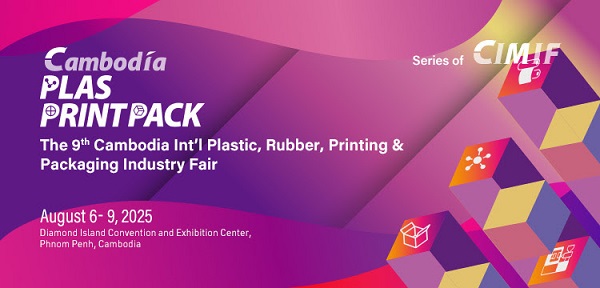
When the Cambodia International Plastics, Printing & Packaging (PPP) Industry Fair opens its doors from August 6th to 9th, 2025, it will mark more than just another trade event — it will signal a renewed push for industrial modernization in one of ASEAN’s most dynamic emerging economies. Organized by Chan Chao International and Yorkers Trade & Marketing Service, in cooperation with the Cambodia Chamber of Commerce and backed by Cambodia’s Ministry of Commerce and the Korea Packaging Association, this second edition of CamboPlasPrintPack will gather local manufacturers, international suppliers, government officials, and industry thought leaders under one roof at Phnom Penh’s Diamond Island Convention and Exhibition Center. For four days, the venue will transform into a vibrant hub where business deals are struck, knowledge is exchanged, and a clearer vision for Cambodia’s industrial future comes into focus.

Cambodia’s industrial momentum has been steadily building for over a decade. Despite global headwinds and pandemic disruptions, the country’s GDP is forecast to grow by over 6% in 2025 — thanks in part to rising domestic consumption, robust foreign investment, and an ambitious push to improve logistics and infrastructure. Within this context, the plastics, printing, and packaging sectors have become vital enablers for Cambodia’s light manufacturing and export-oriented growth. As rising incomes fuel demand for consumer goods, packaged foods, electronics, and e-commerce, local businesses are under pressure to modernize their production lines and deliver cost-effective, high-quality, and increasingly sustainable packaging solutions.

For many exhibitors and visitors alike, the 2025 fair could not come at a better time. The show is expected to attract upwards of 8,000 qualified trade visitors, from brand owners and distributors to converters and machinery buyers. In addition to the main event, it will run concurrently with the Cambodia International Textile & Apparel Accessories Exhibition, creating valuable cross-industry synergies. Attendees will have the opportunity to explore a vast array of solutions, from high-speed extrusion lines and blow molding machines to advanced flexographic and digital printing systems, biodegradable packaging innovations, and smart labeling technologies. Live demonstrations will help local manufacturers see these systems in action — an invaluable experience for decision-makers who still rely heavily on traditional processes.

What makes the Cambodia PPP Industry Fair especially significant is that it’s not just about selling equipment. It’s about plugging Cambodian businesses into a broader regional value chain and equipping them with the tools to compete. Over the past few years, Cambodia has stepped up its commitment to public-private partnerships (PPPs), aiming to deliver major infrastructure improvements — from the new Phnom Penh–Sihanoukville expressway to energy plants and the headline-grabbing Funan Techo Canal project. The canal alone, set to be the country’s largest infrastructure project to date, will link Phnom Penh to the Gulf of Thailand and the South China Sea, dramatically reducing transport costs for inland manufacturers and exporters. Such developments hold the promise of making Cambodia not only more self-sufficient but also better connected to the region’s supply chains.

However, infrastructure alone isn’t enough. To capitalize on these improvements, local manufacturers need advanced machinery and technical know-how. This is where CamboPlasPrintPack 2025 comes in. For international machinery suppliers, Cambodia remains a relatively untapped market with enormous potential. For Cambodian companies, the fair offers a chance to discover technologies that can help them reduce production costs, meet export standards, and pivot towards more sustainable business models. The push for sustainability is especially important: as ASEAN countries tighten regulations on single-use plastics and introduce circular economy initiatives, local producers are eager to learn about biodegradable materials, recycling-friendly designs, and ways to minimize waste in production.

Another key element of the fair will be the structured networking and business matching services provided by the organizers. With support from the Ministry of Industry, Science, Technology and Innovation (MISTI) and the Korea Packaging Association (KOPA), the event will host technical seminars and panel discussions where industry veterans can share insights on topics like risk management, regulatory trends, packaging design innovation, and new export opportunities. Such knowledge-sharing is vital for small and medium-sized enterprises (SMEs) that make up the bulk of Cambodia’s industrial base. Many still face challenges related to limited technical capacity, supply chain disruptions, and a lack of clear pathways for sustainable growth.

For exhibitors, the benefits go far beyond the event’s four days. Each company gains exposure through the official show catalog, ensuring their brands remain visible to buyers and partners well after the fair ends. This marketing boost is invaluable, given Cambodia’s highly competitive yet still-maturing industrial sector. It is precisely this blend of opportunities — real business leads, sector insights, and relationship building — that makes CamboPlasPrintPack a must-attend for stakeholders serious about tapping into Cambodia’s growth story.

All of this unfolds within a bigger regional narrative: Southeast Asia’s ongoing shift toward becoming a diversified manufacturing powerhouse. With production costs rising in traditional strongholds like China and Thailand, Cambodia’s strategic location, open trade policies, dollarized economy, and young workforce offer an attractive alternative for investors looking to hedge supply chain risks and expand capacity. Events like the Cambodia International Plastics, Printing & Packaging Industry Fair provide the platform to translate these macroeconomic advantages into tangible deals and long-term partnerships.

Ultimately, success for the 2025 edition won’t just be measured by the number of booths filled or the footfall on the exhibition floor. It will be judged by whether Cambodian manufacturers find the solutions they need to upgrade their operations, whether sustainable technologies take root, and whether meaningful connections form between local and international players. In a world where industrial competitiveness depends as much on collaboration and knowledge transfer as on machines and raw materials, CamboPlasPrintPack 2025 represents a critical bridge between ambition and action.

For Cambodia, the stakes are high — and the rewards could be transformative. By aligning infrastructure development, industrial upgrading, and regional partnerships under the PPP framework, Cambodia is laying the groundwork for a more resilient, diversified, and forward-looking manufacturing sector. And for everyone who walks through the doors of the Diamond Island Convention and Exhibition Center this August, the fair will offer more than a glimpse of the industry’s future. It will be a place where ideas become investments, connections become contracts, and a young industrial nation takes one more confident step onto the regional stage.

https://www.chanchao.com.tw/CambodiaPPP/

#CamboPlasPrintPack2025 #Modernplasticsindia #Pasticsnews
#ModernPlasticsIndiaMagazine #PrintPublication #Modernplasticschina

Smarter, Cleaner, Faster: Next Gen Plastics Technologies Debut at K 2025

Smarter, Cleaner, Faster: Next Gen Plastics Technologies Debut at K 2025

ENGEL will showcase the successful integration of technical innovation, digital intelligence, and sustainability at K 2025. The presentation at the trade show focused on industry-specific injection molding solutions that help businesses produce goods more accurately, flexibly, and efficiently. From fully integrated production cells for the automotive, medical, technical molding, and packaging industries to the application of artificial intelligence in the operating injection molding process, they will demonstrate its technologies and solutions in real-world settings. In addition to seeing the world premiere of a new electric tie-bar-less injection molding machine, visitors are welcome to visit ENGEL’s display in Düsseldorf to obtain a thorough overview of future-proof applications.

Automotive: Efficient mastery of function, lightweight design and new materials

Functionalised rear-end-lights are produced on the ENGEL duo 700 – with high precision and using clearmelt and foilmelt in a single integrated process with a compact footprint. Image source: ENGEL

Where design meets function: rear-end-light modules with clearmelt and foilmelt without hardcoating

They are demonstrating the highly integrated series production of innovative rear-end-lights on a high-performance duo 700 two-platen injection moulding machine with 7000 kN clamping force. The visible parts, measuring 600 x 240 mm, are manufactured using a combination of decorative foilmelt and functional clearmelt technologies in a vertical rotary table mould. In addition to design freedom, downstream processes are integrated into the injection moulding cell, and a separate hardcoating process is no longer required thanks to clearmelt. While the colour design from a decorative foil is applied to the component on one mould side by back-injection of thermoplastics (foilmelt), the opposite side is overflooded with polyurethane (clearmelt) to form a highly transparent and robust protective layer. A space-saving integrated automation system with a viper 40 linear robot enables short cycle times within a compact and efficient cell. The transfer foil is supplied by LEONHARD KURZ. At the partner’s stand, the component is further processed using an integrated LED function foil.

With this application, ENGEL demonstrates how visible parts in the automotive sector can be both functionalised and decorated – economically, with high precision, and in a compact production process.

Overmoulding with liquid silicone: precision seals for fuel cells

A production cell with a vertical insert 150 injection moulding machine, offering 1500 kN clamping force, demonstrates the fully automated manufacturing of liquid silicone rubber (LSR) seals on sensitive gas diffusion layers (GDL) for fuel cells. The LSR seal is applied with absolute platen parallelism directly in the machine, inspected in the mould and the component is immediately removed. The automation system, featuring ENGEL easix articulated robot and a rotary table mould supplied by ACH, ensures short cycle times and high process reliability. To save space, the control cabinet is integrated directly into the machine frame. They are showcasing a highly cost-efficient solution for fully automated overmoulding with thin LSR layers in a compact footprint.

Unveiled at K 2025: the next evolution of electric tie-bar-less injection moulding machines. Image source: ENGEL

Lightweight, strong, sustainable: bicycle handlebars with fluidmelt and organomelt

A novel bicycle handlebar is manufactured as a hollow component on a tie-bar-less ENGEL victory 180 injection moulding machine with 1800 kN clamping force. The fluidmelt process is used to create the hollow structure, while unidirectional continuous carbon fibre tapes are simultaneously integrated using the organomelt process. This innovative combination of technologies enables maximum part performance with minimal weight and a short cycle time of just one minute. The process is fully automated with an easix articulated robot. With these technologies, ENGEL once again sets new benchmarks in production efficiency and sustainability – opening up new markets for plastic components in applications traditionally dominated by metal.

Cost-efficient and ready for series production: Physically foamed B-pillar trim using MuCell

A B-pillar trim component is produced in just 50 seconds using the ENGEL foammelt technology on a t-win 6500 two-platen injection moulding machine from the WINTEC brand, part of the ENGEL Group. The foamed part, weighing 290 g, is made of mineral-filled PP from Sabic. ENGEL’s foammelt technology reduces weight and cuts material and production costs while achieving excellent surface replication. Automation is handled by a highly integrated viper 20 robot. WINTEC here demonstrates a cost-effective solution for producing visible interior automotive components.

Lightweight and robust components made from 100 % post-consumer recyclate are produced on the all-electric ENGEL e-mac 220 – with up to 50 % less scrap thanks to ENGEL iQ weight control. Image source: ENGEL

High-precision manufacturing for medical products: Cell culture plates with accelerated validation

In the Medical area, ENGEL showcases a highly efficient injection moulding cell built around an all- electric e-motion 260 combi M injection moulding machine equipped with two injection units and a central rotary platen. Using a stack mould from Hack, 24-well cell culture plates and matching polycarbonate lids are produced simultaneously in a single shot – with a cycle time of just 11 seconds. The additional injection unit is arranged at an angle to shorten the hot runner path, enable central injection without weld lines and improve material protection. This manufacturing solution, featuring a side-entry robot from Ilsemann, delivers the entire process including assembly and packaging in a compact, ergonomic setup.

A key highlight is the validation solution jointly developed by ENGEL and toolmaker Hack. This system enables structured and digital documentation of all validation phases – from Design Qualification (DQ) to Performance Qualification (PQ). Machine- and tool-integrated sensor technology, combined with products from the ENGEL iQ family and standardised documentation modules, significantly reduce the effort required. As a result, the time- and personnel-intensive validation process is substantially shortened.

Technical Moulding: Saving resources and using installation space efficiently

Precision LSR seals for fuel cells are produced on the vertical ENGEL insert 150 – fully automated overmoulding with maximum accuracy in a minimal footprint. Image source: ENGEL

World premiere – New generation of electric tie-bar-less machines / Automated overmoulding of fittings

One of the highlights at the ENGEL stand is the world premiere of the latest generation of its electric tie-bar-less victory injection moulding machines. This new model is fast, clean, and energy-efficient, and also features a completely new technical design – delivering additional advantages for users.

On the new victory electric, fittings are produced with a cycle time of just 23 seconds. The mould includes large-volume core pulls, which are optimally supported by the free access provided by the tie-bar-less design. Thanks to ENGEL tie-bar-less technology, even large moulds can be used on comparatively small machines, saving space, energy and investment.

After injection moulding, the fittings are automatically equipped with seals. The production cell is equipped with two easix articulated robots to handle this step.

Blocks made from recycled material with high structural stability

On an all-electric e-mac 220 injection moulding machine with 2,200 kN clamping force, ENGEL is producing thick-walled, foamed construction blocks for the building industry. The material comes from yellow bag household waste, reprocessed by EREMA. Mould and foaming agent formulation are supplied by Moxietec. For optimum foam homogeneity, an optimised mixing screw is used during plasticising. The result: components with up to 30 % weight reduction and 10 % higher strength. This technology is particularly well suited for logistics pallets and as a substitute for concrete in construction applications.

As 100 % post-consumer recyclate with corresponding material fluctuations is processed, the new iQ weight control plus plays a key role. After defining just two parameters, the digital assistance system automatically adjusts the switchover point and pressure curve during every injection cycle. This reduces scrap by up to 50 %.

An integrated automation solution with servo sprue picker and an integrated conveyor belt inside the machine makes the cell particularly energy-efficient and compact.

Packaging: Scalable sustainability in series production Thin-walled cups with 30 % rPET produced using a stack mould

ENGEL is demonstrating a series-ready solution for processing rPET in thin-walled packaging on an all-electric e-motion 420 injection moulding machine with 4,200 kN clamping force. What was previously only feasible using hydraulic injection, ENGEL now achieves electrically. A 6+6-cavity stack mould from Plastisud is used to produce yoghurt cups made from 70 % virgin material and 30% bottle-grade rPET. The rPET is supplied by NGR and upgraded for food contact via Liquid-State Polycondensation.

This production setup delivers excellent repeatability at high performance. The combination of injection compression moulding, iQ motion control, and iQ weight control plus enables the manufacture of thin-walled, precise cups with minimal material usage. The application already complies with the requirements of the Packaging and Packaging Waste Directive for 2030. Moreover, it illustrates the potential to replace thermoforming as the preferred manufacturing process, enabling producers to save on upstream steps (film production) and material (trimming waste). ENGEL thus presents a practical example of how sustainability and precision can be combined in an economically viable production environment.

On the all-electric ENGEL e-motion 420, thin-walled cups with 30 % rPET are manufactured in series production using a stack mould – compliant with the Packaging and Packaging Waste Directive 2030. Image source: ENGEL

inject AI: Digital intelligence for real-world production benefits

Smart assistance systems with practical impact

With inject AI, ENGEL is taking its inject 4.0 programme to the next level. At K 2025, ENGEL will showcase the next step toward self-optimising machines by integrating artificial intelligence into many new and existing ENGEL products.

The iQ process observer monitors up to 1,000 parameters per shot, detects process deviations in real time, and provides AI-supported automatic correction suggestions – a key contribution to process optimisation and scrap reduction. The systems continuously learn from the data of all connected machines, creating added value for every new project – a genuine boost for quality and efficiency.

e-connect portal with AI: Digital support for every shift

In the event of machine or process faults, a new AI-supported feature in the e-connect portal provides machine-specific assistance – quickly, precisely, around the clock, and in all languages. Thanks to intelligent search functionality in the ENGEL machine manuals, downtime can be significantly reduced. The system will be available as a pilot series in time for K 2025.

Humans and AI – a team effort

ENGEL does not see AI as a replacement, but as a complement to human expertise. Adaptive assistance systems ease the burden on personnel, stabilise processes and increase equipment availability – an especially valuable benefit in times of skilled labour shortages. In this way, the self-regulating machine is gradually becoming a reality.

ENGEL – Your Partner for the Future

At K 2025, ENGEL is demonstrating how machines, automation, and digital systems can be combined into fully integrated manufacturing solutions. Each exhibit on the stand represents a production cell precisely tailored to meet specific customer requirements – and a well-considered, economically viable response to those needs. The exhibits are complemented by expert corners on topics such as plastification, technologies, temperature control, and training, where ENGEL presents customer-focused solutions.

Whether lightweight construction, the use of recyclates, validation, or process stability: ENGEL thinks in terms of solutions. The trade fair appearance encourages open, hands-on and forward- looking dialogue. Because while plastics processing may not be getting any easier, with ENGEL it remains manageable, flexible, and efficient.

www.engelglobal.com

#engelglobal #Modernplasticsindia #Pasticsnews #ModernPlasticsIndiaMagazine
#PrintPublication #Modernplasticschina
High Efficiency Plastics: Where Sustainability Meets Innovation

High Efficiency Plastics: Where Sustainability Meets Innovation

Future-oriented plastics firms must boost production, quality, and efficiency while operating responsibly, supporting the circular economy, and providing desirable employment opportunities. How are they able to achieve that? The collaboration between Hexpol TPE and the process technology provider, MAAG, is an example of how engaging with other specialists is the most effective method.

From the yellow bag into a dash- board: thanks to high-quality plastics recycling, this circular economy is no longer a pipe dream. But creating compounds with proper- ties that meet the high expectations of companies in the automotive sec- tor and other demanding industries calls for high level of process engineering expertise. Anybody looking for this expertise will find it at Hex-pol TPE in Lichtenfels.  The company manufactures thermoplastic elastomers, soft PVCs, TPE compounds with TPS, TPO, TPV, and TPU, additives and masterbatches. Across the entire portfolio, great importance is attached to high-performance compounds with top quality and, increasingly, with a growing proportion of PIR and PCR plastics. Particularly challenging in this context is the processing of contaminated and heterogeneous postconsumer recycled materials (PCR) – i.e. the materials collected by the dual systems.

Top Mounted PEARLO Underwater Pelletizer for clear and clean floor space

The challenge of higher quality

Hexpol TPE is on the right route, as evidenced by the growing demand. The business has acquired a number of new machineries in recent years to meet the rising standards for quality. The firm has depended more and more on MAAG’s Pearlo machine series for pelletizing systems. With throughputs of up to 42,000 kilos per hour, the underwater pelletizing system promises profitable production of a variety of polymers and thermoplastics. In 2017, Hexpol TPE made the decision to purchase its first pelletizing system from the Pearlo series. A number of additional pelletizing systems were added to the machine park in the next years.

The latest investment, a Pearlo 160, was added in 2023 and is impressing in production just as expected: The machine is suspended above the production line. In this top-mounted configuration, the floor under all the components remains free and accessible because the machine is suspended from an overhead rail system. Quick-disconnect-adapters involve just one bolt, whereas previously twelve had to be loosened and then fitted again. “This offers immense time savings during assembly and cleaning of the system that can now be done much faster,” reports Dominik Fehn, Process Engineering Manager at Hexpol TPE in Lichtenfels. Much less effort is required when a machine weighing 400 kilograms is suspended from the ceiling and can be moved with one hand rather than being pushed on wheels.

As Hexpol TPE attaches great importance to reducing the workload on its employees, this system is a perfect addition to make life even easier for the workforce. MAAG offers two-axis machines that can be moved in two directions. This means production staff can clean and set up faster, and components do not have to be readjusted. “This is a huge and important reduction in workload, allows quick and stress-free retooling and saves unnecessary energy,” emphasizes Fehn.

The new Pearlo has been proving its worth in Lichtenfels ever since. “We decided to take this step in order to increase production efficiency while reducing the workload,” explains Fehn.

Hexpol TPE Plant in Lichtenfels, Germany

Automation for greater efficiency

All the same, high quality alone is not enough to stay competitive on the international stage – the efficiency also has to be right. In order to enable Hexpol TPE to increase quality, efficiency, and sustainability in equal measure, the company launched its “Zero Waste” project in 2024. The goal: To significantly reduce waste from production, increase the efficiency of all processes, and automate the processes wherever possible.

Dominik Fehn also discussed this with well-established partners of the company – and found MAAG to have comprehensive consulting expertise: “I was really surprised by the wide range of workshops and training courses that MAAG offers on these topics,” says Fehn.

Workshop highlights potential

In a multi-day workshop on site in Lichtenfels tailored to the defined goals, MAAG provided support in identifying optimization potentials in all areas of production: machines and production planning, personnel and teamwork, as well as training courses. The targeted workshop was split into different process steps, in which employees from the individual groups at the site were interviewed and involved in group work. First, open questions were used to identify the general potentials specific to the company; the results were then grouped and prioritized, and areas for optimization were identified. Once the ice had been broken, any potential for improving the machines was identified and the resulting measures were prioritized.

PEARLO 160 production line

Cause-and-effects analysis

The subsequent cause-and-effects analysis characterized the results and put them into a structure. The work results obtained here were grouped, summarized according to lean principles, and the resulting tasks were prioritized. Finally, all arguments for solutions were identified and classified according to the following criteria: feasibility and impact, difficulty of implementation, implementation costs, and determination of the implementation priorities. After identifying the “take a closer look” arguments, including a definition of the options to be considered, the “don’ts” were of course also derived.

The results of the workshop: Factors directly related to the machine – such as the selection of die plates and knife heads, the use of optimized/ predefined process settings, or the planning of maintenance intervals – can contribute to optimization. Much greater potential was identified, however, in factors such as the better utilization of talent within the company, more teamwork, the avoidance of waiting times and excessive processing, or simply reducing over-production. The path to achieving this lies in greater data availability and transparency in order to enable the necessary steps to be identified. Whether through automation or process optimization, Hexpol TPE expects digitalization to result in higher efficiency and better working conditions in all areas. “We will be investing in this further development over the next few years,” says Dominik Fehn.

https://maag.com/

#maag #Modernplasticsindia #Pasticsnews #ModernPlasticsIndiaMagazine
#PrintPublication #Modernplasticschina

New Era Begins at Reopened Technology Center in Rednitzhembach

New Era Begins at Reopened Technology Center in Rednitzhembach

Since the autumn of 2022, the Arburg Technology Center (ATC) near Rednitzhembach has undergone considerable renovations, modernizations, and expansions. The Arburg team provided devoted and adaptable on-site customer assistance throughout the transition period. In front of ATC Manager Johannes Herbst and project participants, Tobias Baur, Managing Director Sales and After Sales, and Michael Hehl, Managing Partner of Arburg and Spokesman of the Management Board, cut the ribbon for the official reopening on July 3, 2025. After the festivities, there was an Open Day with about 170 attendees.

Reopening of the ATC Rednitzhembach (from right): Arburg Managing Director Tobias Baur, Arburg Managing Partner Michael Hehl, ATC Manager Johannes Herbst, Florian Schmitz, Arburg Director Building Services Engineering, Arburg architect Dieter Novotny and Bernd Schmid, Arburg Director External Sales Germany. Photos Credi: ARBURG

“The ATC Rednitzhembach has played an important role for our customers for 30 years and underlines the great importance of this German site for Arburg,” emphasised Michael Hehl in his opening speech, welcoming the guests and the Arburg team on behalf of the shareholders and the entire Arburg organisation. “We are very proud of what has been created here in the three years of the conversion phase: a building for the future that combines aesthetics with functionality and environmental protection in an outstanding way”.

Comprehensive extension and role model for energy efficiency

“Regardless of whether Arburg is developing or building products and processes – high-tech and innovation are always combined with resource conservation and sustainability,” says Michael Hehl. The extensive renovation and expansion work includes an extension of the showroom and doubling the total floor space to 1,600 square metres.

In terms of energy efficiency, the new building is around 25 per cent better than required by the Energy Saving Ordinance. The photovoltaic system alone generates 65,000 kWh per year, which is equivalent to the annual consumption of around 20 four-person households. A battery storage system ensures that 100 per cent of the electricity generated can be used in the ATC. A geothermal system with a heat pump was installed to heat the building in winter and to cool it in summer. This system has 24 probes, each 64 metres long. In addition, there are surface heating systems such as heating/cooling ceilings and concrete core temperature control. Furthermore, the waste heat generated by machines and in the IT room is utilised directly in heating mode and in cooling mode by storing it in the geothermal system. Thanks to the innovative technology for heating and cooling, buildings and machines can be supplied with CO2-neutral energy.

Reopening of the ATC Rednitzhembach: The extensive renovation and modernisation work included the installation of photovoltaic and geothermal systems and a triple-insulated glass façade. Photos Credi: ARBURG

Three-year transition period

The Rednitzhembach Sales and Service Center in Middle Franconia has been a popular point of contact for customers and interested parties from southern and eastern Germany since 1995. Today, ten employees work at the ATC, supported by twelve service technicians.

During the three-year construction period, the team in Rednitzhembach continued to provide comprehensive support for its customers. Administrative work was carried out in a rented office building nearby. Technical application training courses were held on the customers’ premises and were very well received. Two Allrounders were installed on a toolmaking partner’s premises for sampling, trials and technical application presentations.

Open House: Around 170 customers and partners took the opportunity to see the modernised ATC Rednitzhembach for themselves. Exciting applications could be seen “live” on Allrounders. Photos Credi: ARBURG

“Open Day” in modern premises

The expanded showroom now offers space for nine Allrounder injection moulding machines with clamping forces ranging from 350 to 3,200 kN. These are used for sampling and training purposes and include one vertical machine and two multi-component Allrounders. The entire robotic portfolio is also covered, including integral pickers, linear Multilift robotic systems and six-axis robots.

At the “Open Day”, guests were able to see the new premises for themselves. Innovative applications could be viewed “live” on all nine Allrounders – from the electric Allrounder 270 A, which produced cutlery from a compound of bioplastics and sunflower seed shells, to the two-component Allrounder More 2000 for the fully automated production of Frisbee discs in a hard-soft compound. There were also exciting specialist presentations on hot topics such as digitalisation, smart assistants and turnkey.

https://www.arburg.com/en/

#arburg #Modernplasticsindia #Pasticsnews #ModernPlasticsIndiaMagazine
#PrintPublication #Modernplasticschina

Raising industry expectations with next generation recycling technologies

Raising industry expectations with next generation recycling technologies

In post-consumer recycling, a small footprint and high throughput are becoming more and more important factors. In response, EREMA is expanding the INTAREMA line and introducing the 2021 model at the K 2025 without a cascade. The growing number of food-grade applications is another trend. EREMA actively assists its clients in the authorization procedure and provides recycling solutions that ensure the highest quality levels. The company’s partnership with Lindner Washtech is one element that boosts added value in post-consumer recycling by guaranteeing a balanced end-to-end procedure.

The need for post-consumer recycled pellets to be utilized in delicate applications like food or cosmetics packaging, as well as secondary packaging, is growing due to legal regulations, particularly the EU Packaging and Packaging Waste Directive (PPWR), and the sustainability objectives of international businesses. To provide high output quantities with consistently good quality, these criteria impose more strain on recycling operations’ production capacity and process stability. To satisfy these requirements, EREMA provides dependable solutions.

(from the left): Clemens Kitzberger (EREMA), Patrick Cunningham (Strathroy Dairy), Michael Cunningham (Polymer Matters), Marcel Willberg (Lindner Washtech). Photo Credit: EREMA GmbH

The new INTAREMA 2021 TVEplus, now without cascade

Large plastics recycling plants need more than simply upscaling the individual components. The larger the size of the extruder screw, the greater the technological challenges. The start-up last summer of the largest INTAREMA system to date, with a throughput of over four tonnes per hour, confirms that EREMA offers reliable solutions for high throughputs. The next smaller size 2021 has now been further developed. “We have focused on the system and its individual components to ensure cost effectiveness and process reliability on this scale,” explains Markus Huber-Lindinger, Managing Director at EREMA. At the K show, EREMA will launch the INTAREMA  2021 TVEplus with a diameter of 2 metres for the preconditioning unit (PCU) and 212 millimetres for the extruder screw, which for the first time features a single end-to-end extrusion unit. With a throughput of up to 3.5 tonnes per hour and a footprint of just 15.1 x 3 metres, this recycling system is over two metres shorter than the previous cascade design, in which two extruders were connected by a melt pipe. The new design also reduces the melt temperature, lowers energy consumption and minimises maintenance requirements.

Based on TVEplus and EREMA PCU technology, the new 2021 produces even higher quality recycled pellets. Counter Current technology makes a significant contribution to this because it continuously feeds the extruder with preheated material that is 5 to 15 degrees Celsius warmer than with conventional cutter compactor systems. This is a technological advantage, especially for an extruder screw with a large diameter with correspondingly deep screw flights. The melt is processed more gently with less shearing and without additional particle size reduction. This makes it easier for impurities to be extracted by the melt filter, which is a key element of the new development. “It is thanks to our latest innovation in filtration that we have been able to implement the system on this scale. We will be demonstrating this innovation live at K 2025,” says Markus Huber-Lindinger. The system is also available with DuaFil Compact technology for even more efficient filtration.

The ReFresher control system is now networked with the PLC

Consistently high recycled pellet quality is essential for food and cosmetic grade applications. Recyclates for food packaging must meet the requirements of the European and American food safety authorities. EREMA has initiated numerous approval projects and, together with customers, has already received positive Non-Objection Letters (NOL) from a US authority for HDPE, PP and LD/LLDPE. Further approval proceedings are ongoing, especially in Europe. “A key driver of these projects is the new EU Packaging and Packaging Waste Regulation (PPWR), which stipulates a recyclate content of 10 per cent in sensitive packaging and 30 per cent in all packaging from 2030 onwards,” explains Clemens Kitzberger, Business Development Manager Post Consumer Recycling at the EREMA Group. “We are confident that we will obtain these approvals with our technologies. We use our expertise to provide our customers with the support they need during the proceedings.”

There are two decisive prerequisites needed for food-grade: an input stream consisting of at least 99 per cent food packaging, and technology that is able to clean and decontaminate the input material. A key technology here is the combination of INTAREMA TVEplus RegrindPro and the ReFresher, which reliably removes substances with low volatility, and as a result also removes odours. “What’s new is that the ReFresher control system is networked with our machine PLC,” says Markus Huber-Lindinger. “The new visualisation system combines the data from both systems to provide an intuitive and in-depth understanding of the entire process chain.” The combined data and trend analyses can also be accessed using the BluPort online platform.

EREMA and Lindner Washtech guarantee a balanced overall process

“One of the main success factors for consistent recyclate quality from post-consumer waste streams is the optimal coordination of each process step, from sorting and recycling to the final product,” says Clemens Kitzberger. Openness for knowledge transfer is needed here along the whole value chain.

That is why EREMA works together closely with strong partners, including within its own group of companies. The joint venture with Lindner has established a close partnership between EREMA and Lindner Washtech. While Lindner Washtech provides high-quality preparation of the input material with sorting, cold and hot washing, EREMA ensures effective cleaning and decontamination with its extrusion and filtration technology. Because the processes are well-coordinated, consistent recyclate quality is produced with optimised energy consumption. One specific application example is a project at Polymer Matters in Ireland, who have applied to the European Commission for food-grade approval. In this application, HDPE milk bottles from household recycling schemes are processed into rHDPE and used for the production of new milk bottles.

Visitors to this year’s K trade fair can gain an insight into the successful joint venture between EREMA and Lindner Washtech at the Edvanced Recycling Centre in the outdoor area.

Edvanced Recycling powered by EREMA

The current campaign Edvanced Recycling – EREMA Prime Solutions for Advanced Recycling sees EREMA present a wide range of advanced plastics recycling solutions. More than 40 years of experience combined with practical application expertise are the basis for EREMA systems consistently delivering high-quality recycled pellets to meet precise quality specifications, from food and cosmetic grade to more straightforward applications. Edvanced Recycling shows how EREMA is working together with its customers to sustainably increase the proportion of recycled materials used to make new plastic products.

www.erema-group.com

#Erema #Modernplasticsindia #Pasticsnews #ModernPlasticsIndiaMagazine
#PrintPublication #Modernplasticschina

Energy Efficient Pumps Support Waste Polymer Management

Energy Efficient Pumps Support Waste Polymer Management

The importance of so-called post-consumer trash as a raw material supply is growing. Since it frequently gets combined with tougher contaminants like sand, glass splinters, and metal foil residues, it normally needs to be sorted first. Either contact surfaces or extremely narrow spaces are used to seal throughout the pump pressure building process. At those locations, the foreign particles cause significant wear or seizing-up, which can reduce durability and result in unscheduled stoppages. New solutions increase the range of applications, increase robustness, and prolong service life. Additionally, the solutions work well with heavily loaded polymers.

The circular economy is subject to enormous cost pressure, while the basic raw materials are currently often cheaper. Beyond that the processing of post-consumer waste is relatively costly. This is primarily because it is difficult to filter out the impurities to a sufficiently clean quality. Consequently, the final purity of the recyclate has a massive influence on the achievable price.

Extrusion system: Users can extend service life with timing gears. Photo Credit: Maag Pump Systems

High-quality recycling of recovered raw materials

There are basically two different recycling concepts that make up a circular economy. The first is pure filtration, or mechanical recycling of the polymer mix, whereby the foreign particles are removed from the existing polymer melt. The achievable purity is however limited in this process. It is therefore often unsuitable for direct contact with foodstuffs, and for applications imposing higher demands.

The second concept, chemical recycling, depolymerizes the polymer chains in the recycling process. This process either produces a low-viscosity intermediate product or breaks the raw material down directly into partially gaseous streams. Polymer generated from these recovered raw materials is of high quality, and can be used without restriction. The process sequence is more complex than mechanical recycling, however.

Extending service life, avoiding sudden stoppages

Both process concepts are the same initially. The post-consumer waste must first be shredded, and manually precleaned to remove coarse impurities. The more tolerant the downstream process chain, the leaner the precleaning can be implemented. Significant wear along the entire process chain is a familiar aspect of post-consumer waste recycling, and it is completely normal for many components to need replacement every year or two. The end of life of wearing parts is usually signaled by changing process parameters such as rotation speeds or temperatures. So their replacement can be planned and coordinated with other maintenance work. Alongside the general requirement to extend service life, it is extremely important to avoid sudden stoppages and unplanned maintenance interventions.

Filler agglomerates block flow channels

In highly filled mixes there are hardly any gaps between the fillers, and the interaction of the solids severely impedes the flow. Solids are repeatedly ground up in the flow, and the mix has limited flowability. Filler agglomerates behave similarly to impurities in recyclate, and can cause blockages. This is because the filler agglomerates tend to block flow channels – especially converging channels.

Higher concentrations can settle in converging flow channels, and the pressure pushes the polymer further out of the gaps between the filler particles, which further compacts the fillers, practically solidifying them. The pump is in effect blocked, usually without causing major damage. After cleaning – entailing a major disruption of the process – the pump can be run normally again.

More robust design

The latest-generation of pumps from Maag feature a design that no longer collects dirt in an annular channel between the bearing and shafts. This means the new design is inherently less susceptible to damage from solid impurities, oversized fillers or high filler concentrations. This attribute has proved its worth right from launch.

Traditional gear pumps that have not yet been optimized for such applications have some problem areas that are at high risk if the pumped material is contaminated. The worst impact is from medium-sized ductile metal parts about 0.2 mm in size or larger (depending on pump size) being drawn into the slide bearing. This then leads to seizing-up of the shaft in the bearing: crushing, and ultimately melting, of the particle, which consequently melts and tears open the bearing and the shafts. In the worst case, cold welding occurs; the pump comes to an abrupt stop, and can no longer be used. In the best case, the surface is broken up, merely impairing the operating limits to some extent. This does, however, mean that even minor faults can stop the pump running.

With the system for recycling post-consumer waste, users contribute to the circular economy. Photo Credit: Maag Pump Systems

Fewer teeth mean that the product is less compacted in the final meshing phase.

Gear pumps are generally optimized in terms of their bearings to work very reliably with a wide range of clean polymers. Because pure polymers in some instances have very extreme properties, good filling of the bearings is the main challenge in order to maintain a stable lubricating film. Recycling plants are always fed with a mixture, so the most extreme polymer properties such as melt breakage are not encountered. In particular, the mix contains various processing aids that have been added to counteract such phenomena. This opens up entirely new possibilities for the design of bearings. Instead of allowing open access to the bearing, the manufacturer has incorporated a local filtration at the bearing lubrication inlet. A special geometry ensures that the bearing is still supplied with melt, but the larger particles are no longer drawn into the bearing gap. Whatever still gets in can cause only limited, minor wear. This does result in the bearing geometry being washed out over time, though without causing serious unforeseeable damage.

The service life of the interior components is normally limited by general wear, and end of life is signaled by a gradual decrease in efficiency. This means that the replacement of wearing parts can be planned and carried out together with other maintenance work. As opposed to traditional filtration systems with filter surfaces, the gap does not clog up, and the teeth carry the particles into an area of the bearing where, almost like a backwash filter, the dirt is pushed back out of the gap.

Service life extended

In an application in which the pump had a service life of around two to three weeks, the manufacturer was able to increase it to between 18 and 24 months by incorporating the filtering bearings. Above all, abrupt severe failure due to bearing seizure is now completely eliminated. This represents a massive improvement in terms of reliability and robustness, makes production plannable, and is essential to a cost-effective operation.

When processing highly filled polymers, filtration reduces the concentration of fillers in the bearing. The reduction in filler significantly improves the convergent bearing flow. This bearing design enables a higher filler concentration in the conveyed polymer melt than would otherwise be possible.

Greatly reduce pre-cleaning

If users are forced to generate very high pres – sures at very high temperatures, the filtering bearings are no longer sufficient for stable operation with the impurities in the post-con – sumer waste. In such applications, a solution involving external lubrication of the bearings is deployed. A small amount of clean polymer (about 0.5 – 1 percent) that is compatible with the process and of sufficient viscosity is injected into the bearings. This ensures that the shaft is supported securely. Mixing the lubricant into the process slightly increases the downstream flow rate. At first glance, such an approach appears costly. But this process can, in some cases, substantially reduce the required pre – cleaning, and so is economical for that reason alone.

The special toothing to the right traps less polymer and leaves wider flow paths open. Photo Credit: Maag Pump Systems

Gear toothing made more robust

Another area in gear pumps that causes significant wear or blockages is the tooth meshing. When the second flank meshes, the remaining product stream must flow out via longer routes and through a narrower gap. Larger pieces of contaminant, in particular, can stick to the tooth root at this point, while the opposing tooth con – tinues to engage further into the tooth space. These larger pieces are then pressed together into the remaining gap between the tooth head and root. The more the trapped volume has to be reduced, the greater the risk of blockage. To prevent this effect, the manufacturer uses a special toothing design with fewer teeth for recycling applications. Fewer teeth not only mean that the product is less compacted in the final meshing phase; there is also much more room for the product to flow out in the first meshing phase while the opposing tooth is engaging in the tooth space. This additionally reduces the loading on the gears due to lower squeezing pressures.

Wear usually occurs on the contacting tooth flanks where the driving shaft drives the rotat – ing shaft. However, although the flank pressure increases due to the increased curvature of the optimized geometry, this new process means that far fewer particles are effectively trapped and ground between the flanks, and so the ser – vice life is extended.

Tooth flank wear significantly reduced

If the recyclate is so contaminated that the wear between the tooth flanks is unacceptable, users can install a timing gear between the reduction gear and the pump. This intermediate gear then drives both shafts simultaneously so that no torque transmission takes place in the pump, and the tooth flanks run practically contact-free. This significantly reduces tooth flank wear. The introduction of filtering bearings has extended service life from 2 or 3 months to between 18 and 24 months.

Changing to an optimized gear geometry also has the advantage that the teeth are thicker and more robust. This means that even larger particles can only cause dents and deformations in the teeth; they will not usually break.

Flexible modular system improves circular economy

Pumps that prevent accumulation of dirt in the annular channel between the shaft and bearing are suitable as a basic system. Moreover, the filtering bearings in conjunction with the optimized gear toothing on the shafts cope well with medium degrees of contamination and medium filler concentrations, provided the required pressure is not too high.

If contamination is higher, users can counteract the primary wear in the tooth meshing by installing a timing gear. This makes sense where users want to maximize service life, or where replacement part costs exceed the investment in the timing gear.

There is also an option to lubricate the bearings externally. A small additional extruder is integrated into the system to continuously feeds the clean polymer melt to the pump in order to lubricate the bearing. This is the only way to enable applications with higher pressures and thinner viscosities that would otherwise simply be inconceivable. With these measures, users can make much more out of post-consumer waste, and so contribute to the circular economy. Even heavily contaminated waste collected from nature can increasingly be included, which increases the incentive for collection for recycling.

https://maag.com/

#Maag #Modernplasticsindia #Pasticsnews #ModernPlasticsIndiaMagazine
#PrintPublication #Modernplasticschina

European Bioplastics Finalizes Move to Brussels Headquarters and Appoints New Secretary General

European Bioplastics Finalizes Move to Brussels Headquarters and Appoints New Secretary General

The European Bioplastics Association (EUBP), which advocates for the bioplastics sector in Europe, has formally moved its headquarters to Brussels. In addition to growing its network and boosting its visibility in the EU policy environment, the action reaffirms the organization’s dedication to lobbying and interaction with EU institutions.

The relocation is being accompanied by the announcement of European Bioplastics‘ new Secretary General, Lorenza Romanese, who offers a wealth of leadership experience in public relations and sustainability. In the organization’s upcoming stage of strategic development and increased integration with EU policy, Lorenza will serve as its leader.

“This relocation is a natural next step in our growth,” says Hasso von Pogrell, Managing Director of European Bioplastics e.V. “Being in Brussels places us at the heart of EU decision-making, allowing us to strengthen our advocacy efforts and foster deeper collaboration with stakeholders across the value chain.”

The move builds upon the successful establishment of EUBP’s Brussels office in June 2023 and is a strategic milestone reflecting the growing importance of bioplastics in Europe’s transition toward a circular economy. As the EU accelerates its efforts toward sustainable prosperity and competitiveness, European Bioplastics firmly believes that biobased, biodegradable, and compostable plastics are essential to achieving these goals. These innovative materials contribute to reducing dependence on fossil resources, advancing sustainable product design, and driving cross-sectoral innovation. With a stronger presence at the heart of EU policymaking, EUBP is well-positioned to support these strategic objectives and ensure that bioplastics are recognised as a key enabler of Europe’s green and circular transformation.

While the majority of EUBP’s core activities and advocacy work will now be based in Brussels, the Berlin office will remain open to support ongoing operations and maintain continuity of key functions including the annual European Bioplastics Conference, Seedling, Research and Innovation projects among others.

Commenting on the new chapter, Secretary General Lorenza Romanese stated: “I am honoured to join European Bioplastics as Secretary General. I look forward to collaborating closely with our members, stakeholders, and EU institutions to strengthen the voice of bioplastics, drive ambitious policies, and unlock the sector’s full potential for Europe’s sustainable future.

European Bioplastics advocates for a supportive policy and regulatory framework that enables favourbale market conditions for the bioplastics sector to thrive. The association serves as both a knowledge and business platform, bringing together key stakeholders to support the development, market introduction, and scale-up of sustainable bioplastic solutions across Europe.

www.european-bioplastics.org

#EuropeanBioplastics #Modernplasticsindia #Pasticsnews
#ModernPlasticsIndiaMagazine #PrintPublication #Modernplasticschina

Lindner Shapes the Next Chapter in Plastics Recycling with Innovation at K 2025

Lindner Shapes the Next Chapter in Plastics Recycling with Innovation at K 2025

Utilizing its whole exhibition space at the K 2025, Lindner will be presenting innovative waste plastics processing methods and new products in Hall 9, Stand B17/19, and the outside area CE02. First-rate recycled quality, energy efficiency, maximum flexibility, intelligent process optimization across the whole value-added chain, and a first in mechanical recycling will all be highlighted.

The fourth-generation Micromat Lindner’s Micromat series is established globally as a reliable solution for shredding plastics. The fourth- generation Micromat has built on the proven strengths of Series 3, with added upgrades that improve both maintenance and productivity. A new drive concept is at the heart of the new series boasting efficiency above 97 % and a flexibly configurable blade system. Images Source: Lindner Recyclingtech

“Ready for the future of your business” is the mantra that guides the innovative technologies and developments that recycling pioneer Lindner is showcasing at the K 2025, including a world-first mechanical recycling system. The fourth-generation Micromat, whose intelligent technology raises the bar for material flexibility and energy efficiency, will also be on display to visitors. An outstanding illustration of the effects of comprehensive process optimization, from bale to pellet, of guaranteed recycle quality, throughput, and resource utilization is the joint venture between Lindner Washtech and EREMA.

Ready for energy-efficient versatility – the fourth-generation Micromat

For the new Micromat series, they have built on the proven strengths of Series 3, adding upgrades that improve both maintenance and productivity. The core of the new shredder series is the innovative drive concept that features a remarkable level of efficiency of above 97 %. Unlike a torque drive, the new concept operates without any rare earth elements and has an impressively long lifespan. Another highlight is the flexible, configurable blade system. This makes it possible to quickly replace pointed knives with step knives – which enables the shredder to flexibly adapt to different material requirements.

Ready for smart process control and guaranteed quality

Systematically and smartly optimising processes along the entire value-added chain – from shedding, sorting and washing to extrusion – is the key to achieving reliable quality standards and an efficient use of resources. These are only some of the results of the joint venture between Lindner Washtech and EREMA. “In the past few years, we have been working specifically on optimising process interfaces and look forward to presenting the results at the K 2025 together,” says Georg Krenn, Managing Director at Lindner Washtech. Topics include integrated plant engineering for a defined throughput, seamless and automated material flow regulation, smart performance monitoring and recyclate qualities for use in the cosmetics and food sectors.

Ready for a revolution in mechanical recycling

From post-consumer plastics to high-quality recyclate that can also be used in sensitive applications such as cosmetics and personal care – as well as being energy efficient and reliable? That was the key question at the start of the project. At K 2025, Lindner and a well-known partner will present a revolutionary world first in mechanical recycling. It is an innovative washing process that sets new standards in material purity, redefining the recyclate quality for the cosmetic and personal care sector. This technology also opens up access to other complex areas of application and the method will be presented for the first time at Lindner’s exhibition stand in Hall 9, Stand B17/19.

www.lindner.com

#lindner #Modernplasticsindia #Pasticsnews #ModernPlasticsIndiaMagazine
#PrintPublication #Modernplasticschina

AZL Leads Study on Fiber Reinforced Plastics for Space and Defence Applications

AZL Leads Study on Fiber Reinforced Plastics for Space and Defence Applications

Leading lightweight technology engineering partner AZL Aachen GmbH is starting a new cross-industry project called “High Value Composite Applications – A Joint Market and Technology Study on Opportunities for Fiber-Reinforced Plastics in Space & Defence Applications.” The project unites multinational corporations to investigate and measure the potential of fiber-reinforced polymers (FRP) in the space and defense industries, two of the most innovative and dynamic sectors.

Project Key-Visual AZL Aachen GmbH

Shaping Emerging Markets with Composites

The demand for high-performance, lightweight, and modular components is accelerating rapidly in both sectors. With more than 50,000 satellites projected in orbit by 2035 and significant defence investments being implemented across Europe and beyond, the relevance of scalable composite-based structures has never been greater. This Joint Partner Project (JPP) aims to provide participants with a consolidated market and technology roadmap, combining deep technical insights with actionable strategic data.

A Proven Collaboration Format

The project will be executed as a Joint Partner Project – a pre-competitive, cost-shared initiative moderated and conducted by AZL. This format allows companies from across the value chain to jointly define focus topics, benefit from AZL’s expertise in market and technology analysis, and contribute their own perspectives throughout the process. Having coordinated over 15 such industry projects with more than 200 participating companies, AZL offers proven processes for delivering structured outcomes and fostering effective exchange between partners.

Kick-off and Participation

The project will begin with a Kick-off Meeting on July 15th, 2025. All participating companies will have the opportunity to introduce their organizations, share their expectations, and help define the specific scope of the study. This setting fosters transparency, engagement, and cross-industry insights. Companies interested in participating are invited to request the detailed project description and schedule an individual consultation with AZL’s industrial services team.

https://azl-aachen-gmbh.de/

#AZLAachen #Modernplasticsindia #Pasticsnews #ModernPlasticsIndiaMagazine
#PrintPublication #Modernplasticschina

S Line Robots Power Up Performance and Payload Handling

0

S Line Robots Power Up Performance and Payload Handling

With a clamping power of up to 900 tons, Sepro Group has finished redesigning its high-end robots for use with plastic injection molding machines. The 3-axis S5 Line and 5-axis 5X Line, which have given molders the best automation performance for over ten years, will be replaced by the new S-Line robots, which make their premiere at the K2025 trade show in October.

Three new S-Line robot models have been designed to serve molding machines from 100 to 900 tons of clamping force, with three modular options:

  • a basic 3-axis servo-driven configuration
  • with additional servo wrist rotations for a total of 5 axes of CNC motion
  • or in special application-specific configurations such as a medical version adapted for cleanroom environments

The S Line robots are driven by the new Visual 4 control, making them suitable for the full range of injection-molding automation applications, including multi-machine, multi-robot manufacturing cells.

A highly rigid structure, including the use of cam follower bearings for linear motions, allows the robots to operate at 15% faster speeds for overall better cycle times than were possible with the previous-generation S5 and 5X Line robots. The Y-axis demolding stroke has been extended by to 200 mm (almost 8 inches), increasing the effective stroke length by 22 to 40%, depending on the size of the robot.

Maximum payload capacity (part plus end-of-arm tooling) has been increased by 20% in the standard models and 40% in heavy-load versions. All this while maintaining the precision and repeatability for which Sepro robots are well known.

The servo-driven wrist on the new S-Line robots is more compact than previous designs and all 5-axis versions can be equipped with the R3 rotation, which actually adds a 6th axis of motion for greater freedom of movement inside the mold space or outside the molding machine for secondary operations.

The aggressive, modern aesthetic design of the new robots includes multicolor LED lights on the end of the robot mobile. This feature, added in response to frequent customer requests, makes it easy for users to see the exact operational status of the robot even from across the shop floor.

Modular Approach

Beginning in 2021, with the introduction of updated Success Range general-purpose robots, Sepro began implementing a new, simpler modular approach to its products. In addition to delivering manufacturing economies, this approach makes it easy for the molder to consider all the options available and select the ideal robot for any application. Besides 3- and 5-axis robots, the new S-Line family now also includes special configurations – such as units designed for medical and clean-room applications– as options rather than as distinct product lines.

Modularity is extended further by the fact that the new S-Line robots adapt readily to complex cell applications where guarding, conveyors, insert-management, overmolding systems can be supplied as a packaged automation solution.

Sepro plans to continue reconfiguring and simplifying its entire product range and will redesign many of its large robots (for IMMs up to 5000 tons) for introduction in 2026.

https://www.sepro-group.com

#SeproRobots #Modernplasticsindia #Pasticsnews #ModernPlasticsIndiaMagazine
#PrintPublication #Modernplasticschina