Friday, June 19, 2026
spot_img
Home Blog Page 27

Advanced Digital Platform Revolutionizes ZSK Extruder Efficiency, Productivity, and Sustainability in Masterbatch Production

Advanced Digital Platform Revolutionizes ZSK Extruder Efficiency, Productivity, and Sustainability in Masterbatch Production

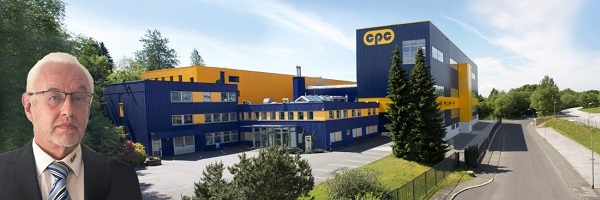
The Coperion C-BEYOND digital platform has been used by Remscheid, Germany-based masterbatch maker colorplasticchemie Albert Schleberger GmbH (cpc) to improve its ZSK twin screw extruders, ensuring long-term optimal efficiency for both the extruders and the entire production process. This technology logs every ZSK extruder’s operating parameters at CPC in a cloud, making them instantly accessible for insightful analysis.

The OEE (Overall Equipment Effectiveness) value of each ZSK extruder as well as the plant as a whole can be found at any time using C-BEYOND. Additionally, the cpc platform supports order planning. Real-time production amount data is accessible. C-BEYOND allows for detailed documentation of the production process and optimal scheduling of maintenance tasks. Furthermore, C-BEYOND computes CO2 emissions and energy usage per kilogram of masterbatch generated. The information it captures greatly speeds up and improves Coperion’s remote servicing effectiveness.

The C-BEYOND digital service platform is an important component of cpc’s production planning. At any time, ZSK extruder operating personnel can enter data on the production status to the system.

OEE dashboard: clear overview of extruder performance

“We produce exclusively tailor-made products for our customers on our ZSK extruders. Production quantities from 25 kg on up are possible. Within a single day, the masterbatch recipes have to be changed frequently. And precisely for this reason, forward-looking order planning and the shortest possible machine downtimes between tasks are critical for our production efficiency – and for our success,” according to Rüdiger Kaczka, Plant Manager at cpc.

By upgrading its ZSK twin screw extruders with the C-BEYOND platform, cpc has taken an important step towards increasing its overall production efficiency.

The heart of C-BEYOND is an all-encompassing data platform that enables valuable analysis of production processes. At any time, cpc can access all production data from its ZSK lines instantly and transparently. Customizable dashboards summarize all plant efficiency data and visualize it in reliable, user-friendly analytical diagrams. Key production indicators (KPIs) for each line, including availability, production quantity and product quality, are easily accessible at a glance. This enables the seamless operation of machines and allows for the identification of trends, which can be leveraged to implement optimization measures.

“In the past, we often pulled together various statistics, calculation tools and our years of experience in order to make production-related decisions. With C-BEYOND, we can access valid data in one place that gives us the certainty that we are on the right track,” Kaczka said enthusiastically.

Order planning: live view and downtime tracking for high efficiency

A look at production planning demonstrates how cpc integrates the C-BEYOND service platform into its workflow and profits from it. Especially in the case of frequent order changes, it is crucial for the entire plant’s efficiency that extruders do not stand idle unnecessarily, or are warmed up without producing anything. Using C-BEYOND, cpc can see precisely when an order will be finished on every one of the ZSK extruders, and can promptly initiate preparations for the following order, ensuring seamless transfers between tasks and full exploitation of every machine.

With C-BEYOND, important ZSK extruder performance markers, such as availability, production quantity and product quality, are determined in real time and visualized in user-friendly OEE analysis diagrams.

C-BEYOND automatically accounts for production interruptions due to recipe changes, maintenance tasks, or other operational downtimes, providing the operational personnel the option to add additional useful information via tablets installed at the extruder. This downtime tracking enables evaluations over longer time periods, which in turn can reveal informative trends, allowing for implementation of measures to increase efficiency in the future. The system continuously documents which order was produced on which extruder, making the production process visible in detail. This data is helpful for claim management and can be used to optimize subsequent orders.

In case of machine breakdown or deviations in the operating window, C-BEYOND can automatically notify management and operating personnel, enabling even faster reactions.

Sustain app: for less energy consumption 

“We take our responsibility for humanity and the environment very seriously”, said Alexander Schleberger, Managing Director of cpc. “For that reason, we use the Sustain app with the energy monitoring function to capture precise real-time information about our extruders’ energy consumption and individual aggregates such as motors, feeders or barrels. On this basis, we identify components and processes that consume a lot of energy and implement data-supported optimization measures.”

If all production lines are integrated into the system, C-BEYOND can capture and monitor energy consumption across the entire facility. Inefficient equipment or even energy waste can be reduced to an absolute minimum so that valuable resources are used exclusively in a targeted manner and a strategic plan for optimal energy use is possible.

“We are supporting cpc by connecting the ZSK extruders to C-BEYOND in order to structure production processes and the machines’ capacity more transparently, increasing efficiency in operation. For us, cpc’s digitization initiative confirms the added value that C-BEYOND can offer. We are convinced that will be a groundbreaking tool in the long term, helping customers achieve increases in productivity and sustainability. It makes us very proud to be able to travel this path together with cpc, and we look forward to continuing our collaboration,” said Markus Schmudde, Head of Research & Development, Compounding & Extrusion at Coperion.

www.coperion.com

#Coperion #Modernplasticsindia #Pasticsnews #ModernPlasticsIndiaMagazine
#PrintPublication #Modernplasticschina
Smart Factory Solutions Bring Sustainability and Speed to the Forefront

Smart Factory Solutions Bring Sustainability and Speed to the Forefront

The Greenline concept for BO systems aims to maximize efficiency. The core elements are

  • Solutions for PCR use: After years of R&D projects, with the aim of significantly increasing the proportion of recycled polypropylene in the production process for BOPP films, a milestone has been reached in close cooperation with the entire value chain to further close the loop for BOPP films.
  • Direct fluff dosing: Higher production/material efficiency with an advanced solution to increase direct fluff dosing. New software solutions now allow the maximum possible amount of production waste to be fed inline into the BO process at any given time. This also reduces energy consumption as this waste does not have to be re-granulat
  • Heat recovery unit 2.0: This solution maximizes energy efficiency and significantly reduces operating costs by capturing and reusing waste heat more effectively than ever before. The energy-rich exhaust air is fed into the heat recovery unit, where thermal energy is transferred to the fresh air drawn in via a special heat transfer medium.
  • Exhaust air purification system integrated into the BO process from a single source and ideally coordinated. In the first stage, the exhaust air is cleaned using a scrubber; in the second stage, gaseous hydrocarbons are separated from the exhaust air using an electrostatic precipitator.
  • High-temperature heat pump to improve waste heat recovery. This patented solution uses waste heat after passive heat recovery at a low energy level and raises it to a usable energy level. This reduces operating costs and significantly improves the CO2 balance.
  • 12m line concept: Increased productivity and efficiency for the lowest specific energy consumption.

Digitalization: Standard Data Interface (SDI)

Plug-and-play connection of Brückner stretching lines to the customer’s own IT systems. The benefits:

  • Seamless integration of plant data into customer systems such as dashboards, production planning or ERP using a simple and efficient connection.
  • Reduced complexity thanks to simplified IT architecture with just a single interface to all relevant data from a Brückner film stretching line.
  • Fast implementation of data and protocols by using the OPC UA standard.
  • High reliability: Elimination of potential sources of error by standardizing the protocol and the data read out.
  • Availability for every stretching line generation: Simple upgrade for older lines by Brückner Servtec.
  • The standard also allows the connection of lines from other manufacturers.

New solutions for the production of technical films

  • Lines for battery separator films with 8.7 m usable film width: the widest separator film lines in the world with an annual output of up to 500 million m² and with consistent film quality
  • Sequential and simultaneous lines for capacitor films and current collector films with a line width of up to 8.4 m for EV applications or films with high energy density for renewable energy applications in the energy industry
  • Extremely thin films down to 2 microns

Future. Made by Brückner Group

As part of a world-leading group of companies, Brückner Maschinenbau builds on a strong foundation of shared expertise and innovation. United by a common vision, the Brückner Group aims to shape global markets and the future of plastic and material processing with sustainable solutions – flexible, fast and customer-focused. To make this shared purpose tangible, the Group and its business units will be represented together at a joint stand for the first time. This presence offers customers and stakeholders the opportunity to experience the combined strength of leading global companies in the fields of plastics and alternatives, packaging and technical applications, machinery and production plants, as well as holistic solution providing.

Each business unit contributes cutting-edge technologies for future-oriented markets that embody the Brückner Group’s collective commitment to sustainability, digitalization, and technological leadership. From more efficient production technologies and smart automation to new packaging approaches and digital interfaces – these developments reflect the shared drive to lead with purpose.

Together, they stand for collaboration, excellence, and a bold vision: shaping the industry of today and tomorrow.

https://www.brueckner-maschinenbau.com/

#brueckner-maschinenbau #Modernplasticsindia #Pasticsnews
#ModernPlasticsIndiaMagazine #PrintPublication #Modernplasticschina

From Labels to Packs: Printing Advances Enable Seamless Expansion into Packaging for Brands

From Labels to Packs: Printing Advances Enable Seamless Expansion into Packaging for Brands

Comexi, a world leader in printing and converting solutions for flexible packaging, is expected to make a big effect at LabelExpo Europe 2025, which will be held in Barcelona from September 16–19. The company will launch a new technology solution from booth 5G73 that pushes the limits of label printing and conversion—faster, more customized, and more environmentally friendly. Comexi is the only business in the industry that provides flexible packaging and label printing solutions in offset, flexography, and digital formats, customizing technology to meet the unique requirements of each client.

The new Comexi D4 digital press, which is intended to unleash unrestrained creativity, is at the center of this revolution. This technology reduces time to market significantly by doing away with the need for plates and allowing for real-time design adjustments, making it perfect for small batches and fully bespoke designs. Because of its versatility, label creation is redefined for brands that require distinction and immediacy.

Another key innovation is the Digiflex digital press, specializing in variable code printing for critical applications such as traceability, brand protection, and advanced personalization with QR or data matrix codes. It is a strategic tool for brands seeking smart, secure consumer engagement.

Comexi also reinforces its leadership in central drum offset printing with the Comexi CI Offset evolution—a perfect solution for multiple SKUs and short runs that combines outstanding quality with a strong environmental commitment. The technology reduces solvent use and minimizes emissions, providing a highly sustainable alternative for an increasingly demanding market.

In the field of slitting, Comexi will showcase its turret slitter rewinders S1DT and S2DT, capable of slitting reels from 30 mm and integrating with fully automated end-of-line systems. These solutions maximize productivity and meet the growing need for efficiency and precision in label converting.

F4 Origin: A New Generation of Compact Flexographic Presses

Innovation continues with the premiere of the Comexi F4 Origin, the fourth generation of an iconic model introduced in 2010. Since then, Comexi has sold over 100 units of the F4 in its previous three versions, cementing its place as one of the most successful compact presses on the market. This new version maintains the essence of its predecessors—compact format, agility, and versatility—but takes a qualitative leap in performance, efficiency, and sustainability.

Designed for flexible small-format productions, the new F4 Origin now reaches speeds of up to 400 m/min and a maximum width of 1,120 mm, thanks to a fully reinforced mechanical structure. It incorporates the GeniusRun system to eliminate bouncing, ensuring exceptional print quality even at minimum formats of 240 mm.

Additionally, the GeniusDry drying system has been optimized to work with both solvent- based and water-based inks, further supporting sustainability. This redesigned system also brings major energy efficiency improvements by minimizing temperature loss and optimizing airflow between colors to reduce circulating air volume.

In line with Comexi’s more advanced models such as the F2 Origin and F1 Evolution, the F4 Origin now integrates the control console into the machine, reducing the footprint and improving usability. The upper walkway and access points have also been completely redesigned, significantly enhancing ergonomics—making it easier for operators to access the drying tunnel, central drum, video system, and threading, while also facilitating maintenance.

This new generation is ideal not only for short-run flexible packaging but also for the label sector, whose production needs often align with flexographic technologies. Its 240 mm minimum format enables jobs to be printed without duplicating plates, and its compact size makes it a perfect choice for label printers looking to expand into flexible packaging. With this machine, it’s possible to transition from printing a label for a glass or PET bottle to formats such as recyclable monomaterial stand-up pouches, opening up new market opportunities for brands focused on sustainability and diversification.

A day of Networking and Live Demonstrations to Expand to new markets

To experience all these solutions firsthand, Comexi invites its customers to visit its Technological Center at headquarters in Girona on September 15. The company will host a special presentation of the F1 Evolution, its most advanced flexo press. Three live demos will showcase the machine’s capabilities: a solventless job printed at maximum speed with no bounce, a high-definition design using water-based inks, and a third demo with electron beam technology—highlighting how innovation and sustainability go hand in hand.

www.comexi.com

#comexi #Modernplasticsindia #Pasticsnews #ModernPlasticsIndiaMagazine
#PrintPublication #Modernplasticschina

Global Event to Accelerate Circular Economy Transformation This March in Germany

Global Event to Accelerate Circular Economy Transformation This March in Germany

After its grand premiere in March 2025, the planning is now underway for the next Circular Valley Convention (CVC). On March 11 and 12, 2026, the legendary Areal Böhler in Düsseldorf will again become a buzzing hub of experts and thought leaders from business, science, policy, and civil society who share a common objective: accelerating the global transformation towards a genuinely circular economy.
The CVC is already established as one of Europe’s most progressive events for the circular economy, convening the most influential stakeholders who understand that the future of sustainable development lies in reimagining the way resources are used, reused, and recovered. Riding on the success of its first year, next year’s edition will further broaden its scope and influence by highlighting the newest innovations and strengthening connections between sectors and fields.

The core idea behind the Circular Valley Convention is to bridge vision with action. It combines a high-level conference program with an interactive exhibition and curated networking opportunities that encourage meaningful dialogue, practical learning, and concrete partnerships. Attendees can expect an atmosphere where leading researchers, policymakers, corporate leaders, startups, and community pioneers come together not just to talk about circularity — but to demonstrate real-world solutions that can be implemented at scale.

During the first iteration of Circular Valley Convention 2025, attendees learned from global experts and thought leaders on stage. Visionary approaches and breakthroughs were discussed throughout all five stages of the product lifecycle and materials — from sustainable design fundamentals and regenerative material selection to digital tracing and advanced recycling technologies. Over 200 visionaries, such as Prof. Holger Hanselka (Fraunhofer), Katja Busch (DHL), Ulrike Sapiro (Henkel), and Prof. André Bardow (ETH Zurich), connected with a varied crowd of attendees via motivating keynotes, interactive panels, and detailed masterclasses on three specialized stages.

For 2026, the CVC will double up on its vision to be the world’s top international trade fair and knowledge leadership platform for the circular economy. The expo floor will expand into an even fuller marketplace for advanced circular solutions, with everything from new materials and modular product design to intelligent reverse logistics systems and fresh business models for reuse and remanufacturing. This interactive space will allow people to experience how cross-sector collaboration can speed up systemic change.

Yet another characteristic of the Circular Valley Convention is its focus on effective networking. Since a circular economy cannot be successful in silos, the event will further enable connections that cut across value chains and geography. Startups will get to interact with potential partners and investors, researchers will get a chance to meet practitioners directly, and policymakers will learn from the experience of actual pilots and market leaders.

A key strength of the CVC is its close ties to the broader Circular Valley ecosystem — an internationally recognized initiative based in Germany’s Rhine-Ruhr region that brings together companies, research institutions, and policymakers to pilot scalable circular economy projects. By rooting the convention within this ecosystem, the CVC ensures that insights and partnerships formed at the event can translate into practical, impactful action long after the expo halls close.

As the world races to reduce waste, conserve finite resources, and cut carbon emissions, gatherings like the Circular Valley Convention play a critical role in aligning goals, standards, and best practices across borders. The 2026 edition will place an even stronger spotlight on collaborative innovation — showcasing success stories that span industries such as packaging, textiles, construction, electronics, and mobility. Attendees will gain practical ideas for integrating circularity into product design, supply chains, business models, and consumer engagement.

Save the Date: March 11–12, 2026 at Areal Böhler in Düsseldorf. Whether you’re a corporate sustainability leader, a researcher breaking new ground in materials science, a policymaker drafting circular economy frameworks, or an entrepreneur developing circular business models, the Circular Valley Convention promises to be a dynamic hub of solutions, inspiration, and connections for everyone ready to shape the circular future.

https://cvc-duesseldorf.com/

#CVC2026 #Modernplasticsindia #Pasticsnews #ModernPlasticsIndiaMagazine
#PrintPublication #Modernplasticschina

Expansion Efforts in Africa Deliver Results and Lay the Groundwork for More

Expansion Efforts in Africa Deliver Results and Lay the Groundwork for More

Think Plastic Brazil, a portfolio of solutions for the plastic-converted products sector in the process of internationalizing to target markets, hosted a business mission to South Africa from June 17 to 20, 2025, bringing together 21 Brazilian companies for business meetings as part of its strategy to strengthen trade relations with the African continent. This initiative was carried out through a partnership between ApexBrasil (Brazilian Trade and Investment Promotion Agency) and INP (Brazilian Plastics Institute). The mission directly earned US$910,000 in revenue, with an additional US$5 million anticipated over the next 12 months.

Think Plastic Brazil at the Brazilian Embassy in South Africa Photo: Think Plastic Brazil

The African markets occupy a strategic position in the process of geographic diversification of exports in the converted plastics sector. Currently, more than 95% of exports are concentrated in the Americas, which represents a structural risk in terms of regional dependence. In this context, Africa emerges as a promising frontier, with concrete opportunities for commercial integration due to its young population, accelerated growth, and increased demand for manufactured products. From a strategic perspective, the African continent represents, for the companies supported by the Think Plastic Brazil Portfolio, what Latin America represented in previous decades: a growing market with strong potential for medium- and long-term relationships,” explains Carlos Moreira, INP Executive Director and Think Plastic Brazil CPO.

Throughout the event, 255 business meetings were held with 251 new contacts from eight countries: South Africa, Angola, Botswana, Mozambique, Namibia, Kenya, Zambia, and Zimbabwe. The participating Brazilian companies are from the housewares, construction, toys and childcare, and plastics industries.

During the mission, technical visits were made to Big 5 companies and retail stores in the housewares sector, where the Brazilian companies held meetings with their management. Carlos Moreira, INP Executive Director and Think Plastic Brazil CPO, and our market specialists, Daniela Ornelas and Cristina Sacramento, also accompanied the group of companies on guided tours, in stores, and at a large distributor of hardware and agribusiness supplies operating in South Africa and the sub-Saharan region.

Business round at Mission-Africa photo: Think Plastic Brazil

Finally, the team, composed of Carlos Moreira, Daniela Ornelas, and Cristina Sacramento, was welcomed at the Brazilian Embassy in South Africa by Benedicto Fonseca Filho, Brazilian Ambassador to Pretoria; Carlos Vitor Müller, Agricultural Attaché; and Bruno Leite, diplomat. During the visit, they discussed the upcoming Mission to the region in 2026, the potential of the sector as the fifth largest in the world, and the importance of investing in innovation, design, and sustainability. They also presented the Color Trend 2026, a guide to colors and trends in plastics, and the International Yearbook 2025, an updated catalog of Brazilian companies that brings together Think Plastic Brazil members in the converted plastics sector and is an excellent showcase for buyers and partners.

WEBINAR

Think Plastic Brazil will host the webinar “Eyes on Africa: What We Experienced and Learned at the Africa Trade Mission” on July 17th, from 3:00 PM to 5:00 PM, on the Teams platform. The objective of the virtual meeting is to present the main results, lessons learned, and challenges overcome by the companies that participated in the Africa Trade Mission, to provide insights into the business potential of the African continent, market profiles, and future opportunities for Brazilian companies. It will also include an interactive session to answer questions with experts and representatives of the companies that participated in the mission.

https://thinkplasticbrazil.com/

#thinkplasticbrazil #Modernplasticsindia #Pasticsnews #ModernPlasticsIndiaMagazine
#PrintPublication #Modernplasticschina

Consistent Framework for Mass Balance Brings Clarity to Plastic Recovery Efforts

Consistent Framework for Mass Balance Brings Clarity to Plastic Recovery Efforts

The EU Commission has released new proposals supporting the use of mass balance for chemical recycling, adopting a fuel-exempt accounting approach under the Single Use Plastics Directive (SUPD). The Commission emphasized that “the calculation methodology will serve as a model for future recycled content rules in other sectors, such as packaging, automotives and textiles. This approach is designed to give investors’ confidence in the long-term stability and potential of these technologies.

Mass-balance acceptance is regarded as a critical facilitator for chemical recycling – most notably pyrolysis oil, since pyrolysis oil acts as a naphtha replacement in crackers. Uncertainty about regulation has witnessed demand from the chemical industry for pyrolysis oil decline during 2024 and 2025 (though from a high level) and rendered financing for new projects and infrastructure problematic.

Varying accounting principles for mass balance can significantly change possible profitability, and a lack of transparency has made it difficult to forecast returns on investment, as well as determine Europe’s relative competitiveness vis-à-vis other areas likely to follow varying mass-balance accounting principles.

The EU Commission has launched a consultation on the proposals, which also covers the calculation, verification and reporting of recycled content under the SUPD. The consultation will run until 19 August. The Commission will then conduct a review before presenting a final draft to its technical committee to vote on.

It aims to adopt the proposals under an implementing decision in Autumn 2025. Previously, the EU Commission had said that it was aiming to adopt the implementing decision in the fourth quarter of 2025.

Under the proposal, the EU will adopt “fuel-use excluded” mass-balance accounting, whereby material that is processed into fuel or process losses cannot contribute to recycled content targets. Free allocation (a method of mass balance that allows for the total allotment of recycled material to be attributed to any output) would be permissible for the remaining tonnage.  This is provided that:

  1. It is only attributed to outputs where it is possible to prove there is a feasible chemical process that could transform the input material into the chemical building blocks for each output
  2. The attributed amount of a specific output does not exceed the share of those parts of the output that can come from the used input eligible material
  3. The inputs, outputs, or both are chemical building blocks but not polymers.

This would also apply to dual-use material – material that can be used in both fuel and non-fuel applications – in liquid or gas form. Solid material such as char would be excluded from the calculations.

The Commission considers that “mechanical recycling technologies are in general preferable to chemical recycling technologies from an environmental point of view” and states that material that can be mechanically recyclable should not be used by chemical recyclers where it can produce recyclates with similar quality or performance characteristics. As a result, the proposals include allowances for the Commission to review the methodology and allocation rules under the decision.

For liquid inputs fed into a steam cracker, the calculation steps to determine the allocation volume of recycled material would involve defining the maximum allowable boiling point at the steam cracker (or where the eligible material is processed by different steam crackers, the weighted average of the maximum acceptable boiling points of all the individual steam crackers), measuring the evaporation between eligible input material and total input material, calculating the ratio between the two and then applying that ratio to the total input weight at the cracker. This would involve using a standard test method for boiling range distribution of petroleum fractions by gas chromatography.

For non-liquid material or processes not involving steam cracking, material would be distributed proportionally based on share of total input. For dual-use outputs, evidence would be required to prove that the material is being used in recycled plastics.

The new implementing decision and annex does not appear to give any further clarity on the use of imported material counting towards the 25% recycled content required in polyethylene terephthalate (PET) beverage bottles from 1 January 2025.

ICIS published an article in June following confirmation from the European Commission that only recycled polyethylene terephthalate (R-PET) produced using plastic waste in the EU can currently count towards the 25% recycled content target set out under the SUPD.

However, following publication, market participants challenged this statement from the Commission’s Directorate-General for Environment highlighting the use of the word “imported” in formulas contained in the Implementing Decision annexes, which those participants understood allowed the use of R-PET flake and food-grade pellet from third countries outside the EU to count towards the target.

Imported material is still mentioned in the draft annex and ICIS is currently seeking further clarification from the Directorate-General for Environment over the status of imported material in counting towards the 25% target.

https://www.icis.com/

#icis #Modernplasticsindia #Pasticsnews #ModernPlasticsIndiaMagazine
#PrintPublication #Modernplasticschina

Environmental and Social Responsibility Confirmed in New Global Progress Filing

Environmental and Social Responsibility Confirmed in New Global Progress Filing

With a major step toward moving closer to promoting transparency, accountability, and sustainable development, Molecor formally presented its yearly Communication on Progress (CoP) to the United Nations Global Compact, affirming its longstanding belief in doing business responsibly. Being a signatory to the Global Compact, Molecor is part of the global network of thousands of companies that work in alignment with the Ten Principles of the initiative, which include human rights, labor, environment, and anti-corruption, while also supporting the attainment of the UN Sustainable Development Goals (SDGs).

Photo Credit: Molecor

The CoP report, now presented in a revamped digital questionnaire format as part of the UN Global Compact’s enhanced reporting framework, enables companies to offer more structured and standardized data. This new format not only simplifies the process of tracking progress but also significantly improves the visibility and comparability of corporate performance across sectors and geographies. Molecor’s responses in this report provide tangible evidence of its dedication to integrating sustainability into its core operations and long-term strategic vision.

As part of the filing, Ignacio Muñoz, CEO of Molecor, released an official declaration reaffirming unconditional commitment to the UN Global Compact and recommitting to staying true to its principles. “Our membership in the UN Global Compact is not just formal—it is a guiding principle on how we do business responsibly, ethically, and sustainably,” Muñoz underscored. His message, together with the extensive CoP submission, is now publicly available on the UN Global Compact website, highlighting Molecor’s commitment to acting in absolute transparency and integrity.

As an added gesture beyond the requirements, Molecor also voluntarily made available its latest Non-Financial Information Statement (NFIS). This supplementary document provides a comprehensive account of the company’s environmental, social, and governance (ESG) performance. It outlines the firm’s sustainability metrics, carbon footprint management strategy, supply chain due diligence, gender equality measures, circular economy strategies, and decarbonization initiatives in the water infrastructure and plastics industries—where Molecor is a technological pioneer in manufacturing oriented PVC (PVC-O) pipes.

The NFIS adds value to the Communication on Progress by providing stakeholders, investors, regulators, and the public a comprehensive view of Molecor’s sustainability pathway. This is a responsible, proactive stance by Molecor, grounded in the belief that non-financial performance and footprint is as important—and in most cases more meaningful—than a company’s financial performance, as today’s global economy calls upon stakeholders to hold corporations accountable beyond numbers, but to demonstrated impact.

Importantly, Molecor’s practices are in-line with the European Union (EU) Corporate Sustainability Reporting Directive (CSRD) and the Global Reporting Initiative (GRI) standards for sustainability performance, meaning the company is reinforcing its sustainability governance while better preparing themselves to meet reflections of new regulatory expectations.

Molecor publicly declared its progress and voluntarily went beyond the statutory minimum requirements for reporting on favourable outcomes for itself. This has once again reiterated Molecor’s leadership in innovation for sustainability, specifically in respect of water management infrastructure. Its technology assists with reduces water loss and energy use across networks globally, especially in water-scarce areas, which is tackling a major pressing issue, in keeping with, among other SDGs, SDG 6: Clean Water and Sanitation, and SDG 13: Climate Action objectives.

The detailed reporting of favourable outcomes reinforces Molecor’s sustainable innovation and responsibility-driven governance philosophy and confirmed it as a global authority across the circular economy of plastic-based infrastructure solutions for global water management. Given the many concurrent, intensifying environmental and social challenges we are currently facing, Molecor’s disclosures are an example of how businesses demonstrate their role in potentially managing related and existing environmental and social challenges towards a just, resilient, equitable and sustainable future.

https://molecor.com/en

#molecor #Modernplasticsindia #Pasticsnews #ModernPlasticsIndiaMagazine
#PrintPublication #Modernplasticschina

Advanced PET Film with ESD Protection Tackles Challenges in Tech Packaging

Advanced PET Film with ESD Protection Tackles Challenges in Tech Packaging

The Electrostatic Discharge (ESD) Plastic Sheet (PET), a specially designed solution created to meet the vital requirements of India’s quickly growing electronics and device manufacturing ecosystem, has been introduced by Cosmo Plastech, the rigid packaging division of Cosmo Films, a world leader in specialty films.

Higher quality and dependable packaging solutions are essential as India solidifies its position as a global center for electronics production, driven by initiatives like “Make in India” and rising domestic demand for semiconductors, cellphones, and other electronic components. Furthermore, the need for ESD-safe materials is expected to rise sharply as the electronic packaging industry experiences growth. Cosmo Plastech’s PET-based ESD sheet is both required and relevant in light of this ongoing development.

The newly developed ESD Plastic Sheet (PET) is designed to manage and dissipate static electricity efficiently in order to prevent damage to electronic components while they are stored, handled, and shipped. Produced keeping in mind the word class standards of quality and environment, the PET sheet is RoHS compliant, conductive, and dissipative in nature, and is antistatic. The ESD sheet also adheres to cleanroom needs through its dust-free, recyclable material, providing customers, both function and eco-friendliness in a single product.

Cosmo Plastech’s ESD sheet is ideal for IC and chip trays, cell phone and component manufacturing trays, and general-purpose material handling trays. The sheet therefore brings added protection and efficiency to the electronics industry. Not only does it safeguard electronic components and devices, but also streamlines packaging operations in ESD-sensitive environments.

Commenting on the launch, Mr. Himanshu Gupta, Business Head (Rigid Packaging), Cosmo First said, “India’s electronics sector is witnessing a transformative phase, and packaging has a key role to play in protecting the heart of this revolution which is its components. With our ESD PET sheet, we are not just offering a material, we are also offering assurance, safety, and innovation to a sector that is powering India’s technological growth.”

With the packaging industry for electronics set to boom, product innovations such as Cosmo Plastech’s ESD PET sheet are going to be a key offering in protecting the functionality and quality of valuable electronic products. By leveraging unique designing capabilities and decades of sector experience, Cosmo Plastech aims to deliver immense value by facilitating the safe transportation and storage of vital components that drive the digital economy.

Cosmo Plastech’s PET-based ESD sheet further solidifies the brand’s position as a reliable and trusted partner in the rigid packaging industry, helping shape the landscape of electronics manufacturing with forward-thinking, high-performance packaging solutions.

www.cosmofilms.com

#cosmofilms #Modernplasticsindia #Pasticsnews #ModernPlasticsIndiaMagazine
#PrintPublication #Modernplasticschina

Joint Initiative Launched to Advance Real World Fire Safety Testing for Next-Generation EV Battery Casings

Joint Initiative Launched to Advance Real World Fire Safety Testing for Next-Generation EV Battery Casings

In response to the growing importance of thermal management and fire protection in electromobility, AZL Aachen GmbH is launching a new Joint Partner Project entitled “Thermal Runaway Testing for Battery Casings – Benchmarking Systems for High-Gradient Heating and Hot Particle Blasting.” This initiative focuses on developing and implementing a realistic and reproducible fire testing environment for structural and functional materials used in EV battery housing systems.

Advanced Testing Infrastructure for Real-World Conditions

The project centers around the development and implementation of a new test bench that combines high- gradient flame exposure and controlled hot particle impact – mimicking the complex conditions of thermal runaway events in modern cell technologies such as LFP and NMC. This setup enables systematic benchmarking of materials under stress conditions that reflect actual applications in automotive, but also in other segments like aerospace, where efficient development of safe battery storage systems is essential. Participating companies will not only have access to the final benchmarking results but can also contribute material configurations for testing as part of the project.

Benchmarking Materials and Defining Safety Profiles

Through tailored test profiles, thermal resistance and mechanical integrity of different materials will be compared based on application-specific scenarios. Detailed test documentation, including videos and thermal data, will be provided. The resulting matrix supports materials development, qualification, and supplier evaluation, offering both strategic and technical value.

A Collaborative Approach to a Shared Challenge

Within a predecessor collaboration involving a consortium of 24 leading industry players (including automotive OEMs like Audi, BMW, Tier suppliers, and material producers), AZL ́s team of experts developed an application relevant instrumented test method that allows testing of materials at different flame temperatures and simultaneously measuring the material strength under fire load. In the project more than 50 different materials (metals, plastics, fibre reinforced, coated, compact, sandwich) were tested and benchmarked regarding their specific performance (survival at tensile load and 800, 1000, 1200 °C flame exposure; failure; areal weight; cost per area). The new Joint Partner Project builds on these results, know-how and test infrastructure implemented. It enables participants to pool resources, validate their own solutions, and gain insight into leading alternatives in the market. With more than ten years of experience managing collaborative industry projects, AZL ensures a professional and transparent execution with clear, practical outcomes.

The project will officially kick off on July 15th, 2025. At the initial meeting, partners will align on expectations, present their priorities, and help refine the testing focus. Companies interested in joining are encouraged to request detailed project information or arrange an individual consultation meeting:

https://azl-aachen-gmbh.de/

#AZL #Modernplasticsindia #Pasticsnews #ModernPlasticsIndiaMagazine
#PrintPublication #Modernplasticschina

Diagnostic Technology Upgraded with Launch of Functional Synthetic Polymer Series

Diagnostic Technology Upgraded with Launch of Functional Synthetic Polymer Series

The Sciforiem PL 1000 Series of functional synthetic polymers will be introduced to markets outside of Japan starting in July by Artience Co., Ltd., the holding company for the Tokyo-based chemicals manufacturing organization Artience organization. Sciforiem polymers are useful for the creation of biosensors, diagnostic tests, and other in vitro diagnostic (IVD) systems because they can be designed to mimic biological processes and are produced from non-biological raw ingredients.

Medical devices called IVDs are used to detect illnesses by analyzing biological samples, such as tissue or blood. Sciforiem PL 1000 polymers are specifically tailored for use in IVDs that detect target molecules by means of antigen-antibody reactions. These polymers can improve the overall performance of the reagent by stabilizing proteins, increasing detection sensitivity, and preventing non-specific protein adsorption when applied to the substrate material in antigen-antibody reaction detection.

Such biological functions performed by Sciforiem polymers are useful in various applications, such as blocking agents in immunoassays like ELISA and immunochromatography or as protein stabilizers in IVD assays. In biomolecule research, they act as additives in diagnostic reagents due to their ability to enhance functionality and stability.

With a century-plus heritage rooted in printing ink innovation, artience is uniquely positioned to apply its cutting-edge technologies, which have been honed over the decades, to engineer polymer products that address the stringent quality standards of today’s medical, electronics and other high-end fields. “Historically, bio raw materials were considered a biomanufacturing challenge for their inconsistent quality,” said Nozomu Hatano, General Manager of artience ‘s Biotech Business Unit in Japan. “By adopting artience ’s polymer design and dispersion technologies to address stability issues in raw materials, our engineers were able to fabricate a functional polymer for in vitro diagnostic reagents that exhibit minimal variation in quality. We expect the new Sciforiem PL 1000 Series to significantly reduce diagnostic errors and improve patient care, going forward.”

The Sciforiem Series of life science products from artience will be making its global debut at ADLM 2025 (or ADLM Annual Scientific Meeting & Clinical Lab Expo), in Chicago, from July 27 to 31, 2025. In addition to functional synthetic polymers, artience will be featuring the Sciforiem FI Series of near-infrared (NIR) fluorescence probes for high-sensitivity imaging.

www.artiencegroup.com

#artiencegroup #Modernplasticsindia #Pasticsnews #ModernPlasticsIndiaMagazine
#PrintPublication #Modernplasticschina