Thursday, July 2, 2026
spot_img
Home Blog Page 169

More sustainable basic chemicals from LANXESS

More sustainable basic chemicals from LANXESS

  • Expanded product portfolio for polyols and oxidation products
  • Product variants with a lower carbon footprint
  • Expansion of Scopeblue sustainability label

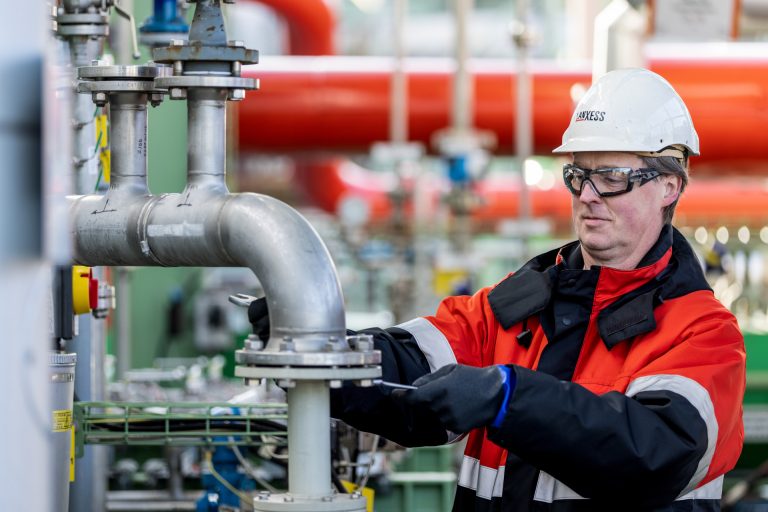
Specialty chemicals company LANXESS has reached an important step toward more sustainability in its portfolio of polyols and oxidation products (POP): The Advanced Industrial Intermediates (AII) business unit now offers more sustainable solutions for around 80 percent of its POP portfolio. Seven of the nine products, including the chemicals trimethylolpropane (TMP), adipic acid (ADA), 1,6-hexanediol (HDO) and phthalic anhydride (PSA), have already successfully completed LANXESS’s internal Scopeblue certification. The remaining ones are to follow soon.

“As a result, we will be one of the first producers to offer our customers a choice between conventional products and products with an improved carbon footprint,” says Dr. Stephan Deutsch, Head of the Business Line POP at LANXESS. Sustainability is now much more than an end in itself for the chemical industry. “Already around 50 percent of our customers have set themselves fixed climate targets for the coming years, similar to LANXESS,” Deutsch continued. “We are therefore convinced that Scopeblue will open up important opportunities for us in the markets.”

With the Scopeblue brand label, LANXESS marks products that either exhibit a sustainable raw material content of more than 50 percent or offer a carbon footprint of less than half of that of their conventional counterparts. To demonstrate the use of sustainable raw materials along the entire value chain, LANXESS has had its production facilities in Krefeld-Uerdingen certified by TÜV Nord to the internationally recognized ISCC PLUS sustainability standard.

Sustainable and powerful

The new sustainable TMP Scopeblue contains around 54 percent n-butyraldehyde produced from biogas and offers the same properties as the conventional variant. “We have already produced the first batch of TMP Scopeblue for one of our largest customers. Currently, we are in talks with several other interested parties,” reports Dr. Maria Guixà, Global Marketing Manager TCM (Trimethylolpropane, Calcium Formate and Maleic Anhydride) at LANXESS. “As our product has a very broad application portfolio we see great potential here. Among others, TMP is used for the production of coatings, resins, UV-curable coatings as well as for polyurethane applications.”

Competitive advantage

The Scopeblue variants of adipic acid and 1,6-hexanediol, for example, are produced from bio-based or bio-circular cyclohexane. As a result, they have a significantly improved carbon footprint compared with conventionally manufactured products. “As early as 2021, we were able to offer a certified carbon footprint for our portfolio for the first time and generate added value for our customers through this transparency,” says David Berhorst, Head of Marketing AHP (adipic acid, 1,6-hexanediol, phthalic anhydride) at LANXESS. Thanks to the two nitrous oxide reduction facilities in the adipic acid plant, which decompose the nitrous oxide generated in the production process, LANXESS has already been able to manufacture these basic chemicals with significantly lower emissions than is usual in the market. “The use of bio-based raw materials now enables us to better support customer requests for more sustainable or even CO2-neutral products,” Berhorst explains.

Exploiting new opportunities

Raw materials offer the greatest leverage for further improving the carbon footprint of POP products. This is also emphasized by Eric Hendricks, Sustainability Manager at the Business Line POP. The company is therefore working on replacing more raw materials with “green” variants. “There is not yet an alternative for everything,” says Hendricks. “We are working on solutions here with partners along the entire value chain to position ourselves clearly and early on the supply side as well.”

The main demand for the sustainable POP products currently comes from Europe. But LANXESS also sees potential in the Asian and American markets – because competitors there do not yet have any green alternatives in their portfolios. “We definitely want to be an early mover in sustainability,” Deutsch summarizes. “The market will increasingly demand innovative, sustainable products in the coming years. And if we create the right basis for this with our products, which are at the very beginning of the value chain, there will be many new opportunities for our business.”

www.lanxess.com


#modernplasticsindia #plasticmagazine #indianmagazine #indianplasticmagazine #modernplasticsaward #ginujoseph #modernplastic #plasticindia #plasticnews #plasticrecycling #modernplasticsglobalnetwork #modernglobalnetwok #modernplasticsaward2023 #PlasticIndustry #lanxess
Sidel Guides Niche Cocoa Industry Ltd’s Move Into Aseptic Beverage Production to Pioneer Aseptic in PET for the First Time in Ghana

Sidel Guides Niche Cocoa Industry Ltd’s Move Into Aseptic Beverage Production to Pioneer Aseptic in PET for the First Time in Ghana

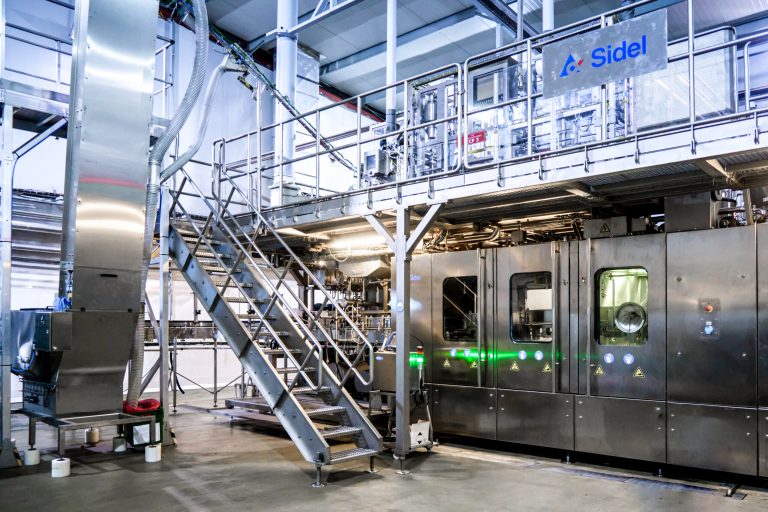
Niche Cocoa Industry Ltd, Ghana’s largest fully integrated cocoa processor, has successfully installed its first-ever aseptic line through Sidel. The line marks a significant milestone for the company, as it makes its first venture into milk-based products in PET with the assistance of Sidel’s long-standing expertise in aseptic production.

“We selected Sidel because of its leadership in aseptic beverage production and packaging design,” said Edmund A. Poku, Niche Cocoa Industry Ltd’s Chief Executive Officer. “Our expectations were fully satisfied. Aseptic Liquid Dairy Products (LDPs) are complex to produce, and this was a new area for us. Sidel’s technical experts and dedicated local sales and project management teams partnered with us: sharing knowledge and competencies, and providing guidance every step of the way. As a result, we have successfully introduced Ghana’s first and only locally produced and aseptically bottled chocolate milk.”

Bassam Oussaifi, Sidel’s Vice President Sales, Middle East & Africa, said: “We are delighted that this project is helping our customer move a further step towards its vision of becoming Africa’s leading producer of cocoa products.”

Having chosen PET for its 100% recyclability, affordability, food integrity, and lightweight properties, Niche Cocoa Industry Ltd opted for Sidel’s Predis aseptic dry preform sterilisation technology. Offering optimum food safety and product quality, Aseptic Combi Predis has now been installed in over 200 solutions worldwide. It has made Sidel a global leader in aseptic production, a position that was confirmed by its validation by the US FDA in 2017. Known for its ease of operation, Predis also reduces water usage and chemicals consumption. Since its launch, it has successfully decontaminated more than 120 billion bottles globally.

Both parties have worked closely together to ensure the smooth delivery of a project that required Niche Cocoa Industry Ltd to utilise Sidel’s vast experience in aseptic packaging to navigate many new challenges, because of it being the first of its kind in Ghana. The line operates to a 99.6% efficiency and has resulted in a high level of customer satisfaction, noting Sidel’s leadership and quest for perfection throughout the process, in addition to providing a platform for the company to take its product to market.

Aseptic PET solution

The 16,000 bottles per hour aseptic PET complete solution integrates Tetra Pak Processing Systems technologies and the Sidel Aseptic Combi Predis with dry preform and cap sterilisation systems, two units of Gebo OptiDry, a sleeve labeller, a VersaFilm Access shrink-wrapping system, and finally a stretch wrapper. Sidel also supplied its market-leading EIT (Efficiency Improvement Tool) data acquisition and plant intelligence system, widely used to support its beverage company customers in decreasing unplanned downtime, reducing waste and costs, and increasing factory output.

Fastest-growing cocoa producer

Niche Cocoa Industry Ltd, founded in 2011, manufactures high quality, semi-finished cocoa products for export, such as cocoa liquor, cocoa butter, cocoa cake, and cocoa powder. Based in Tema, near Ghana’s capital, it is the fastest-rising local cocoa processor in the country, with an installed processing capacity of 90,000 metric tons per year. Through its consumer products arm, Niche Confectionery Ghana Ltd, the business manufactures high quality finished products for the local and export markets. These include chocolates, chocolate spreads, powdered drinking beverages and a ready-to-drink chocolate beverage. Ghana is the world’s second biggest cocoa producer and provider of the highest-quality cocoa beans in bulk.

Innovation and growth in the Africa market

Sidel has been serving the African market for many years, working closely to help its customers in beverage, food, home and personal care packaging achieve their business objectives. It contributes to the region’s economic development and sustainable responsible growth through innovations such as aseptic beverage production and other advanced packaging solutions that benefit customers and make the lowest possible environmental impact. Sidel continues to expand operations in Africa, with the opening of a new regional office in Nairobi, Kenya, to serve customers across East Africa last year.


www.sidel.com


#modernplasticsindia #plasticmagazine #indianmagazine #indianplasticmagazine #modernplasticsaward #ginujoseph #modernplastic #plasticindia #plasticnews #plasticrecycling #modernplasticsglobalnetwork #modernglobalnetwok #modernplasticsaward2023 #PlasticIndustry #sidel

Borealis Bornewables Polymers for Personal Hygiene Fabrics Help Pfnonwovens Group Accelerate Its Journey Towards Climate Neutrality

Borealis Bornewables Polymers for Personal Hygiene Fabrics Help Pfnonwovens Group Accelerate Its Journey Towards Climate Neutrality

  • PFNonwovens Group (PFN) reduces eco-footprint of nonwovens and sets new industry standard with Bornewables polypropylene (PP) for absorbent hygiene products
  • Bornewables PP from ISCC PLUS mass balanced certified second-generation renewable feedstock derived entirely from waste and residue vegetable oil streams
  • Industrial partnership embodies the Borealis EverMinds spirit of accelerating circularity and minimising carbon dioxide (CO₂) emission

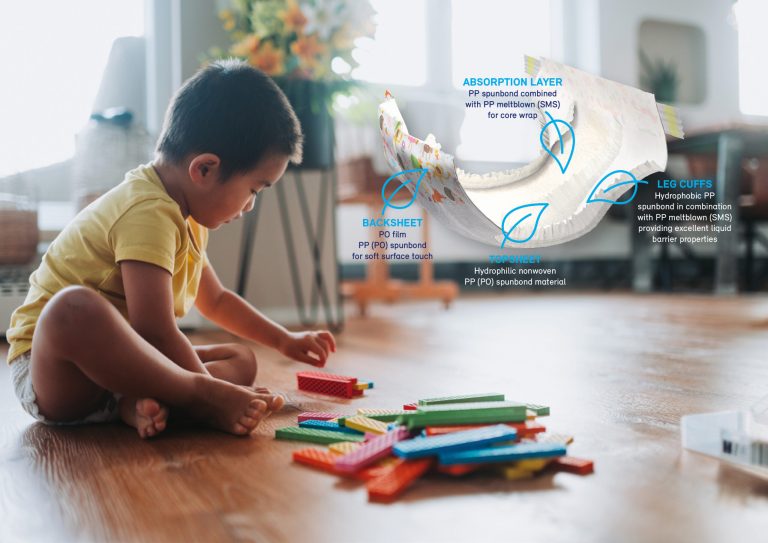
The nonwovens industry is moving towards a circular business model. As the growing world population is increasingly depending on soft and lofty nonwoven materials for absorbent products in everyday personal hygiene, from baby diapers to feminine hygiene products and incontinence care, certified renewable Bornewables polymers from Borealis help manufacturers combine efficient processability with significant benefits for the climate.

Significantly better environmental profile
In order to achieve their mission and offer value-added as well as more sustainable solutions to their customers, PFNonwovens Group teamed up with Borealis to enhance their production of nonwoven materials for the personal hygiene market and set a new industry standard by using Bornewables PP resins for spunbond and meltblown solutions.

“Anticipating the growing demand for more sustainable nonwoven solutions, we have focused our development resources over the past several years on the circular sphere to accelerate our journey towards climate neutrality,” explains Tonny De Beer, Chief Product, Technology & Sustainability Officer at PFNonwovens Group. ““For PFN’s nonwoven products, fossil-based resins are today the main contributor to the carbon footprint. Therefore, using the Borealis Bornewables instead of standard fossil-based resins will significantly reduce the carbon footprint, even enabling products with a carbon footprint under zero.”

Bornewables can be used as direct drop-in replacements for comparable fossil-based polyolefins. In PFN’s nonwoven production, they required no changes to the existing manufacturing process while delivering the same high quality and performance as previous non-renewable virgin materials.

Re-inventing essentials for sustainable living
In line with Borealis’s EverMinds ambitions to accelerate action on circularity, the Bornewables PP used by PFN is made with second-generation raw material feedstock derived entirely from waste and residue vegetable oil streams. The renewable content in all Bornewables products is mass balance accredited under the ISCC (International Sustainability and Carbon Certification) PLUS certification standard, confirming their authenticity and fully transparent traceability from the raw materials to the finished products.

“The combination of our expertise in polymer science and development with PFN’s processing know-how has resulted in nonwovens that make full use of the Bornewables advantages to minimise CO₂ emissions. Together we are reducing both waste and fossil depletion, while delivering cost-efficient products for the hygiene market with a premium look and feel,” adds Peter Voortmans, Global Commercial Director Consumer Product at Borealis. “At the same time, it serves as a role model of Borealis’ commitment to re-invent essentials for sustainable living in collaboration with value chain partners who share common goals.”

Taking a stand against climate change
Borealis adopted the mass balance approach for its renewable and chemically recycled polymers to provide products addressing climate change and circularity. The mass balance approach allows manufacturers to trace the exact share of sustainable feedstock allocated to their products, and Borealis’ ISCC PLUS certificates are audited annually to ensure that all requirements are met. Mass balancing makes it possible for customers to meet ambitious sustainability targets and stay on top of changing legislation. For PFN this means that for every tonne of certified Bornewables PP used in production, a maximum equivalent amount of nonwoven material can be claimed as certified renewable.

PFNonwovens Group’s new Bornewables based products for the personal hygiene market will be on display at INDEX23, the world’s leading nonwovens exhibition, from April 18 to 21 at the Palexpo Convention Centre in Geneva at Booth 1540.

PFNonwovens production facilities.


www.borealisgroup.com | www.borealiseverminds.com


#modernplasticsindia #plasticmagazine #indianmagazine #indianplasticmagazine #modernplasticsaward #ginujoseph #modernplastic #plasticindia #plasticnews #plasticrecycling #modernplasticsglobalnetwork #modernglobalnetwok #modernplasticsaward2023 #PlasticIndustry #borealisgroup #borealiseverminds

Solvay and GKN Aerospace Renew their Collaboration Agreement

Solvay and GKN Aerospace Renew their Collaboration Agreement

Partnership aims at expanding the use of thermoplastic composite materials on aerospace structures

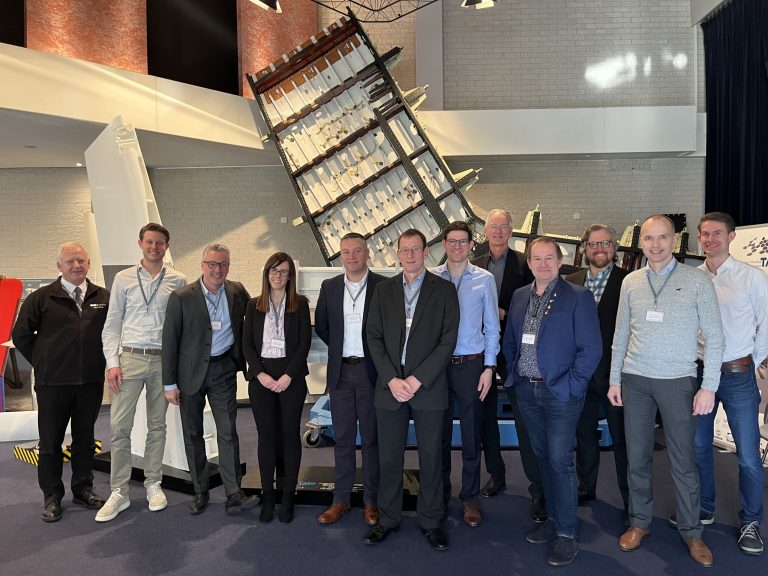
Solvay and GKN Aerospace have signed an extension to their 2017 collaboration agreement. Under the agreement, both businesses are developing a joint thermoplastic composites (TPC) roadmap to explore new materials and manufacturing processes for aerospace structures, while jointly targeting future strategic high-rate programs. In addition Solvay will remain a GKN Aerospace preferred supplier for TPC materials.

Over the past six years, Solvay and GKN Aerospace have engaged on successful projects such as a TPC wing rib program where the use of TPC and a one shot manufacturing process enabled the development of a lighter and cost competitive part; as well as the development of a cost effective AFP TPC fuselage panel opening the door to primary structure applications.

“We are excited to continue collaborating with GKN Aerospace,” said Fabrizio Ponte, Head of Solvay Thermoplastic Platform. “Going forward our teams will specifically work on next generation TPC materials and processes for aerospace applications including commercial aviation and Advanced Air Mobility. Our particular focus on high rate manufacturing solutions for medium and large structures.”

Arnt Offringa, Director of GKN Aerospace’s Global Technology Centre in the Netherlands said: “We are delighted to renew our agreement with Solvay. Lightweight technologies will play a key role in the journey to more sustainable aviation and working together has strengthened our technology leadership in thermoplastic innovation. Collaboration will be vital as we continue to push the boundaries of technology in order to meet our sustainability targets.”

GKN Aerospace is an industry leader in the use of TPC on aircraft and Solvay’s PEKK composites and PEKK films play an important role in supporting GKN Aerospace’s TPC development activities.

Learn more at www.solvay.com


#modernplasticsindia #plasticmagazine #indianmagazine #indianplasticmagazine #modernplasticsaward #ginujoseph #modernplastic #plasticindia #plasticnews #plasticrecycling #modernplasticsglobalnetwork #modernglobalnetwok #modernplasticsaward2023 #PlasticIndustry #solvay

Starlinger: Sustainability and Recycling for Woven Plastic Packaging at Interpack 2023

Starlinger: Sustainability and Recycling for Woven Plastic Packaging at Interpack 2023

The Austrian machinery supplier will be showing its solutions for the sustainable use of plastic packaging at interpack 2023.

“Closed loops for plastic packaging are not only a prerequisite for counteracting environmental pollution and constantly growing mountains of rubbish, but also to conserve resources,” emphasized Angelika Huemer, Managing Partner of Starlinger & Co Ges.m.b.H. “Wherever such loops can be implemented in a sensible way, it should be done as quickly as possible. At Starlinger, we have been working on solutions to close the loop for woven plastic packaging for a number of years. Our concepts of using recycled PET or polypropylene in the manufacture of big bags and small woven bags are well received by the pioneers in the industry, and we will continue to work on them.”

Big bags become big bags again

A pioneering project in this regard will soon be underway: Using Starlinger technology, big bag manufacturer LC Packaging, PET recycler PRT – a member of ALPLA Group, and Croatian recycler Velebit will jointly implement a closed loop for big bags made of polypropylene (PP) in autumn 2023. The big bags, which PRT uses for both the transport and storage of the input materials and the rPET granules produced from them, are recycled into rPP pellets by Velebit on a Starlinger recycling plant. LC Packaging mixes the recycled pellets with virgin material and produces tape fabric which is converted to rPP big bags. The finished big bags are then supplied again to PRT.

Closed packaging cycles in the industrial sector

In order to make polypropylene big bags, the most commonly used material for this type of packaging, more sustainable, Starlinger provides a pioneering solution for the packaging industry by processing recycled PP – also from post-consumer waste – on its production lines. “Starlinger customers are already producing big bags with recycled polypropylene. If the quality of the recycled material is good, high proportions of recycled content in this type of heavy-duty packaging, which has to fulfil special requirements, are no problem,” said Huemer.

With the technology for manufacturing big bags from PET as an alternative to polypropylene, Starlinger is able to offer manufacturers in this packaging segment a solution for a completely closed packaging cycle. Properly recycled, rPET achieves properties like virgin resin and can be used up to 100% for the production of high-quality packaging – see bottle-to-bottle recycling. With Starlinger systems, it is now also possible to produce big bags from 100% recycled PET.

From plastic packaging to high-quality recyclate

Starlinger not only offers production equipment for woven plastic packaging, but also systems for the recycling and refining of plastics, which are also used in the closed-loop solutions mentioned above. Starlinger recycling technology and Starlinger viscotec play a leading role in the industry with technologies for the production of food-grade PET and HDPE recyclates as well as thermoforming films made of rPET.

With the new recoSTAR PET art PET recycling system, Starlinger recycling technology offers an energy-saving and low-maintenance machine concept that produces food-grade rPET of the highest quality and at the same time reduces production costs by around 21%. In the field of post-consumer recycling, Starlinger’s odor reduction technology helps ensure that packaging of consumer goods such as detergent and shampoo bottles can be recycled and reused in the same application, thus avoiding “downcycling”.

With the viscoZERO melt-phase decontamination reactor, Starlinger viscotec has developed a versatile system that produces recycled PS, PP, PE or HDPE suitable for food packaging applications and increases the intrinsic viscosity of PET. Unwanted odours are also effectively removed during the decontamination process. The line processes production waste from fibre and textiles production, skeleton waste, strappings, or post-consumer plastic flakes.

New sack conversion line and other highlights at the trade fair

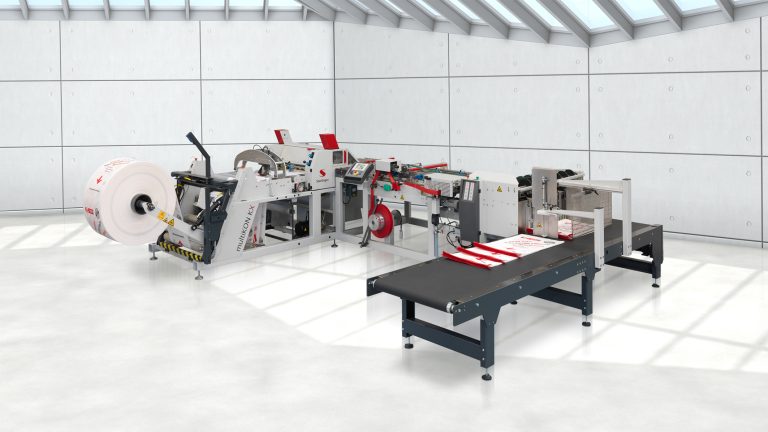
The new Starlinger sack conversion line multiKON KX servo can be seen in operation at the booth and will produce IC*STAR sacks developed by Starlinger. In the IC*STAR production process, the cut sacks run through a welding device in which a coated sealing strip is welded onto the bottom of the sack in a continuous process using hot air in order to close it. IC*STAR sacks are characterized by material saving production, excellent protection of the product, and high strength combined with low packaging weight.

The production software provider GRAFiT will also be at the Starlinger stand during interpack. The Starlinger subsidiary offers software systems for the control and monitoring of production lines as well as product tracing which are installed also on Starlinger production lines, among others. Based on reliable information from the
production line, the software provides a clear overview of all processes, enabling an objective analysis of the production process.

The Austrian platform “Packaging with a Future” will also be present at the Starlinger booth and provide information on circularity in the packaging industry.

www.starlinger.com


#modernplasticsindia #plasticmagazine #indianmagazine #indianplasticmagazine #modernplasticsaward #ginujoseph #modernplastic #plasticindia #plasticnews #plasticrecycling #modernplasticsglobalnetwork #modernglobalnetwok #modernplasticsaward2023 #PlasticIndustry #starlinger

Aquapak Appoints New Advisory Board Member to Support Firm’s New Phase of Development

Aquapak Appoints New Advisory Board Member to Support Firm’s New Phase of Development

Aquapak Polymers Ltd, which specialises in polymer-based material technologies which deliver both performance and environmental responsibility at scale, has today announced the appointment of Adrian Whyle to its Advisory Board, which comprises business leaders and experts in material science and the environment.

The Advisory Board provides advice and input to support Aquapak’s management team as they embark on an exciting phase of global growth and innovation. This includes bringing its innovative Hydropol technology to full-scale commercialisation, developing a portfolio around it, as well as focusing on a range of other bio-based and traditional polymers and other coatings.

Adrian brings over 30 years of highly relevant international experience gained working in the speciality chemicals industry in a number of roles ranging from pure R&D to new product development and manufacturing. Most recently, he was responsible for shaping,  promoting and implementing Plastics Europe’s strategy to increase the circularity of all plastics to achieve the plastic industry’s vision of a robust resilient plastics Circular Economy that maximises plastics reuse and recycling while minimising waste and resource use.

Commenting on Adrian’s appointment, Mark Lapping, Chief Executive Officer, Aquapak, said:

“Adrian is joining Aquapak’s Advisory Board at a very exciting time in the growth of the business as we take the commercialisation of Hydropol TM to the next level. His extensive technical expertise and understanding of Europe’s complex and often disjointed waste infrastructure is hugely valuable as we seek to promote recyclability, compostability and biodegradability as priority end of life options.”

Commenting on the role, Adrian Whyle said:

“Aquapak has developed an exciting proposition in Hydropol TM which genuinely does have the potential to transform the use of conventional plastics in packaging. I look forward to working with the management team and Advisory Board members to help accelerate the development of the product portfolio and applications.”

Adrian is joining Aquapak’s other Advisory Board members:

  • Dr Marijn Dekkers, former CEO OF Bayer AG and former Chairman of Unilever
  • Charlie Crew, former CEO of SABIC Innovative Plastics,
  • Frankie Hobro, Director and Owner of Anglesey Sea Zoo and Marine Resource Centre
  • Simon Weston, Former Director of Raw Materials, Confederation of Paper Industries (CPI)
  • Paul Jenkins, MD, ThePackHub
  • Professor Gary Critchlow, Surface & Interface Science, Loughborough University

Aquapak has successfully developed and commercialised Hydropol TM , a high-performance polymer that enables product design to provide its much-needed functionality whilst increasing recycling and reducing plastic pollution. When extrusion coated or laminated onto paper, Hydropol TM adds strength and barriers to oxygen, oil and grease, and its solubility allows 100% paper fibre recovery through paper recycling mills. As well as being biodegradable and compostable, it is non-toxic to the environment and marine-safe, so it still has a safe end-of-life if it is not disposed of as intended. It is already being used in products such as reusable, heat sealable paper mailing bags.

www.aquapakpolymers.com


#modernplasticsindia #plasticmagazine #indianmagazine #indianplasticmagazine #modernplasticsaward #ginujoseph #modernplastic #plasticindia #plasticnews #plasticrecycling #modernplasticsglobalnetwork #modernglobalnetwok #modernplasticsaward2023 #PlasticIndustry #aquapakpolymers

Ineos Styrolution Introduces Styrenics Based “Green Compounding” With Ceramic-Like Appearance

Ineos Styrolution Introduces Styrenics Based “Green Compounding” With Ceramic-Like Appearance

  • Initial interest from producers of hygienic consumer items
  • Food contact compliant solution available as well

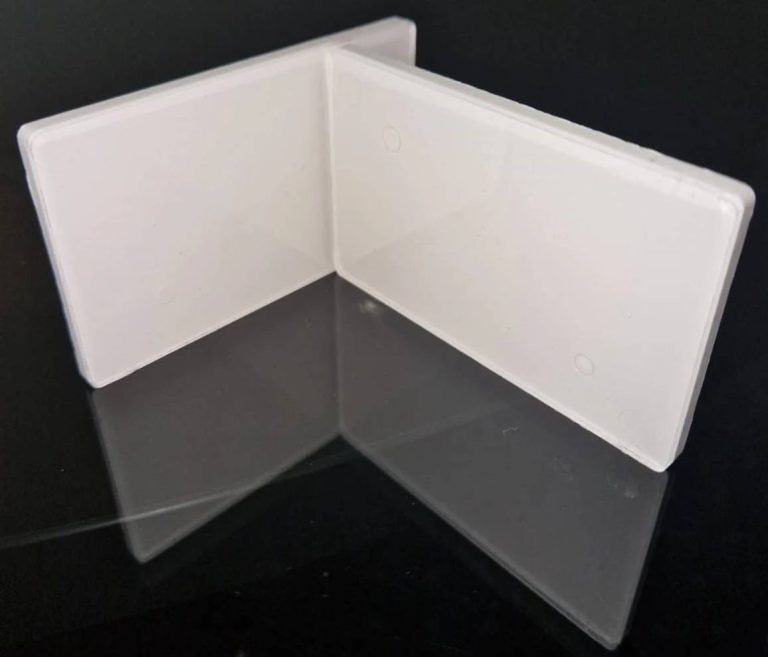
INEOS Styrolution, the global leader in styrenics, has today announced that a range of styrenics based polymers are an effective and sustainable alternative for ceramics, compared to traditional resin-based applications. The styrenics based approach allows for recycling and there is no loss of the distinctive appearance of ceramics. In addition, energy consumption during production is significantly lower using a styrenics based solution than firing ceramics.

Together with partner Microfol Compounding , INEOS Styrolution has been evaluating a range of polystyrene and SBC2 based solutions to act as a substitute for ceramics. The results have been very compelling, delivering excellent properties for appearance, feel and weight. In fact, the results were so convincing that producers of hygienic consumer items, such as bath tubs, sinks or soap dishes, have signaled early interest in reviewing the data and application prototypes.

The SBC material used in this project is INEOS Styrolution’s Styroflex, a copolymer with the properties of a thermoplastic elastomer (S-TPE), suitable for extrusion (including both blown and cast film) and injection molding. In particular, Styroflex contributes significantly to an increased impact strength of the new material. Today’s announcement comes only weeks after Styroflex has proven to be a superior cost-effective binder for bio based products like cork.

Combining the new compounding solution with NAS, a stiff, amorphous styrene methyl methacrylate (SMMA) copolymer also results in a food contact compliant solution.

Peter Hofmann, Managing Director, Microfol Compounding, says: “At Microfol, we love finding innovative solutions to challenges in plastics. We are excited to be part of a development that may change how we work with ceramics, a material that is around for almost 30,000 years.”

Stefan Meier, Business Development Manager at INEOS Styrolution, comments: “The versatility of styrenics continues to amaze us. The material – we also refer to “Ceramic White” – is a viable alternative for many uses and its recyclability always comes as a very much appreciated bonus on top.”

More information: www.ineos-styrolution.com


#modernplasticsindia #plasticmagazine #indianmagazine #indianplasticmagazine #modernplasticsaward #ginujoseph #modernplastic #plasticindia #plasticnews #plasticrecycling #modernplasticsglobalnetwork #modernglobalnetwok #modernplasticsaward2023 #PlasticIndustry #ineosstyrolution

Cost Efficiency in Melt Filtration: Pressure Consistency and Long Operating Times Even With Large Amounts of Contaminates

Cost Efficiency in Melt Filtration: Pressure Consistency and Long Operating Times Even With Large Amounts of Contaminates

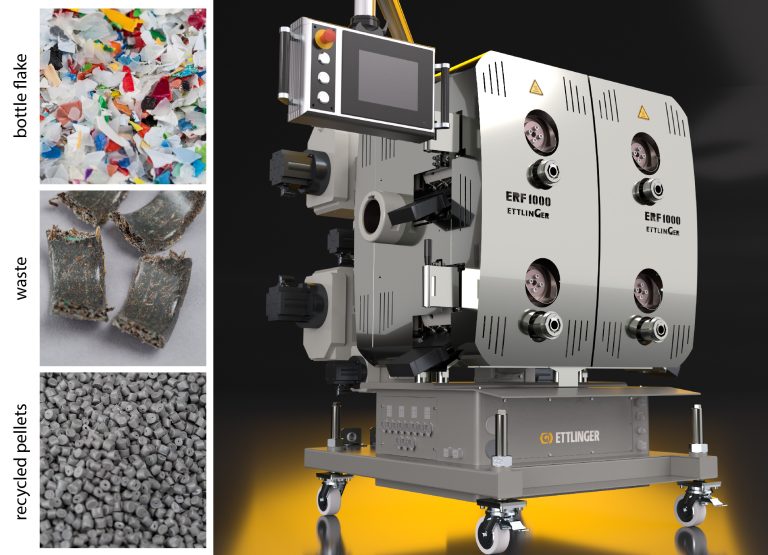
Recyclates of the highest quality are a highly sought-after commodity in the plastics processing industry. In line with demand, stricter requirements are also being placed on the productivity of the recycling systems. The high-performance melt filters from the ERF series from Ettlinger, the centre of competence for recycling in the MAAG Group, are a cost-effective solution for providing corresponding product quantities for the recyclable material cycle. The manufacturer’s flagship is the powerful ERF 1000. When processing easy-flowing materials, for example for injection moulding applications, its four rotating, perforated drums can filter up to ten tonnes of plastic melt per hour. The system’s benefits include continuous operation in a stable process at consistent pressure and long operating times without filter changes. The very low melt loss in the range of a just few percent as well as the possibility of changing each drum individually and without interrupting production also contribute to the high cost efficiency of the ERF 1000.

If throughputs lower than those provided by the ERF 1000 are sufficient, the ERF 350 (up to more than 3,000 kg/h) and ERF 500 (up to 6,000 kg/h) offer alternatives to meet such requirements. All three sizes are designed for energy efficiency and are suitable for filtering common thermoplastics, including soft PVC. The proportion of contaminates such as paper, aluminium, wood, elastomers (rubber or silicone) or high-melting polymer composites can be up to 16%. ERF melt filters can in principle be used in any extrusion line – either single or twin-screw and irrespective of the type of pelletising system or other downstream unit. Thanks to their compactness, they are also very suitable for retrofitting existing extrusion lines. Typical applications range from recycling through to sheet and film extrusion and compounding. In film recycling in particular, the finest mesh size of 60 µm opens up possibilities for achieving benchmark qualities.

www.maag.com


#modernplasticsindia #plasticmagazine #indianmagazine #indianplasticmagazine #modernplasticsaward #ginujoseph #modernplastic #plasticindia #plasticnews #plasticrecycling #modernplasticsglobalnetwork #modernglobalnetwok #modernplasticsaward2023 #PlasticIndustry #maag

Taking Climate Action With Green Carbon Personal Care

Taking Climate Action With Green Carbon Personal Care

Our contribution to the Sustainable Development Goals (SDGs)

This story is an example of Clariant’s contribution to SDGs 12 and 13. We’re enabling more sustainable choices in the Personal Care arena by expanding formulators’ access to responsibly and transparently sourced plant-based ingredients, while increasing our own use of renewable and natural, non-food competing feedstock to reduce CO2 footprint in the value chain and consumer products.

As more and more Personal Care brands step up on climate action, we are helping to lead the charge, growing our range of 100% bio-based[1] ingredients to support our customers’ green carbon formulations on the market.

Evolving in a more sustainable and natural direction doesn’t have to be complex. This past March 8th marked the US Department of Agriculture’s (USDA) first National Biobased Products Day initiative, helping to raise awareness of the possibilities of the bioeconomy. Excited to be part of the inaugural celebrations, we embraced this opportunity to shine a light on our latest bio-based launches for Personal Care and Home Care. This platform provided a chance to connect with a wide range of customers in North America, from global multinationals to emerging indie brands. It was also an opportunity to highlight key solutions that address ever-changing regulations and consumer desire for sustainable products. With NYSCC Suppliers’ Day coming up this May, Clariant is excited to further share these offerings with the Personal Care market.

“Nature has long since gifted the beauty industry with effective solutions, and we’re committed to building on this further to support all types of customers looking to create sustainable offerings. The proactive interest we’re seeing in our 100% bio-based surfactants and PEGs, our transparently sourced natural active ingredients, and fully renewable and vegan preservative boosters is really inspiring, reinforcing that we’re on the right track, together,” comments Neslihan Utkan, Head of Americas, Personal & Home Care segment.

100% green carbon chemistry to foster the transition

Designed for natural formulations with a high Renewable Carbon Index (RCI), Clariant’s VITA line of 100% bio-based surfactants and PEG products helps to maximize the green carbon content of consumer formulations and remove fossil carbon from the value chain without losing out on performance.

These products are setting a new standard in “green” surfactants, in Personal Care as well as markets like Home Care and Coatings, by delivering the performance of fossil-based analogs and standing out for their 100% traceable and measurable carbon. The innovative formulation ingredients are based on green carbon made from plants via bioethanol and other oleochemical sources, with fully segregated material flows of sugar cane or corn to the final ingredient to ensure the natural origin of the ethoxylates.

The VITA product line supports one of the UN’s most important Sustainable Development Goals – #13 Climate Action – saving up to 85% of CO2 emissions from the value chain compared to fossil carbon-based counterparts. With these ethoxylates making up a large portion of cosmetic formulations, making the switch is a positive action toward lowering environmental impact and mitigating climate change.

Responsibly sourced plant-based solutions

When it comes to the active ingredients in a formulation, offering the transparency of 100% bio-based, responsibly sourced solutions is another route opening up choices for formulators.

Clariant Actives and Natural Origins embraces unique technologies to offer besides high-tech actives recognized by top level awards, a full range of naturals for the cosmetic market with a positive sustainable and socioeconomic impact. An extensive selection of natural clays, plant extracts, oils and butters backed by responsible sourcing are available to boost the extent of bio-based ingredients in skin care and hair care.

“It’s our mission to make a change throughout the value chain from plant to bottle, ultimately impacting the industry sustainably,” comments Catherine Breffa, Head of Marketing Personal & Home Care. “The fully renewable-based active ingredients that were showcased at USDA’s inaugural National Biobased Product Day exemplified the different ways we have approached this change.”

Samy El-Khoury, Head of Natural Ingredients, elaborates further “Our Beracare™ CBA is made from a blend of two powerful oils responsibly sourced in the Amazonian ecosystem. This blend provides soothing benefits and improves the wellbeing of sensitive skin. In addition, Clariant’s newest active, Rootness Mood+, reproduces the skin’s benefits from light to revitalize skin and enhance mood. Through a patented process that is 100% eco-friendly and traceable, this ingredient is made from a root extract obtained under aeroponic conditions. This enables the advantages of a soil-free environment and minimal water usage.”

Reducing preservative load, naturally

Today, demand for low fossil carbon solutions extends to the challenging and highly regulated field of preserving the safety and quality of Personal Care products. To help formulators, we developed multifunctional 100% renewable-based preservative boosters to enable “cleaner” formulations by reducing the need for traditional preservatives. The innovative Velsan line does more than lower the amount of preservative, it also acts as an emollient and/or emulsifier depending on the formulation. This creates exciting possibilities to simplify formulations through multifunctional properties. Good news all round for more sustainable formulations.

Find out more about Clariant’s growing portfolio of bio-based products at NYSCC Suppliers Day, May 2 & 3! Meet our technical experts for in-person insight into these solutions and potential applications at booth 803.

What makes this chemistry greater?

  • Choose bio-based options to reduce fossil carbon in formulations
  • Reduce CO2 emission footprint of formulations
  • Achieve the performance offered by fossil carbon-based counterparts

www.clariant.com


#modernplasticsindia #plasticmagazine #indianmagazine #indianplasticmagazine #modernplasticsaward #ginujoseph #modernplastic #plasticindia #plasticnews #plasticrecycling #modernplasticsglobalnetwork #modernglobalnetwok #modernplasticsaward2023 #PlasticIndustry #clariant

Henkel Launches Loctite Pulse Smart Steam Trap for Digital Monitoring of Industrial Steam Systems

Henkel Launches Loctite Pulse Smart Steam Trap for Digital Monitoring of Industrial Steam Systems

As one of the global leaders in adhesives, sealants, and functional coatings, Henkel offers a broad portfolio for maintenance, repair, and overhaul (MRO) in more than 800 industry segments. Based on long-standing expertise across the MRO markets globally, the Adhesive Technologies business unit is continuously driving smart maintenance solutions to create even more value for its customers. Therefore, Henkel introduced Loctite Pulse in 2021, which offers data-enabled technologies for enhancing existing maintenance processes and increasing plant safety, productivity, sustainability, and uptime. With Loctite Pulse Smart Steam Trap, the company now has launched a further innovative solution to this growing smart maintenance portfolio.

Loctite Pulse Smart Steam Trap is an innovative solution that monitors the health of steam traps and supports the prediction of critical failures. With a set of easy-to-install nano sensors applied at the inlet and outlet of the steam trap, the solution continuously gathers information about the status of the equipment. Using highly sensitive sensors and intelligent analytics, Loctite Pulse can detect malfunctions at a very early stage and help predict and prevent energy losses and damage to the plant. The operator receives information about changes in the steam trap’s status via the easy-to-use Loctite Pulse app, allowing them to act rather than react.

Loctite Pulse Smart Steam Trap has been designed for the monitoring of assets, supporting the current needs of industrial maintenance: efficient operations, increasing uptime, saving energy losses, and thus reducing the CO2 footprint.

Dr. Kourosh Bahrami, Corporate Vice President, General Manufacturing and Maintenance, Henkel Adhesive Technologies, explains: “Loctite Pulse Industrial Internet of Things (IIoT) solutions are designed to elevate operational efficiency to the next level, by continuously monitoring the equipment’s health status. Based on our extensive expertise in the field of industrial maintenance, we are aiming to drive the potentials of digitalization to create additional value for our customers. Thus, we extend our offering via digital services that combine our industrial knowledge with the latest in sensor technology, smart materials, and data analytics, helping customers to bring their maintenance into the digital era.”

In addition to Loctite Pulse Smart Steam Trap, the growing Loctite Pulse portfolio includes the Smart Flange, which helps monitor critical flanges, supports the detection of early leakages, and reduces the risk of serious incidents. In future, Henkel aims to launch further solutions for the smart monitoring of a broad variety of critical assets across industries, all managed via one single Loctite Pulse app. Major customers in the oil and gas and chemical industries, such as Shell and H&R Group, have already installed Loctite Pulse smart solutions in their plants, using the benefits of simple and fast installation, and rapid scaling.

Henkel Launches Loctite Pulse Smart Steam Trap for Digital Monitoring of Industrial Steam Systems


Loctite Pulse awarded with BEMAS’ Digital Innovation Award
During the MAINTENANCE 2023 trade fair, BEMAS, the Belgian Maintenance Association, awarded Henkel for its Loctite Pulse solutions with the Digital Innovation Award. According to the jury, reasons for selecting Henkel were amongst others the high degree of innovation and the outstanding potential to further expand the solution portfolio in the future.

“What convinced us first and foremost was the particularly broad applicability,” says jury chairman Jos Vankevelaer. “Where other applications focus primarily on rotating equipment, Loctite Pulse focuses primarily on static equipment.” Moreover, BEMAS pointed out that the solution improves safety, health, environment and sustainability as a whole.

The Loctite Pulse solutions are showcased in the Henkel Adhesive Inspiration Center Düsseldorf where customers can attend a demonstration of the sensor technology and Loctite Pulse app during their visit. The customer journey then continues in the Lighthouses (Persil and Pritt production sites in Düsseldorf) where Henkel has already installed its own Loctite Pulse technology and can share how it monitors assets in-house.

Henkel Launches Loctite Pulse Smart Steam Trap for Digital Monitoring of Industrial Steam Systems


Find more details about the smart maintenance solutions at: www.loctite-pulse.com

www.henkel.com


#modernplasticsindia #plasticmagazine #indianmagazine #indianplasticmagazine #modernplasticsaward #ginujoseph #modernplastic #plasticindia #plasticnews #plasticrecycling #modernplasticsglobalnetwork #modernglobalnetwok #modernplasticsaward2023 #PlasticIndustry #loctitepulse #henkel