Thursday, July 2, 2026
spot_img
Home Blog Page 168

XSYS Introduces Innovative Catena Exposure Technology to the US

XSYS Introduces Innovative Catena Exposure Technology to the US

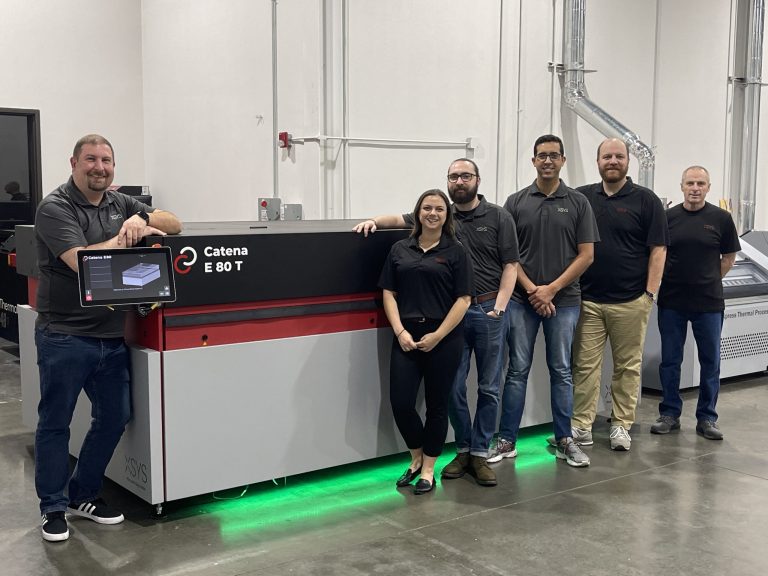
Following successful market validation in Europe, Asia, and Canada, XSYS is now launching the high-performance ThermoFlexX Catena-E exposure technology into the US. This will allow customers in the region to benefit from precise image reproduction, higher reproductivity, and greater flexibility in flexo platemaking.

XSYS has announced the market launch of the ThermoFlexX Catena-E 80 T exposure unit in the United States. “The arrival of Catena-E is extremely timely, because the flexo industry is facing pressing needs for higher definition imaging, increased speeds, and more sustainable ways of making photopolymer printing plates,” said Dan Rosen, Sales Director National Accounts for North America. “On the back of having thoroughly tested this innovative technology throughout Europe, Asia, and Canada, where we have seen tremendous success, I’m very pleased to say that XSYS is now bringing Catena-E to the US.”

LED technology offers consistent output for higher quality and lower operating costs with LEDs that are instantaneously stable, which also means that no time is wasted waiting for the machine to warm up. “With increasingly automated production, the flexo pre-press industry is looking to LED as the next evolution in platemaking. Unfortunately, the options available have been extremely limited until now,” Dan continued. “What XSYS is bringing to the market is a completely open and much more efficient Hybrid exposing system with higher processing speeds and significant sustainability benefits in terms of less plate waste and lower energy usage.”

The ThermoFlexX Catena-E 80 T unit uses high-intensity precision LED’s for the Main Exposure process offering exceptional reproduction of even the finest relief elements and highest possible print quality. Suitable for nearly all types of plates on the market, the system eliminates oxygen effects, which allows customers to transition into flat-top dot exposure with standard plates or to process plates with inherent flat-top dot technology. This includes the nyloflex FTV Digital, a new LED optimized plate from XSYS, which is aimed specifically at the high-end flexible packaging segment.

Visitors to the recently expanded XSYS technical center and demo facility in Charlotte, NC, will soon be able to experience the ThermoFlexX Catena-E 80 T live in action. The new unit will be set up in the technical lab to run in-line with a ThermoFlexX TFxX 80 imager to demonstrate fully automated plate imaging and exposure in one simple process. This is enabled by a unique interface with a rover plate moving system and bridge combined with intelligent plate transport and smart run-off, eliminating all the risks associated with manual handling.

“Having the Catena-E 80 T unit in our demo center will allow people to test their own files and evaluate the operation of the equipment and the high speed benefits in real time. When they can see the operation up close, they will better understand the fail safes, the design quality, and the engineering that went into the development,” said Eric Gibbs, Managing Director for Plates. “We are excited for customers to bring their

own production staff, so they can experience the big operational efficiency gains that are available to them with our very competitive solution.”

Across the border in Canada, two early adopters are harvesting the benefits of ThermoFlexX Catena-E technology. Tempo Flexible Packaging in Innisfil, north of Toronto, Ontario, installed a Catena-E 48 unit and quickly witnessed a big difference in the productivity of the plate room. The company needed to replace an older conventional bank exposure unit that was causing some quality issues. “Right away, the Catena-E solved our problems and there was a dramatic improvement in the print quality,” reported Craig Labossier, Print Technical Services Manager at Tempo.

Flexoleed in Montreal, which serves customers in all of the Quebec province, has also recently moved from bank exposure to LED technology. Dominic Desgagnés, Technical Director, expressed the company’s great satisfaction with the new equipment, saying, “We are very happy with the stability of the new ThermoFlexX Catena-E 80; the details are sharp, and the plate floors are even. The transition from our old exposure unit was also well executed and we found the whole process to be quick and efficient.”

For XSYS North America, the arrival of the Catena-E 80 T in the US represents a crucial step in the plan to install a fully automated ThermoFlexX Catena+ end-to-end platemaking line, which is due to be available for live demonstrations at the Charlotte facility later this year. Dan concluded, “As XSYS, we are investing heavily in operations across the globe to allow customers full access to our wide portfolio of solutions and to give them the opportunity to speak face-to-face with our experts. Now that pandemic restrictions are a thing of the past, it is full steam ahead for XSYS North America.”

www.xsysglobal.com


#modernplasticsindia #plasticmagazine #indianmagazine #indianplasticmagazine #modernplasticsaward #ginujoseph #modernplastic #plasticindia #plasticnews #plasticrecycling #modernplasticsglobalnetwork #modernglobalnetwok #modernplasticsaward2023 #PlasticIndustry #xsysglobal

XSYS Expands Platemaking Portfolio With New Catena-E 48 Exposure Unit for Narrow and Medium Web Segment

XSYS Expands Platemaking Portfolio With New Catena-E 48 Exposure Unit for Narrow and Medium Web Segment

  • Precise image reproduction and fine relief elements for exceptional print quality
  • Increased productivity thanks to powerful LEDs and full coverage back exposure
  • Sustainable operation due to low waste and enclosed exposure environment
  • Excellent performance supported by latest technology high-power LEDs

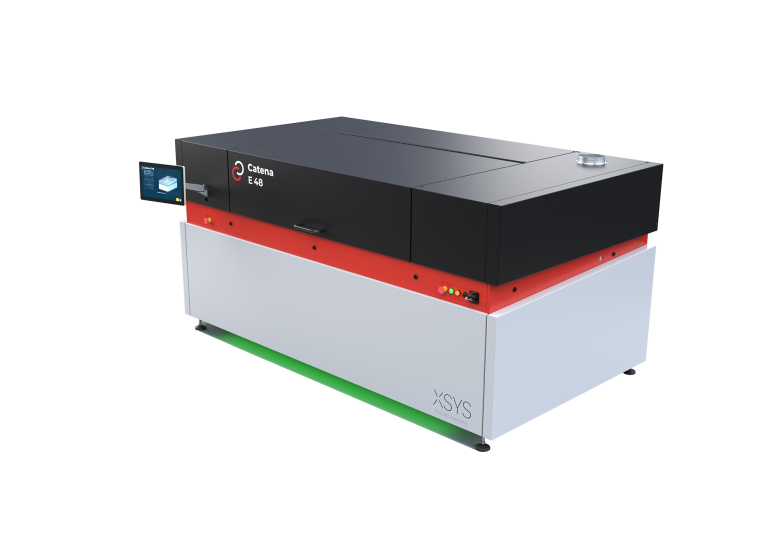
Building on its market-leading portfolio of platemaking equipment, XSYS has announced the introduction of the ThermoFlexX Catena-E 48 unit for LED exposure of flexographic printing plates for the label, folding carton, and flexible packaging markets. The new addition to the Catena product family is a compact solution that delivers highest quality flat-top dot plates at an impressive level of productivity, coupled with low cost of ownership.

“Catena-E LED exposure technology was first introduced to the market in 2020 and the larger Catena-E 80 model for wide web applications was quickly adopted by platemakers and printing companies serving the global flexible packaging and corrugated board markets,” said Christophe Lievens, Global Sales Director XSYS Prepress. “Now with the Catena-E 48, narrow and medium web printers active in labels, folding cartons, and flexible packaging can enjoy the same excellent plate quality with faster LED exposure and consistent operation which will boost their business.”

Exposing plates in a maximum size of 900 x 1200mm (35 x 48”) and up to 6.35mm (0.250”) in thickness, the Catena-E 48 has been built to match the high speed of the TFxX 48-S plate imager from XSYS, which offers an output of 6m2/hr. Exposure takes less than 15 minutes and the unit can be fitted with an automatic plate loading door as an option. Like the Catena-E 80, the new model is also perfect for plates with the finest surface microstructures, such as ThermoFlexX Woodpecker Nano.

Powerful, simultaneous main and back LED exposure ensure excellent plate quality and exceptional productivity, while the enclosed temperature-controlled combined with water-cooled LED modules (fully tested for 20.000+ operating hours) guarantees consistent production of high quality flexo plates. For energy efficiency, the back exposure adapts to the plate loaded, only illuminating LED according to plate size.

To maintain maximum uptime, Catena-E 48 features comprehensive remote support capabilities for calibration, troubleshooting, and preventative maintenance. Replacement of the LED modules, which are reasonably priced, is simple and easy to carry out with basic training or remote guidance from the XSYS engineers.

Excellent feedback is already coming back from early market adopters, such as Tempo Flexible Packaging, which is the first customer in Canada to install the ThermoFlexX Catena-E 48. Bought to replace an older bank exposure unit, the new LED system is allowing the Canadian flexible packaging specialist to improve the quality of its flexo printing and increase its overall productivity.

Craig Labossier, Print Technical Services Manager at Tempo, praised the print quality enabled by the Catena technology, commenting, “With the Catena-E 48, we can hold much smaller minimum dots, and they stay clean throughout the print run, so we can print for longer, which improves productivity and reduces waste. Our customers are also noticing the much cleaner print they’re getting.” He added, “With higher productivity, better quality and increased sustainability, we have truly taken our flexo production to the next level.”

Christophe Lievens concluded, “At XSYS, we continue to expand the offering to the flexo market with solutions that enable printers to be brilliant and serve their customer with best-in-class products. The Catena-E 48 harnesses all the innovative technologies that have placed XSYS at the very forefront of developments in plates and platemaking, and we look forward to witnessing the huge benefits it will bring to the narrow and medium web market.”


www.xsysglobal.com

#modernplasticsindia #plasticmagazine #indianmagazine #indianplasticmagazine #modernplasticsaward #ginujoseph #modernplastic #plasticindia #plasticnews #plasticrecycling #modernplasticsglobalnetwork #modernglobalnetwok #modernplasticsaward2023 #PlasticIndustry

Four Reasons Why Print Continues to Be Essential to Any Successful Marketing Mix

Four Reasons Why Print Continues to Be Essential to Any Successful Marketing Mix

By Erwin Busselot, Director, Business Innovation & Solutions, Ricoh Graphic Communications, Ricoh Europe

We have all been the recipients of some of the many ways marketers communicate with their clients.

Emails, paid adverts, social media, mobile, and content marketing can be quick to set up, affordable, and achieve good reach.

As such it is easy to see why digital marketing might be the first choice over print.

But digital marketing is not as effective as print as I discussed here. Research has shown that while 71% of digital ads are viewable (at least half the ad is viewable and on the screen for at least a second), only 9% are actually viewed, or fixated upon. Display ads such as sponsored banners too are well known for generating relatively few clicks – good for brand building maybe but not so great for creating leads.

Not only is physical mail viewed, but 31% prompts a commercial action.

This should be music to the ears of the 201 American print buyers surveyed by Keypoint Intelligence who attributed 26% of the share of their budget to printed marketing materials.

It should also be why Print Service Providers (PSPs) look to sell the value of print with these four areas of opportunity:

1 Increasing customisation/personalisation

Keypoint Intelligence reported that currently less than a quarter (24%) of total printed communications were being customised beyond the name and address while 60% of respondents expected the share of communications that contained more personalisation to increase over the next three years in America.

Market demand is there. Forbes reports that investing in personalisation efforts can drive revenue growth of 10% to 30% while an overwhelming 70% of American consumers say they will shop exclusively with brands that personally understand them.

2 Adding Digital Print Enhancement

The vast majority of Keypoint Intelligence respondents were interested in enhancing their printing capabilities with a fifth colour for effects like clear coatings and special colours. These also included spot coatings, fluorescent/neon colors, white/clear ink, dimensional effects, raised textures, and metallic foils.

It is an opportunity that could be lucrative too. A Ricoh commissioned survey conducted by NAPCO Research found brand owners in America expect to pay up to 33% more for coatings and textures, 33% more for special colours, such as white, metallic, or fluorescent and 31% more for secure print such as UV or infrared ink.

3 Using e-connectivity

Print buyers were interested in technology that enables the creation of QR codes, augmented reality, or NFC tags. Only 5% of Keypoint Intelligence respondents had no interest in purchasing these types of specialty products in the next two years.

With the pandemic giving QR codes a new lease of life it is now very common to scan them for additional information or to make payment. In fact a survey from European market research firm Appinio found eight in ten European respondents are now used to scanning them, aided by the fact that scanning cameras are now integrated into most mobile phones and 95% of users found them a useful way to get detailed product information.

4 Establishing an online presence

93% of the print buyers Keypoint Intelligence surveyed were buying at least some of their print online with business cards, general office print, and posters, banners, and signage the most common applications being ordered. 84% of respondents that purchase some print online said that at least half of their print buying funds are spent online while nearly 70% who purchase print both online and offline expect their online spending budgets to increase over the next three years.

In a digital first world print buyers are being forced to reinvent themselves. This creates an opportunity for print based on demand for more complex personalisation and specialty printing techniques that ensure memorable print. High speed inkjet and toner technologies are continually evolving to offer enhanced production and application flexibility to deliver creative print, quickly and responsively.

It also allows PSPs to create different routes to selling supported by software solutions that enable ecommerce and web to print capabilities.

It is fantastic to see that, in such a fast paced environment of change, print remains the most reliable way to ensure communications are read, remembered, and crucially, acted upon.

For further information, please visit www.ricoh-europe.com


#modernplasticsindia #plasticmagazine #indianmagazine #indianplasticmagazine #modernplasticsaward #ginujoseph #modernplastic #plasticindia #plasticnews #plasticrecycling #modernplasticsglobalnetwork #modernglobalnetwok #modernplasticsaward2023 #PlasticIndustry #ricoheurope

Borealis Launches Portfolio of Circular Plastomers and Elastomers Based on Renewable Feedstock

Borealis Launches Portfolio of Circular Plastomers and Elastomers Based on Renewable Feedstock

  • Borealis introduce the Bornewables line of Queo, a range of plastomers and elastomers based on renewable feedstock
  • The introduction follows the International Sustainability and Carbon Certification (ISCC PLUS) of Borealis’ production site for the Queo portfolio, in Geleen, the Netherlands
  • The new line will enable Borealis to meet growing customer demand for sustainable solutions that don’t compromise on quality or performance
  • Another step in the EverMinds mission to lead the transformation to a circular economy

Recent years have seen a steady increase in the demand for high-performance plastomers and elastomers that combine the physical properties of rubber with the processing advantages of a thermoplastic material. This trend has been accompanied by a growing urgency in the demand for sustainable solutions that offer the same material performance but with circular content and a reduced carbon footprint.

Borealis’ production location in Geleen, the Netherlands, is the production site for Queo, Borealis’ range of high-performance polyolefin plastomers and elastomers. In March 2023, the facility received the International Sustainability and Carbon Certification (ISCC PLUS), thus enabling Borealis to introduce a new product line to meet customer demand for circular solutions: the Bornewables line of Queo.

Produced with ISCC PLUS–certified renewable feedstock, the new line represents an expansion of the Bornewables portfolio of circular polyolefin products, which offer the same material performance as fossil-based polyolefins, yet decoupled from fossil-based feedstock and with reduced carbon emissions.

A value-add solution offering increased sustainability with no compromise on quality

Produced using proprietary Borceed technology, Queo products bridge the performance gap between conventional plastics such as polyethylene (PE) and conventional elastomers like ethylene propylene diene monomer (EPDM). Applications include automotive, flexible and rigid packaging, housewares, and wire and cables.

“The Bornewables line of Queo is a value-add solution that will enable Borealis’ customers to continue to benefit from Queo’s unmatched sealability, flexibility, compatibility and processability properties, while also meeting their sustainability goals.“ says Britta Warnke, Borealis Vice President Commercial, Advanced Products and Mobility.

The Bornewables line of Queo products is ISCC PLUS certified based on a mass balance approach, a chain of custody model that makes it possible to track, trace and verify sustainable content from feedback through to finished product. Bornewables feedstock is derived solely from waste and residue streams: from vegetable oil products as well as oil waste and residues — for instance, used cooking oil.

The use of renewable feedstock is a key component of Borealis’ Circular Cascade approach, which illustrates how the company aims to lead the transformation of the plastics industry from linear to circular production.

The launch of circular plastomers and elastomers represents another step towards Borealis achieving its circular economy targets: by 2025, Borealis targets a four-fold increase in share of circular products and solutions to 600 kilotonnes per annum. By 2030, the volume of circular product and solutions is set to reach 1.8 million tonnes per annum globally, turning today’s plastic waste into a valuable resource to be reused.

“The Bornewables line of Queo plastomers and elastomers strengthens our position as a global circular economy leader”, says Chris McArdle, Borealis Vice President Circular Economy Solutions and New Business Development. This launch marks another step on our EverMinds mission to lead the transformation to a circular economy for plastics and again underlines how we re-invent essentials for sustainable living .”

www.borealisgroup.com | www.borealiseverminds.com


#modernplasticsindia #plasticmagazine #indianmagazine #indianplasticmagazine #modernplasticsaward #ginujoseph #modernplastic #plasticindia #plasticnews #plasticrecycling #modernplasticsglobalnetwork #modernglobalnetwok #modernplasticsaward2023 #PlasticIndustry #borealisgroup #borealiseverminds

SABIC’s New Sustainable LNP Compound Will Add to 400 Million Diverted Water Bottles and Deliver Thin-Wall, Non-br/Cl Flame Retardance to 0.4 mm for Electrical Industry

SABIC’s New Sustainable LNP Compound Will Add to 400 Million Diverted Water Bottles and Deliver Thin-Wall, Non-br/Cl Flame Retardance to 0.4 mm for Electrical Industry

SABIC, a global leader in the chemical industry, today launched LNP ELCRIN WF0051iQ compound featuring thin-wall, non-brominated/non-chlorinated flame retardance (FR). It is the newest addition to the company’s growing family of sustainable iQ resins and it is well suited for electrical applications. The new grade will increase SABIC’s already significant diversion of post-consumer polyethylene terephthalate (PET) water bottles, which are chemically upcycled into polybutylene terephthalate (PBT) resin. At the end of 2022, the company had already diverted 400 million 0.5-liter bottles through its iQ upcycling technology.

“LNP ELCRIN WF0051iQ compound can offer the electrical industry a novel solution that can significantly improve sustainability while delivering tailored performance properties that are essential for ever-smaller and more-powerful components,” said Joshua Chiaw, Director, Business Management, LNP & NORYL, Specialties, SABIC. “This portfolio expansion has the potential to help accelerate the diversion of discarded, single-use water bottles to avoid landfilling and ocean contamination. Chemical upcycling is an important part of our overall net-zero strategy.”

Smaller Carbon Footprint

Compared to standard, fossil-based virgin PBT resin, LNP ELCRIN WF0051iQ compound’s carbon footprint is 11 percent less. This reduction is due, primarily, to the incorporation of 39 0.5-liter PET water bottles in each kilogram of LNP ELCRIN WF0051iQ compound, representing a minimum of 27 percent of the content. SCS Global Services (SCS) has audited and provided independent verification that the manufacturing processes for LNP ELCRIN iQ compounded resins adhere to the SCS Recycled Content Standard, and that the supply chain meets criteria for responsible sourcing including social, environmental, health and safety requirements (Certified Green Products Guide | SCS Global Services). This process conserves natural resources.

Beyond the reuse of waste plastic, LNP ELCRIN WF0051iQ compound can offer additional sustainability benefits. For example, the ability to design thin walls with this compound helps reduce the consumption of fossil-based raw materials, and the FR formulation helps avoid the use of bromine and chlorine, two semi-volatile organic compounds that are linked to health and environmental risks.

The desirable combination of thin-wall FR, long-term property retention and glass fiber reinforcement for stiffness and high flow to enable complex geometries makes LNP ELCRIN WF0051iQ compound well suited for miniaturized electrical components such as connectors, switches and sockets. The product is available in custom colors.

High Performance for Electrical Applications

The new resin is the first LNP ELCRIN iQ compound to meet the UL94 V0 standard for fire resistance at 0.4 mm and has received a Yellow Card listing under the UL Plastics Recognition Program for the signature sustainability green color. The material’s relative thermal index (RTI) is 130°C at 0.4 mm, and the comparative tracking index (CTI) is 2, contributing to safety and reduced material requirements that can lower the cost of tooling and accelerate time to market. Complementing these exceptional performance properties are many processability benefits, including high flow for fast throughput, and low abrasion properties, compared to alternatives.

“With our cross-functional expertise, we fast-tracked the development of this novel thin-wall, non-Br/Cl Flame retardant LNP ELCRIN WF0051iQ compound in order to extend the sustainability benefits of this unique resin family to more customers as soon as possible,” said Luc Govaerts, Technology Director, Specialties, SABIC. “This effort underscores our strong commitment to meeting the needs of the electrical industry for specialized materials to enable new designs and advanced technologies.”

In addition to electrical components, LNP ELCRIN WF0051iQ compound is well suited for use in critical medical devices and appliance applications. This material is globally available.

SABIC’s LNP ELCRIN WF0051iQ compound, featuring thin-wall, non-brominated/non-chlorinated flame retardance (FR), is the newest addition to the company’s growing family of sustainable iQ resins and it is well suited for electrical applications. The new grade is developed through the chemical upcycling of post-consumer polyethylene terephthalate (PET) water bottles into polybutylene terephthalate (PBT) resin.


www.sabic.com


#modernplasticsindia #plasticmagazine #indianmagazine #indianplasticmagazine #modernplasticsaward #ginujoseph #modernplastic #plasticindia #plasticnews #plasticrecycling #modernplasticsglobalnetwork #modernglobalnetwok #modernplasticsaward2023 #PlasticIndustry #sabic

Tosaf Launches New Additive for Halogen-Free Flame Retardancy (HFFR) of PE Foams

Tosaf Launches New Additive for Halogen-Free Flame Retardancy (HFFR) of PE Foams

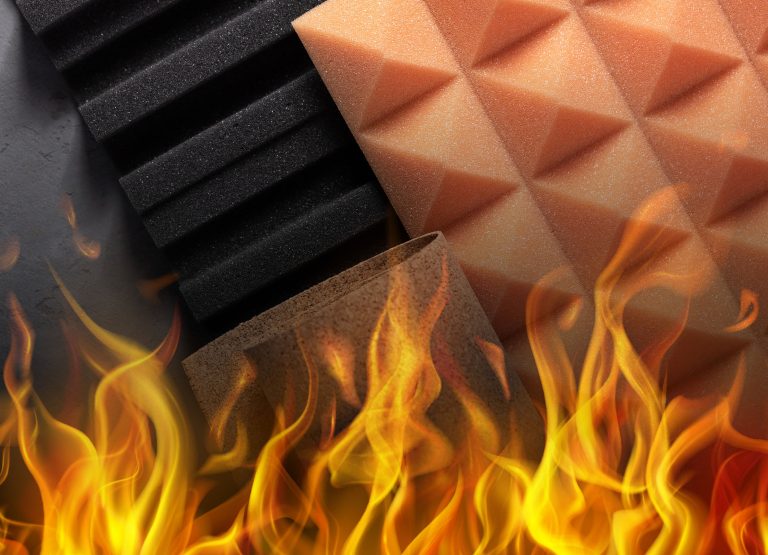
FR9185PE is a halogen-free flame retardant (HFFR) additive newly developed by Tosaf for crosslinked and non-crosslinked polyethylene foams, to enlarge its extensive portfolio of market-proven products. Even at low concentrations, it helps prevent the spread and acceleration of fire. It thus facilitates compliance with demanding fire protection standards in industries such as construction, pipe insulation, automotive and shipment packaging.

Their high corrosion resistance, dimensional stability and thermal insulation effect a steadily growing use of PE foams in a wide range of applications including acoustic and mechanical dampers as well as flooring, pipe insulation, and decorative elements. However, their low fire resistance requires the addition of flame retardants. Here, the trend is toward halogen-free formulations for environmental and safety reasons, especially in Europe and the US. Tosaf has expanded its range of flame-retardant masterbatches to include appropriate solutions that do not impair the properties of the foam, but at the same time enable compliance with international fire protection standards.

High efficiency at low concentrations

As the latest representative of these HFFR masterbatches, the new FR9185PE is suitable not only for non-crosslinked but also for crosslinked PE foams. In the event of fire, its phosphorus-based active ingredient initiates a gaseous mechanism that stops combustion by reacting with the resulting free radicals. For achieving a similar performance as with halogen-based mechanisms, 10% to 15% of this product is required. By comparison, other halogen-free systems, which either rely on the formation of a protective layer that suffocates the fire or of water vapor to cool the combustion, require 30% to 60% of addition dosage.

FR9185PE ensures effective dispersion in the foam and does not negatively affect foam nucleation or crosslinking levels, resulting in a consistent cell structure and a high-quality foam product with preserved mechanical properties and thermal stability.

Expanding the portfolio of conventional flame-retardant additives

Halogen free flame retardants are relatively new in the market. Their development is complex, and it is quite difficult to find the diversity which halogen-based products are offering. Thus, FR9185PE EU is considered innovative.

For applications that are still demanding halogen-based products, Tosaf’s portfolio covers a wide variety of products.

Chlorine-based flame retardants such as FR9327PE offer good performance, they are cost-effective and can be used for non-crosslinked PE foams. However, they are not suitable for crosslinked PE and they have limited thermal stability.

Brominated flame retardants such as FR1653PE are suitable for all types of PE foams. They provide high thermal stability, excellent performance meeting stringent fire standards and do not affect the properties of the foamed product.

New production plant for flame retardant materials

To meet the growing demand for flame retardants, Tosaf has invested in a new, state-of-the-art production facility. A laboratory with state-of-the-art equipment is available for testing in accordance with a wide range of fire standards, including a cone calorimeter for full combustion analysis. In addition, the company has established pilot lines that simulate real production conditions and allow flame retardant additives to be tailored for specific applications.

www.tosaf.com


#modernplasticsindia #plasticmagazine #indianmagazine #indianplasticmagazine #modernplasticsaward #ginujoseph #modernplastic #plasticindia #plasticnews #plasticrecycling #modernplasticsglobalnetwork #modernglobalnetwok #modernplasticsaward2023 #PlasticIndustry #tosaf

Tempo Takes Flexo to the Next Level With Game-Changing Exposure Technology From XSYS

Tempo Takes Flexo to the Next Level With Game-Changing Exposure Technology From XSYS

The Canadian flexible packaging specialist has improved the quality of its flexo printing and increased overall productivity by installing the first ThermoFlexX Catena-E 48 in North America. A trailblazer in sustainability, Tempo chose the UV LED exposure unit from XSYS due to the advanced automation, reduced energy consumption, and higher operational speed.

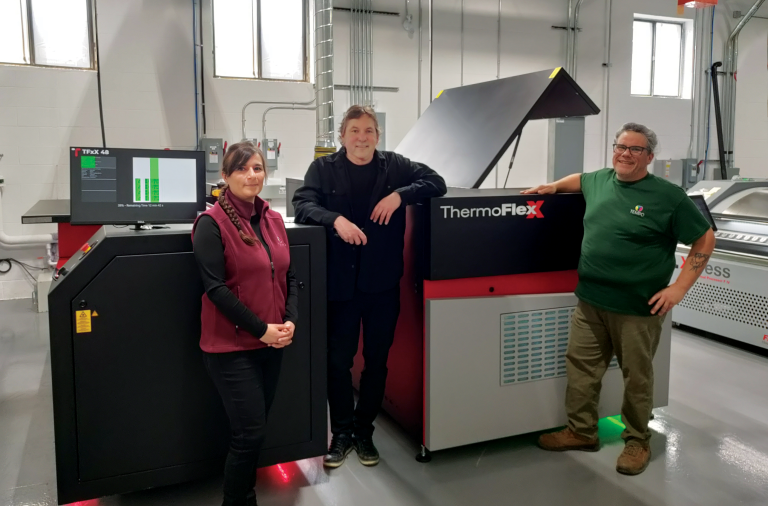
First established in 1970 as a poly bag manufacturer, Tempo Flexible Packaging Inc. has spent the past two years implementing a large-scale investment plan. Over 10,000 square feet have been added to the sizeable facility in Innisfil, north of Toronto, Ontario, along with the installation of new equipment, including a new CI flexo press from Germany. The ambitiousproject also involved upgrading the plate room, which already contained a ThermoFlexX 48 imager and Xpress Thermal processor, before the new Catena-E 48 exposure unit from XSYS was introduced late last summer.

The family-run company is the largest employer in the area with over 170 employees and supplies a wide variety of flexible pouches, as well as roll stock and bags, to the food, pet food, and lawn and garden industries across North America. As a vertically integrated manufacturing facility, Tempo is certified to FSSC 22000 v 5.1 standards, with all processes contained within the business, from extrusion, coating, printing, laminating and slitting to final bag- and pouch-making. At the helm sit the children of co-founder Joseph Giglio; Lee-Anne Giglio is the company’s COO, while her brother Leonardo Giglio is the OPTIMIST & CEO.

Sustainability is the core focus for Tempo, and it is reflected in its drive for product innovation and commitment to environmentally-friendly production methods. “Our company vision is to be the preferred partner of sustainable and socially responsible flexible packaging solutions in North America,” states Lee-Anne. “And we always choose our partners, technologies and equipment with that vision in mind.”

The winning contender

Always striving to deliver exceptional packaging solutions for every client, Tempo Flexible Packaging continues to improve every aspect of its flexo printing operation. When it comes to choosing new equipment, the evaluation process is rigorous as technology from different manufacturers is subjected to close scrutiny before the final purchasing decision is made.

Craig Labossier is the Print Technical Services Manager at Tempo. He explained, “We had a pre-existing relationship with XSYS since we purchased the ThermoFlexX imager and Xpress processor in 2020, but we still did due diligence to ensure we got the best machine. Ultimately, we were down to two contenders, and it quickly became clear that the Catena-E technology had a strong advantage.”

The Catena-E 48 thermal system can image plates in sizes up to 900 x 1200mm (35 x 48”), enabling precise image reproduction and fine relief elements at faster speeds, perfect for the type of flexible packaging applications that Tempo specializes in. And in terms of sustainability, not only do the LEDs use less energy than conventional lamps, more savings are achieved when exposing smaller plates as only the LEDs directly below the plate are active.

Instant improvement in quality

The Catena-E 48 LED exposure unit replaced an older conventional bank exposure unit that was causing quality issues for Tempo. “Even though we are already an award winning printer, we were never really that satisfied with the old unit and had been aiming towards switching to LED exposure for a while, knowing that it would give us the quality push we needed,” said Craig.

Set up to work seamlessly with the ThermoFlexX 48 imager and Xpress processor, the Catena did not disappoint and immediately made its presence known. “Right away, the new unit solved our problems, and there was a dramatic improvement in the print quality,” Craig said with satisfaction. “With the Catena-E 48, we can hold much smaller minimum dots, and they stay clean throughout the print run, so we can print for longer, which improves productivity and reduces waste. Our customers are also noticing the much cleaner print they’re getting.”

Further improving the results and the sustainability, Tempo is applying ThermoFlexX Woodpecker Sharp surface screening to their plates, which helps control the ink flow to deliver a smoother laydown, with less ink used and faster press speeds enabled. The pattern is not embedded in the job files, but applied directly during imaging, making the workflow less complex.

Smooth transition to LED

After witnessing a big difference in the productivity of the plate room, as well as the final print results, the team at Tempo was convinced that the Catena-E 48 from XSYS was the right choice. In addition, the ease of use and high level of automation provided by the unit made the transition process to the new LED technology quick and straightforward.

“The installation of the Catena-E 48 was very smooth; it simply slotted into the existing setup with the imager and thermal processor. It took less than a day to get the machine up and running, including the print trials on the press,” commented Craig. He concluded, “We now have the best possible workflow in our plate room and can run our presses faster for longer. With higher productivity, better quality and increased sustainability, we have truly taken our flexo production to the next level.”

www.xsysglobal.com


#modernplasticsindia #plasticmagazine #indianmagazine #indianplasticmagazine #modernplasticsaward #ginujoseph #modernplastic #plasticindia #plasticnews #plasticrecycling #modernplasticsglobalnetwork #modernglobalnetwok #modernplasticsaward2023 #PlasticIndustry #xsysglobal

Asahi Kasei and Microwave Chemical Launch Joint Demonstration Project for Chemical Recycling of Polyamide 66 Using Microwave-based Technology

Asahi Kasei and Microwave Chemical Launch Joint Demonstration Project for Chemical Recycling of Polyamide 66 Using Microwave-based Technology

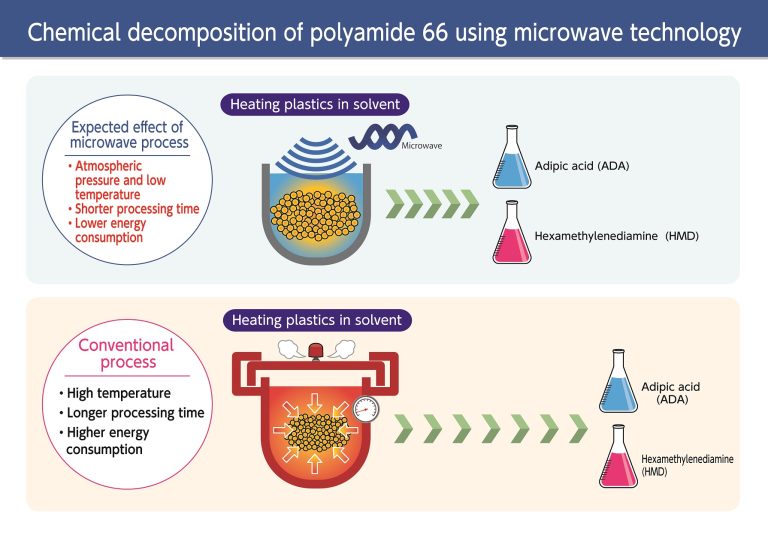
Asahi Kasei and Microwave Chemical launched a joint demonstration project in April 2023 with the objective of commercializing a chemical recycling process for polyamide 66 using microwave technology. The process utilizes microwaves to depolymerize PA66 and directly obtain the monomers hexamethylenediamine (HMD) and adipic acid (ADA), which is expected to be accomplished at high yield with low energy consumption. The monomers obtained can then be used to manufacture new PA66. In the demonstration, scraps from manufacturing and post-use waste material of PA66 for airbags and automobile parts are depolymerized.

Asahi Kasei produces fossil fuel–derived hexamethylenediamine (HMD) and adipic acid (ADA) as intermediates to manufacture Leona PA66, an engineering plastic featuring outstanding heat resistance and rigidity. PA66 is used in various applications, including plastic parts for automotive and electronic products, and yarn for airbag fabric, and its demand is expected to increase worldwide.

As the world moves toward carbon neutrality, attention is increasingly focused on manufacturing processes for reducing greenhouse gas (GHG) emissions from chemical products derived from fossil fuels. Microwave Chemical is promoting technological and business development to achieve carbon neutrality in the industrial sector focused on process development using microwaves, which can directly and selectively heat target substances with high energy efficiency. For chemical recycling, Microwave Chemical is advancing its proprietary PlaWave technology platform for decomposing plastic using microwaves.

Through development combining Asahi Kasei’s experience in manufacturing HMD and ADA for more than half a century together with Microwave Chemical’s achievements in the industrialization of microwave technology, the two companies aim to commercialize a manufacturing process for PA66 that can reduce GHG emissions compared to the conventional manufacturing process. Laboratory-scale studies that began in fiscal 2021 have confirmed the high-yield depolymerization of PA66 using microwaves, as well as the principle of the separation and purification process after depolymerization. Bench-scale equipment will now be assembled at Microwave Chemical’s Osaka Factory by the end of fiscal 2023, and a small-scale demonstration trial using this equipment will be performed in fiscal 2024 to collect basic process data for ommercialization.

Microwave Chemical’s PlaWave technology platform for decomposing plastic using microwaves can depolymerize PA66 with low energy and obtain HMD and ADA monomers in high yield. The manufacturing process for PA66 using HMD and ADA obtained by depolymerization with this technology is expected to reduce GHG emissions compared to the conventional PA66 manufacturing process, while further reduction of GHG emissions may be achieved by the use of renewable energy for the power required to generate the microwaves.

By verifying the process from depolymerization to separation and purification in an integrated manner, this demonstration project aims to enable resource circulation of PA66 for further reduction of GHG emissions.

Moving forward, based on the results of the small-scale demonstration trial, a decision on the possibility of commercialization will be made by fiscal 2025 following detailed analysis. Concurrently with the small-scale demonstration trial, construction of a business model that involves the entire value chain in the chemical recycling of PA66 will be advanced, aiming to achieve a circular economy together with stakeholders in the PA66 value chain.

Asahi Kasei aims to be a global partner for its PA66 customers by providing optimal solutions for their carbon neutrality initiatives through studies of the practical application of material recycling and chemical recycling as well as trials for the commercialization of PA66 made using biomass-derived intermediates.

Microwave Chemical is working to increase the scale of equipment and to make PlaWave more generally applicable in order to achieve the practical application of the chemical recycling of polymethyl methacrylate (PMMA, also called acrylic resin), automotive shredder residue (ASR), plastic containers and packaging, flexible polyurethane foam, etc.

For more information, visit www.asahi-kasei.com.


#modernplasticsindia #plasticmagazine #indianmagazine #indianplasticmagazine #modernplasticsaward #ginujoseph #modernplastic #plasticindia #plasticnews #plasticrecycling #modernplasticsglobalnetwork #modernglobalnetwok #modernplasticsaward2023 #PlasticIndustry #asahikasei

Arburg Showcases Itself as a Full-Service Partner

Arburg Showcases Itself as a Full-Service Partner

  • Anniversary: Introducing the new Allrounder 470 H
  • Focus: Digitalisation and sustainability
  • More components: Allrounder More for medical technology

At Plastpol, the most important trade fair for the plastics industry in Poland and Eastern Europe, which will be held in Kielce, southwest of Warsaw, between 23 and 26 May 2023, Arburg will be represented with an appropriately innovative exhibition programme tailored to the market. On display at Stand E30 in Hall E will be the new Allrounder 470 H, which the company has launched to mark the anniversary of “100 years of the Hehl family company”. The key topics of digitalisation and sustainability will also be highlighted with a range of products and services centred around “arburgXworld” and “arburgGREENworld”. In addition, there will be a fascinating multi-component application for the medical technology sector featuring an Allrounder More.

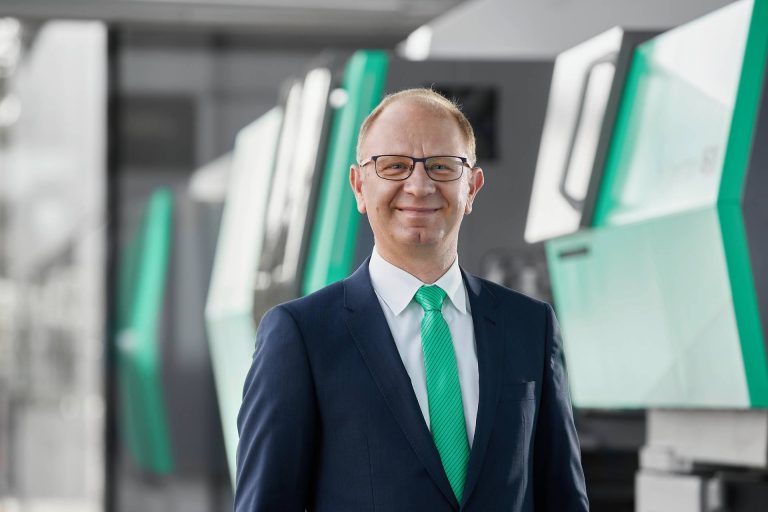
Konrad Szymczak, Managing Director of Arburg Poland, has this to say about the Eastern European market and Arburg’s exhibition programme: “The market in Poland and Eastern Europe is still in good shape, but is currently unstable because of the situation in Ukraine. Our portfolio is primarily aimed at customers from the packaging, medical technology and automotive industries. In addition, we will be presenting turnkey solutions that showcase Arburg as a comprehensive system service provider. In Poland, we can offer the entire range of products – so not only our Allrounders and robotic systems, but also comprehensive service, fast spare parts deliveries and turnkey production systems. This is just one of the reasons why Arburg Poland has a great reputation in the market in all industry segments. With our presence at Plastpol, we want to demonstrate our capabilities and innovative strength and expand our position in the future.”

New Allrounder 470 H: 50 per cent lower energy requirement

Arburg is launching a new machine technology with the milestone machine and is now presenting the hybrid Allrounder 470 H for the first time in Polen. The machine enables customers to leverage the benefits of the combination of electric clamping unit, hydraulic injection unit and the “Comfort”, “Premium” and “Ultimate” performance variants in a way that is even more customised to their needs, coupled with a reduction in acquisition and operating costs and a significantly smaller carbon footprint. In addition to the attractive price/performance ratio, Szymczak believes that the machine’s energy efficiency and precision, comparable to that of an electric machine, is a convincing argument in its favour.

The technical facts of the new hybrid series speak for themselves: compared to a corresponding hydraulic machine, the energy footprint of the Allrounder 470 H is up to 50 per cent smaller. This means that, depending on the application, up to 12,000 kg of CO2 can be saved each year. Another feature that helps conserve resources is the new oil management concept, which not only requires around 35 per cent less oil, but also uses waste heat from the machine to preheat the oil. The required cooling water capacity is also between 50 and 70 per cent lower. A reduction in the dry cycle time of up to 33 per cent results in significantly greater production efficiency.

At Plastpol, the anniversary machine Allrounder 470 H will be producing coffee cups with a lid, which will be filled with sweets using a simple automated mechanism on the machine – making them an ideal trade fair give-away.

Digitalisation: Demo version of “arburgXworld”

Visitors to Plastpol will also be able to find out on the Arburg stand how digitalisation can be achieved in a practical way in modern injection moulding companies. A demo version of the arburgXworld customer portal with all the apps will be on hand for testing. Users can get started free of charge with apps such as  MachineCenter, ServiceCenter and Shop, which offer a better overview, simple communication, increased flexibility and faster responses. This saves considerable time and costs in day-to-day operations. At a demo screen during the fair, these basic features can be easily tried out with the help of specialists. In addition, Plastpol visitors can find out more about the arburgGREENworld programme and Arburg’s activities in the areas of sustainability, energy and production efficiency, resource conservation and carbon footprints.

Medical technology: Automated Allrounder More

Using an automated system for the production of ready-to-use two-component moulded parts, Arburg will be showing how time and costs can be saved through function integration with an Allrounder More 1600. Four Luer connectors made of PP and TPE, which are used as closure caps in the pharmaceutical industry, are produced in a cycle time of around ten seconds. The 4+4-cavity injection mould is provided by Arburg partner Braunform. The special feature: four servo-electric mould axes from Arburg’s sister company AMKmotion monitored via the Gestica control system. They control the sequences for core-back, lifting the lid, covering the closures and unscrewing the Luer threads directly in the mould. The Yaskawa six-axis robot, which is also integrated into and programmable via the Gestica control system, removes the finished parts and feeds them one by one to an inline camera inspection for quality and statistical purposes before they are deposited into containers separated by cavities.

The milestone machine will be making its debut at Plastpol 2023. The hybrid Allrounder 470 H sets the stage for a new type of machine technology that is particularly good at saving energy and conserving resources, and is efficient in production, user-friendly and reliable.


Further information about Arburg can be found at www.arburg.com


#modernplasticsindia #plasticmagazine #indianmagazine #indianplasticmagazine #modernplasticsaward #ginujoseph #modernplastic #plasticindia #plasticnews #plasticrecycling #modernplasticsglobalnetwork #modernglobalnetwok #modernplasticsaward2023 #PlasticIndustry #arburg

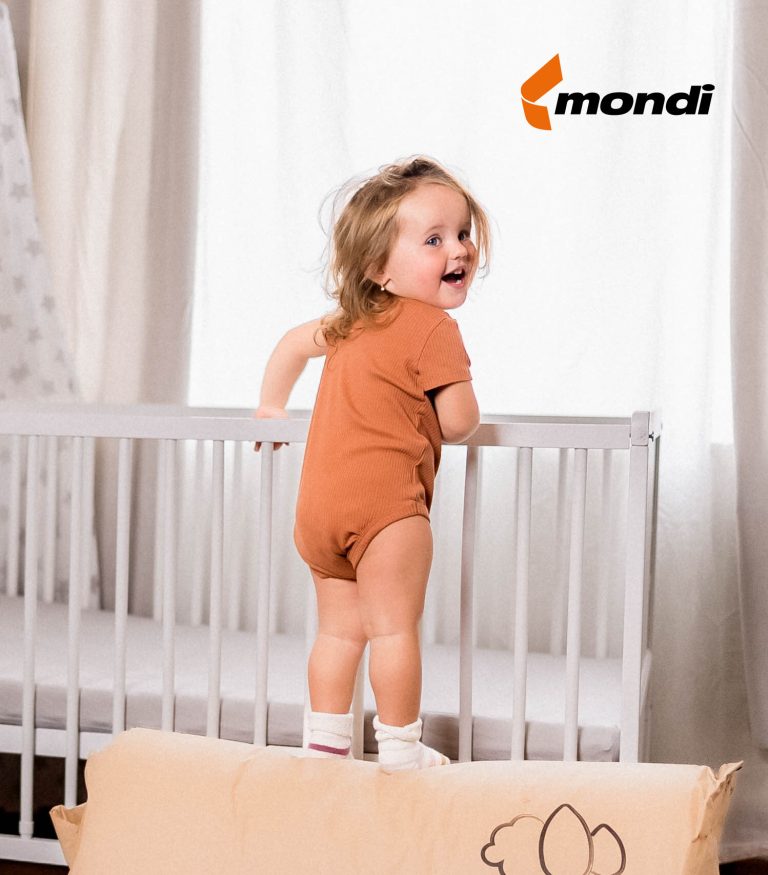
No More Rolling in Plastic – Megaflex Schaumstoff Switches to Mondi’s Paper Solution for Rollpacking Mattresses

No More Rolling in Plastic – Megaflex Schaumstoff Switches to Mondi’s Paper Solution for Rollpacking Mattresses

  • Mondi partnered with mattress producer Megaflex Schaumstoff to introduce Protector Bag ExpandForm for mattress rollpacking
  • Created from Mondi kraft paper, the new packaging is made from renewable materials and is easy to dispose of and recycle in existing paper waste streams
  • The paper bag is customisable in size, and requires little adaption to existing packing equipment

Mondi, a global leader in sustainable packaging and paper, has created Protector Bag ExpandForm, a paperbag solution with an expandable feature to safely rollpack mattresses.

Protector Bag ExpandForm replaces the current plastic packaging with a flexible and recyclable alternative. The solution is also customisable and can expand to different sizes while holding the mattress securely. The packaging is made with Mondi’s kraft paper, which is responsibly sourced and renewable, and can be recycled contributing to a circular economy. The paper bag is puncture resistant and suitable for printing, meaning brands can customise their deliveries with a high-quality finish. Unlike plastic, the paper layers are also breathable and can emit gas that can evaporate easily with this new packaging.

Megaflex Schaumstoff, a family-owned manufacturer for flexible foams and mattresses and sleeping products, is the first company to protect its products with this new packaging. Megaflex collaborated closely with Mondi and machine producer FillMatic to ensure a smooth switch from its current plastic rollpacking equipment. The collaboration meant that the new solution was quickly up and running and with only a few adaptations to the packaging machinery. Looking forward, Megaflex plans to substitute the full range of plastic rollpacking with paper by the end of 2023 using Mondi’s Protector Bag ExpandForm.

Plastic rollpack wrapping can expand up to 200% in transit, taking up space and potentially deforming outer cardboard packaging. A benefit of Protector Bag ExpandForm meanwhile is that it is dimensionally stable – saving on shipping and storage costs.

Fabio Barbieri, Sales Director Paper Bags, Mondi, says: “Consumers are actively seeking packaging that is responsibly sourced and easy to recycle. This new solution ticks both boxes: it is easier to open and to dispose compared to large rolls of plastic and avoidable packaging used previously. Protector Bag ExpandForm needs no secondary packaging to protect the product and will be stable throughout the whole delivery journey. We are proud to be the first ones to introduce this innovative solution to the market.”

Karsten Löhr, Managing Director, Megaflex Schaumstoff says: “The Protector Bag ExpandForm is a perfect fit for our mattresses and the plastic saving we estimate is significant – over 18 tonnes every year! The paper packaging is appreciated by our customers, and a big step forward in our sustainability journey, and thanks to our good partnership with Mondi we can use more sustainable packaging, that positively contributes to our sustainability commitments.”

Mondi will be showcasing the Protector Bag ExpandForm and other innovative solutions tailored to the mattress, bedding and upholstery industry at interzum in Cologne Germany, from 09 to 12 May 2023 (Hall 10.1, booth G060).

No More Rolling in Plastic – Megaflex Schaumstoff Switches to Mondi’s Paper Solution for Rollpacking Mattresses


www.mondigroup.com


#modernplasticsindia #plasticmagazine #indianmagazine #indianplasticmagazine #modernplasticsaward #ginujoseph #modernplastic #plasticindia #plasticnews #plasticrecycling #modernplasticsglobalnetwork #modernglobalnetwok #modernplasticsaward2023 #PlasticIndustry #mondigroup