Thursday, July 2, 2026
spot_img
Home Blog Page 164

Yili Group and Sidel Strengthen Strategic Partnership and Drive Innovation Through Installation of Versatile Aseptic Lab Filler

Yili Group and Sidel Strengthen Strategic Partnership and Drive Innovation Through Installation of Versatile Aseptic Lab Filler

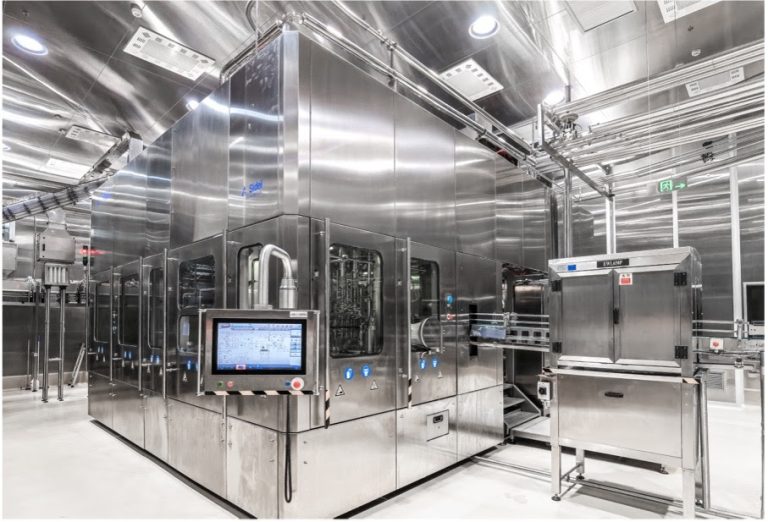
Yili Group, Asia’s largest dairy company, received support and expertise from Sidel to install a versatile Aseptic Lab filler, which has been designed primarily for research and development and is situated in Yili’s specially constructed facility. It will enable the regional market leader to launch new products and adapt existing bottles, further enhancing its reputation for innovation.

Already in operation, Sidel’s versatile Aseptic Lab filler has been designed with the customer’s specific needs in mind and will allow Yili to lead the market in innovation and versatility while providing a platform to rapidly develop and launch products more efficiently. Compact in scale, the versatile Aseptic Lab filler was conceived to enable Yili to research and test product designs, enabling test runs consisting of a small number of bottles with different shapes and sizes. Entirely flexible, the line also allows Yili’s developers to customise any element of the test projects, ranging from the overall product to the specific neck, bottle format or capping. In addition to the several types of aseptic filling processes for both still and carbonated drinks, this lab line can handle other types of filling processes, such as hot filling. Additional benefits include huge flexibility, simplicity of operation, comprehensive maintenance and troubleshooting.

As a provider of healthy food and a strong advocate of a healthy lifestyle, Yili aligns closely to its highest principle belief of quality being as precious as life itself. Yili has been supported by Sidel in meeting new demands for products, helping to maintain its leading position in the dairy market and to develop its presence in the market of other soft drinks.

The delivery of Sidel’s versatile Aseptic Lab filler, along with a new EvoBLOW eHR with six cavities, benefited from a combination of expertise, both in China and across the world. The impact of the COVID-19 pandemic created many challenges during the assembly of the line. However, Sidel and Yili cooperated very closely to ensure the successful completion of the project. The installation and technical assistance were delivered fully through professional guidance, conducted remotely via virtual calls by Sidel, and executed on the ground by experienced engineers based in Greater China.

Sidel and Yili have forged a strategic partnership which commenced in 2017. Sidel’s values of customer excellence, collaboration, innovation, and sustainability align with similar values typical of Yili Group too, who assessed equipment capacity, technical support, ability to innovate, product quality, sustainable development and service across the board in their search for a strategic partner.

Filippo Fu, Sidel Regional Sales Director China, said: “The official launch of the PET versatile Aseptic Lab filler in Yili’s Shanghai innovation centre represents the further deepening of the strategic partnership between Yili and Sidel, from equipment supplying to all-round cooperation in packaging development, product development, resource and knowledge sharing. In relying on Sidel’s new PET versatile Aseptic Lab filler, Yili will not only continue to consolidate and expand its leading position in PET dairy packaging but also lay a solid foundation for further expanding its popularity and influence in the beverage industry. Yili’s choice also proves the value and contribution of Sidel in food safety, packaging innovation and sustainable development.”

Innovation and sustainability are of mutual importance to both Sidel and Yili. The ongoing strategic partnership will enable Sidel to support Yili in leading in this area, with the newly-installed versatile Aseptic Lab filler providing the means to develop designs and products which maintain an existing level of sustainability. It will also be able to experiment and attempt breakthroughs in energy conservation, in addition to consumption and emission reduction, which can be shared to enable Sidel to further strengthen its service to customers.

www.sidel.com


#modernplasticsindia #plasticmagazine #indianmagazine #indianplasticmagazine #modernplasticsaward #ginujoseph #modernplastic #plasticindia #plasticnews #plasticrecycling #modernplasticsglobalnetwork #modernglobalnetwok #modernplasticsaward2023 #PlasticIndustry #sidel

Acceptance and Use Cases for Autonomous Vehicles Differ Greatly Among Major Automotive Markets – Global Car User Survey by Asahi Kasei

Acceptance and Use Cases for Autonomous Vehicles Differ Greatly Among Major Automotive Markets – Global Car User Survey by Asahi Kasei

A new global survey by Asahi Kasei reveals major differences among the world’s four largest automotive markets in terms of brand loyalty, understanding of sustainability, and acceptance of purely battery-powered and self-driving cars. The usage scenarios of fully autonomous vehicles paint a picture of the mobility of the future.

In November 2022, the Japanese technology company Asahi Kasei and the Cologne-based market research institute SKOPOS conducted their fourth “Automotive Interior Survey” in the four most important automotive markets: Germany, China, the USA and Japan. 1,000 vehicle users with different income levels in each market answered questions about their purchasing behavior, understanding of automotive sustainability, as well as acceptance and usage scenarios for autonomous vehicles.

Brand loyalty globally continues to decrease

The results of the new survey show respondents in all four regions prefer to own a car also in the future. One in two respondents in Germany and the U.S. can imagine purchasing a new car; this proportion is significantly higher in China (79%) and Japan (62%). In contrast, not owning a car or using car-sharing services only is not yet an option for respondents in Germany (11%), the USA (3%) and Japan (4%).

In Germany, the USA and Japan, as in recent years, one in two vehicle users would choose a model from another brand when buying their next car. In China, 82% of the respondents would choose a car from another manufacturer. By comparison, in 2020 only 41% could imagine switching brands. The rapidly growing range of domestic brands in the world’s largest car market will further intensify the competition for customers’ favor in the coming years. In addition, the differentiation via price, drivetrain technology, as well as interior equipment and functions is becoming increasingly important.

Michael Franchy, Director of North American Mobility for Asahi Kasei America states “to address this challenge, OEMs need to partner with suppliers, who have expertise across interior, exterior and electrification, which will allow them to shorten development times and bring new features and functions to market quicker.”

Range and charging times are key when buying electric cars

58% of the respondents in China would consider buying a purely battery-powered electric car. In Germany, only 29% choose this option, in the USA (21%) and Japan (18%). Among potential EV buyers in all regions, range and charging time are important factors in the purchase decision. 39% of the potential EV buyers in Germany also look at the CO2 emissions during vehicle production. This shows the issue of sustainability is becoming more important and more complex in the purchasing decision process.

The understanding of sustainability is changing

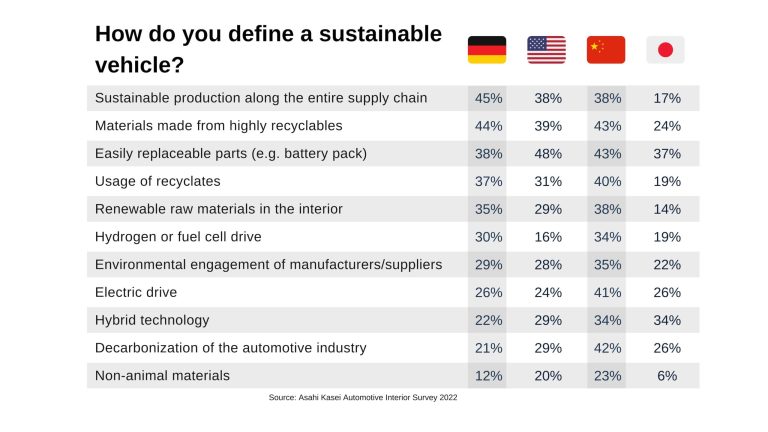
Even with the transformation to a zero-emission vehicle the mission of achieving “sustainable mobility” is far from complete. The survey results show a “sustainable vehicle” is no longer just defined by the drivetrain technology, but also by the CO2 footprint in production, easily recyclable materials, or even the decarbonization of vehicle manufacturers and their suppliers. In short, sustainability and transparency along the entire value chain are also playing an increasingly prominent role from the customer’s perspective.

Heiko Rother, General Manager Business Development Automotive at Asahi Kasei Europe comments: “The topic of sustainability is becoming increasingly complex and poses enormous challenges for the automotive industry. With our expertise in green hydrogen, CO2- and bio-based materials as well as the use of recyclates and recycling technologies, we want to achieve the goal of sustainable mobility together with our partners.”

Big regional differences in acceptance for fully autonomous vehicles

In the new survey, Asahi Kasei placed a special focus on the topic of autonomous driving. The results show that in Germany and the U.S. more than one in two respondents currently rejects the use of fully autonomous cars. In Asia, on the other hand, survey participants are much more open to the new technology: In China, only 10% of all respondents are against its use, in Japan 22%. In both countries, one in two respondents can even imagine buying a fully autonomous vehicle. Chinese manufacturers have caught up rapidly in electromobility in recent years. The customers’ affinity for new technologies favors rapid market penetration of innovations and might contribute to China taking a leading role in the field of “autonomous driving” as well.

There are also major differences among the markets with regard to the usage scenarios of fully autonomous vehicles. Displaying tourist information and reading/relaxing are highly popular among respondents in all regions, regardless of the type of vehicle ownership. About one in two car users in China would watch movies and series, in Japan only one in four. In a shared autonomous vehicle, one in two respondents in Japan would spend time sleeping, while only one in seven would work in the car. These different usage scenarios also give rise to new needs in terms of interior design.

As is already the case with conventional vehicles, easy-to-clean textiles and surfaces as well as easily adjustable seats are very important to respondents in all regions and regardless of the type of ownership of fully autonomous cars. Individualized interior lighting and a function for darkening the windows help with reading and relaxing. Fully rotating seats, on the other hand, play only a minor role, particularly in Germany, the USA and Japan.

Even in fully autonomous vehicles, a large proportion of vehicle users in Germany, the USA and China prefer to have a steering wheel and brake pedal for optional manual control – in Japan, one in two would. In Germany and the USA in particular, this option can help increase acceptance of autonomous vehicles.

Rother concludes: “Individual mobility and the car will continue to play a key role in people’s lives worldwide. Preferences in terms of usage scenarios and equipment indicate what the interior of increasingly autonomous vehicles may look like. This makes it more crucial than ever to focus on the customer, their wishes and the driving experience when developing new materials and technologies.”

For more information, visit www.asahi-kasei.com


#modernplasticsindia #plasticmagazine #indianmagazine #indianplasticmagazine #modernplasticsaward #ginujoseph #modernplastic #plasticindia #plasticnews #plasticrecycling #modernplasticsglobalnetwork #modernglobalnetwok #modernplasticsaward2023 #PlasticIndustry #asahikasei


Werkzeugbau Winkelmühle Invests in Seminal Technology

Werkzeugbau Winkelmühle Invests in Seminal Technology

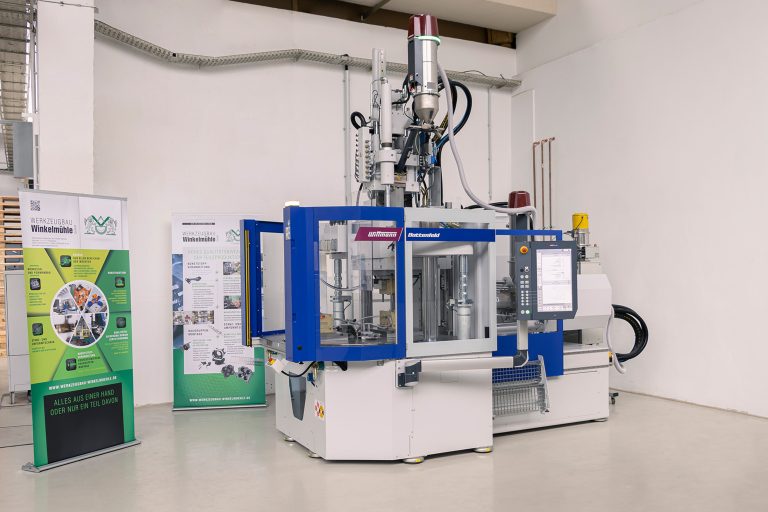
Werkzeugbau Winkelmühle, domiciled in Klingenberg / Saxony, Germany plans to position itself more broadly on the market and has therefore acquired 2-component technology from WITTMANN BATTENFELD to extend its service portfolio.

Werkzeugbau Winkelmühle, which emerged in1992 from its predecessor company “Elektronische Bauelemente Dorfhain”, is a family-owned and owner-managed enterprise in the second generation. The company’s founders, Karl-Heinz Berthold and Hartmut Baumgart, are still supporting its present Managing Director Tom Berthold in an advisory capacity. With a workforce of more than 70 employees, Werkzeugbau Winkelmühle manufactures at its location in Klingenberg high-precision punching and injection molding tools, as well as parts in the area of punching and plastics technology for use in electronic systems. The latter are mostly metal-plastic combinations and micro parts. The products are used primarily in interiors and engine compartments of motor vehicles. But components are also being produced for the watchmaking, solar and furniture industries, as well as for the energy sector and optical transmission systems. The majority of the company’s customers are based in the Saxony region.

Dirk Koch (Sales WITTMANN BATTENFELD); Werkzeugbau Winkelmühle GmbH: Hartmut Baumgart (Company Founder and Senior Advisor), Eric Mende (Production Manager), Tom Berthold (Managing Director), Annett Berthold (Head of Quality Management Department), Karl-Heinz Berthold (Company Founder and Senior Advisor), Karina Baumgart-Läderach (Marketing Manager)


Werkzeugbau Winkelmühle scores among its customers above all with the high-quality standard of its products, its flexibility and reliability as well as the know-how from its many years of experience. The majority of its injection molded products are highly complex, sophisticated parts, which are required to meet high standards of precision and load capacity. Especially in the automotive sector, the components are often exposed to extreme environmental conditions.

In its injection molding department, Werkzeugbau Winkelmühle is currently operating 24 machines, more than half of which have come from WITTMANN BATTENFELD, including two micro injection molding machines and four vertical machines.

Eric Mende (Production Manager Werkzeugbau Winkelmühle), Dirk Koch (Sales WITTMANN BATTENFELD), Tom Berthold (Managing Director Werkzeugbau Winkelmühle)


The most recently acquired machine is a vertical model in a multi-component version from the new VPower series. This machine, a VPower 120/130H/210V, is the first 2-component VPower installed in Saxony. This VPower sets itself apart from previous models mainly by its innovative 2-tie-bar rotary table design which, by dispensing with the central tie-bar, provides optimal accessibility. Thanks to the center of rotation being designed without a tie-bar, there is sufficient space available below the rotary table for cooling water supply, hydraulics, compressed air and electrical equipment. The generously dimensioned rotary tables are combined with a 2-tie-bar portal clamping unit equipped with two external traveling cylinders for fast opening and closing. The rotary tables come with servo-electric drives for short rotation times and high-precision positioning. The “Uniforce” compensation plate system between the crossbars of the clamping unit and the mold platen area ensures even, gentle force transmission to the mold. Due to its open design, this machine is particularly well suited for the integration of automation systems with insert feeding and finished parts removal.

Variety of injection-molded parts from Werkzeugbau Winkelmühle.


Since this company makes primarily smaller series and consequently a great diversity of products on the one machine, Eric Mende, Production Manager at Winkelmühle, seeks first and foremost a high level of flexibility in the system whenever purchasing new machines. Moreover, every machine must be easy to operate, with short cycle times and, above all, ensure a high level of repeatability. In view of the increased energy costs and the company’s environmental standards, the energy efficiency of injection molding machines is another very important issue for Werkzeugbau Winkelmühle. Possibilities for integrating auxiliaries are also becoming more and more significant. Eric Mende comments: “The machines from WITTMANN BATTENFELD fulfil the criteria we require in every respect. What is more, they come with a compact design and are extremely energy-efficient.”

2-component assembly with inserts.


www.wittmann-group.com


#modernplasticsindia #plasticmagazine #indianmagazine #indianplasticmagazine #modernplasticsaward #ginujoseph #modernplastic #plasticindia #plasticnews #plasticrecycling #modernplasticsglobalnetwork #modernglobalnetwok #modernplasticsaward2023 #PlasticIndustry #wittmanngroup

Blovelight Selects SABIC’s ULTEM Resin for Its Integrated, Single-Mode Wdm Modules, Helping to Expand Data Center Capacity

Blovelight Selects SABIC’s ULTEM Resin for Its Integrated, Single-Mode Wdm Modules, Helping to Expand Data Center Capacity

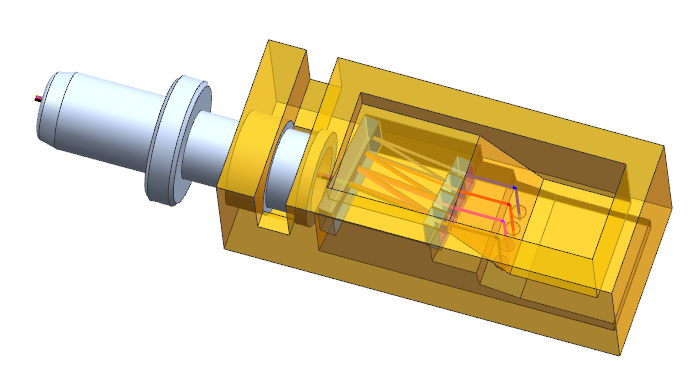
SABIC, a global leader in the chemical industry, collaborated with China’s Blovelight, Ltd., to develop one of the first integrated, single-mode fiber optic lens arrays that are well-suited for a wavelength-division multiplexing (WDM) module. A WDM module enables simultaneous transmission of multiple wavelengths of light over a single fiber, achieving a significant increase in bandwidth capacity. This innovative design uses SABIC’s ULTEM resin, a near-infrared (IR)-transparent, high-heat polyetherimide (PEI) material, to mold an integrated connector (previously metal) and receiving lens array (previously glass) and provide a housing for the WDM component. By enabling part integration and avoiding secondary operations, the SABIC resin helps to make single-mode WDM communications more affordable. Blovelight’s module not only reduces costs vs. individual parts made with glass or metal, but also streamlines manufacturing and assembly.

Blovelight’s optical lens array for the WDM module complies with the Telcordia GR-468 qualification for optoelectronic devices. This simplified, cost-effective component can potentially contribute to broader adoption of single-mode WDM fiber optics, an emerging technology that allows more energy-efficient data transmission over longer distances than multi-mode systems.

“I would like to thank SABIC’s ULTEM resin team for their excellent support in the development of our integrated WDM module,” said David Guo, Blovelight director. “The high-performance ULTEM resin enabled us to create this advanced solution for the optic communications market. We look forward to our next collaboration with SABIC.”

Collaboration with Blovelight
Building on a decade of success with ULTEM resin in multi-mode fiber optic lenses, Blovelight envisioned an integrated, thermoplastic WDM module for single-mode fiber optics. To help the company realize its new goal, SABIC worked closely with Blovelight throughout the application development process.

“The successful Blovelight application is a good example of customer collaboration that extends far beyond supplying materials,” said Scott Fisher, business director, ULTEM Resins and Additives, SABIC. “Blovelight developed a concept and design for solving a tough data capacity and energy problem in an affordable way. We were able to help them achieve their goals by providing not only a novel material solution but also expertise in design, application development and processing through our Opto-electronic Center of Excellence. The center underscores our strong focus on advancing the state of the art in photonics, particularly the adoption of advanced, energy-reducing technologies that facilitate fast, reliable, high-capacity communications.”

Clear Benefits for Advanced Optics
Wavelength-division multiplexing is a key enabling technology for fiber optics. It increases bandwidth by allowing different data streams to be sent simultaneously over a single optical fiber network. Furthermore, WDM technology can be a more energy-efficient option for data communication compared to traditional technologies, especially over long distances. ULTEM resin can contribute to WDM optimization by facilitating design integration, streamlining production and replacing traditional materials that typically have higher system costs.

This SABIC material is an excellent candidate material for single-mode optical transceiver lenses. Compared to aspherical glass lenses, it provides greater design freedom and high-volume, high-speed production without the need for secondary grinding and polishing. From a performance standpoint, ULTEM resin delivers high near-IR transmission (>88% at 850-1550nm), a high refractive Index and excellent dimensional stability over a wide temperature range (-40℃ to 85℃) to help ensure consistent alignment with single-mode fibers. ULTEM resin also met the demands of the assembly process for Blovelight’s WDM application by providing high mechanical strength, dimensional stability, and the ability to build miniaturized, multichannel parts.

SABIC collaborated with China’s Blovelight, Ltd., to develop one of the first integrated, single-mode fiber optic lens arrays that are well-suited for a wavelength-division multiplexing (WDM) module, using SABIC’s ULTEM resin, a near-infrared (IR)-transparent, high-heat polyetherimide (PEI) material. A WDM module enables simultaneous transmission of multiple wavelengths of light over a single fiber, achieving a significant increase in bandwidth capacity. Furthermore, by enabling part integration and avoiding secondary operations, the SABIC resin helps to make single-mode WDM communications more affordable.


www.sabic.com


#modernplasticsindia #plasticmagazine #indianmagazine #indianplasticmagazine #modernplasticsaward #ginujoseph #modernplastic #plasticindia #plasticnews #plasticrecycling #modernplasticsglobalnetwork #modernglobalnetwok #modernplasticsaward2023 #PlasticIndustry #sabic

Archroma Puts Sustainability in the Spotlight at Bangladesh Denim Expo 2023

Archroma Puts Sustainability in the Spotlight at Bangladesh Denim Expo 2023

Archroma, a global leader in specialty chemicals towards sustainable solutions, is set to showcase its range of eco-conscious denimwear solutions at the upcoming Bangladesh Denim Expo. Brands and textile mills visiting the international fair in Dhaka from May 16 to 17 will be able to explore the company’s full suite of denim solutions, including an innovative new black coloration system.

Demand for denimwear continues to grow globally, but traditional denim production is at odds with modern consumers’ expectations for sustainability. Brands that aim to compete in this growth market need to be able to produce denimwear that not only delivers sought-after functional capabilities and desirable aesthetics, but that also comes with low environmental impact.

“Sustainability is a top priority for many brands, and consumers are increasingly conscious of the environmental impact of their choices,” said Umberto De Vita, Denim Segment Director, Textile Effects Division, Archroma. “Archroma is challenging the status quo to help denim manufacturers upgrade to more environmentally sustainable solutions while enhancing their competitiveness at the same time. Our innovations make it possible to benefit from efficiency gains and resource savings in the factory as you deliver products that stand out in the market. Because it’s our nature.”

Sustainable denim solutions
Archroma is showcasing a comprehensive range of sustainable system solutions at the Expo. Among the highlights are DEEP SOUL, a system for overdyeing denim and woven fabrics with low water and energy consumption without compromising the look; PURE INDIGO ICON, an aniline-free* indigo system that produces authentic denim without harming the environment; and INDIGO REFLECTION, a coloration system that behaves like indigo but with a more sustainable and efficient process.

Innovation in black coloration
The company is also introducing its latest addition to the denim systems solution, EVOLUTION BLACK, a ground-breaking black coloration system that delivers authentic black denim effects with huge resource savings.

The 14th Bangladesh Denim Expo will take place from May 16 to 17, 2023 at the International Convention Center (ICCB) in Dhaka. You are invited to visit the team in person at Hall 4, Booth 57.


www.archroma.com


#modernplasticsindia #plasticmagazine #indianmagazine #indianplasticmagazine #modernplasticsaward #ginujoseph #modernplastic #plasticindia #plasticnews #plasticrecycling #modernplasticsglobalnetwork #modernglobalnetwok #modernplasticsaward2023 #PlasticIndustry #archroma

SONGWON Industrial Group Releases Q1/2023 Financial Results

SONGWON Industrial Group Releases Q1/2023 Financial Results

  • Sales in Q1 totaled 267,167 Million KRW
  • Gross profit margin was 15.4%, -11%-points lower than Q1/2022 (26.4%)
  • Net profit declined to 10,626 Million KRW over Q1/2022 (43,427 Million KRW)

Ulsan, South Korea – May 12, 2023 – SONGWON Industrial Group (www.songwon.com) today released its audited financial results for the 1st quarter of 2023. The Group reported a decline in revenue of -21.1% in Q1/2023 (267,167 Million KRW) compared to sales generated in Q1/2022 (338,433 Million KRW). SONGWON’s gross profit margin in the first 3 months of 2023 was 15.4%, a decrease of -11%-points when compared to the same period of the previous year (26.4%). Net profit in Q1/2023 was 10,626 Million KRW, lower than in Q1/2022 (43,427 Million KRW).

Q1
In Million KRW 2023 2022*
(restated)
∆%
Sales 267,167 338,433 -21.1%
Gross profit* 41,076 89,236 -54.0%
Gross profit margin* 15.4% 26.4%  
Operating profit 18,489 57,195 -67.7%
EBITDA 27,124 65,780 -58.8%
EBITDA margin 10.2% 19.4%  
EBIT 18,742 57,530 -67.4%
EBIT margin 7.0% 17.0%    
Profit for the period 10,626 43,427 -75.5%  

* Restated with IFRS15 adjustment.

After delivering good financial results for FY 2022, SONGWON started 2023 slowly recording lower earnings due to the anticipated further decline in demand. Throughout Q1/2023, both Division Industrial Chemicals and Division Performance Chemicals continued to be affected by the ongoing geopolitical tensions, deteriorating economic conditions and inflationary pressures compounded by customers’ destocking activities. Division Industrial Chemicals reported sales of 195,947 Million KRW in the first 3 months of the year, marking a decrease of -21.3% compared to Q1/2022 (248,865 Million KRW). Similarly, Division Performance Chemicals saw a -20.5% drop in revenues compared to Q1/2022 (89,568 Million KRW) and recorded consolidated sales of 71,220 Million KRW.

Consistent with expectations, the 1st quarter of 2023 was challenging for SONGWON’s Polymer Stabilizers business. Negatively impacted by the Russia-Ukraine conflict and strong price competition from Asia, revenues declined significantly driven by weak demand. Fuel and Lubricants performed well in Q1/2023 and saw revenues increase due to its effectively implemented pricing formula mechanism. The business also profited from the lower raw material and shipping costs. For SONGWON’s Coatings business, 1st quarter revenues were negatively impacted by weak demand and price erosion due to the increasing levels of supply availability in the marketplace.

Compared to 2022, Tin Intermediates saw lower volumes in Q1/2023 and strong fluctuations in profitability caused by the continuing volatility in the price of tin. However, with the market in China gradually improving, revenues are expected to grow in the next quarter. Still affected by the stagnation in the construction industry in Korea and the subsequent weak demand as well as the Lunar New Year holidays, Q1/2023 was a challenging quarter for PVC. For Solution Polyurethanes and Thermoplastic Polyurethanes, stable pricing and lower raw material costs resulted in volumes slightly above Q4/2022. Profitability also improved during in the 1st quarter compared to Q4/2022.

With the current highly volatile and complex macroeconomic environment expected to persist, 2023 is set to be a challenging year. In view of this, SONGWON refrains from making any predictions related to market development but will be monitoring developments closely going forward. The Group intends to continue executing its ongoing strategy and implementing appropriate measures to ensure its operations and businesses can adapt to the evolving market realities. Looking ahead, SONGWON is confident that it can navigate the current challenges and is well-positioned to continue successfully meeting customers’ needs and ensuring long-term sustainable growth.

For further information, please go to: www.songwon.com


#modernplasticsindia #plasticmagazine #indianmagazine #indianplasticmagazine #modernplasticsaward #ginujoseph #modernplastic #plasticindia #plasticnews #plasticrecycling #modernplasticsglobalnetwork #modernglobalnetwok #modernplasticsaward2023 #PlasticIndustry #songwon

Solvay Opens New Application Development Laboratory in China

Solvay Opens New Application Development Laboratory in China

State-of-the-art facility responds to growing customer demand for tailored solutions with high-performance materials in China

Solvay, a global market leader in specialty materials, has officially opened another application development lab (ADL) in Shanghai to expand the global footprint of its research and innovation capabilities. The opening ceremony of the new lab on May 12th was attended by Solvay’s Chief Technology Officer Nicolas Cudré-Mauroux and Andrew Lau, Senior Executive Vice President of the company’s Materials global business unit, and Francesco Triulzi, Head of Application Development Labs, Solvay Materials.

“There is an enormously growing demand for new application development in various Chinese key industries, such as automotive, life sciences and electronics,” states Andrew Lau, and adds: “Our new ADL addresses this trend with a significant investment aimed at responding to local market needs faster and with greater proximity to customers than ever, providing tailored high-performance material solutions.”

With a team of some 30 highly qualified and experienced scientists, engineers and technicians, the Shanghai ADL will be fully equipped to advance custom-tailored application developments using state-of-the-art Solvay technologies. An Innovation Workshop will coordinate the resources to accelerate the implementation of local solutions through world class simulation, prototyping and performance evaluation services, complemented by various dedicated process equipment, such as for 3D printing, extrusion and noise-vibration-harshness (NHV) improvements.

“The new ADL will follow a triple strategy focusing on local-for-local, global-for-local and local-for-global innovation,” explains Nicolas Cudré-Mauroux. “Unique facilities to support these efforts include a semiconductors clean room environment enabling high-purity and high-temperature testing, separation capabilities for hemodialysis and water filtration applications, and a functional and industrial coatings facility.”

Major local and global end markets expected to benefit from Solvay’s Shanghai based Application Development Lab will be automotive, new energy, life solutions and pharmacy, smart devices and semiconductors.

Learn more at www.solvay.com


#modernplasticsindia #plasticmagazine #indianmagazine #indianplasticmagazine #modernplasticsaward #ginujoseph #modernplastic #plasticindia #plasticnews #plasticrecycling #modernplasticsglobalnetwork #modernglobalnetwok #modernplasticsaward2023 #PlasticIndustry

Clariant Will Showcase the Science of Sustainable Beauty in CITE Show in Japan

Clariant Will Showcase the Science of Sustainable Beauty in CITE Show in Japan

  • New readily biodegradable rheology modifier combining peformance of synthetic polymers and sustainability of biopolymers for highly appealing end-consumer products
  • Effective preservative system meeting clean beauty demands without compromising on effective preservation and formulation flexibility
  • New active ingredient and natural range offering skin wellbeing encompassing unique aspects of nature and natural beauty

As a global leading specialty chemical company with a sound reputation in the beauty care and personal care industry, Clariant will highlight at the upcoming 11st Cosmetic Ingredients & Technology Exhibition (CITE) in Japan how it leverages science and technology to bring out the best of sustainable beauty. The exhibition will be held on 17-19 May 2023 at the Pacifico Yokohama.

As the beauty care and personal care market continues to pick up at the aftermath of the pandemic, consumers are eagerly on the lookout for products with the added edge of offering extra protection while also bringing about a stronger health profile. Ingredients and formulation technologies that have addressed such demand and taken the sustainability and natural elements into the equation are therefore getting a much stronger focus at the moment.

“We’re really glad to be able to meet up with our customers face-to-face again at the upcoming CITE exhibition in Japan. Clariant will present our new line-up of exciting ingredients and formulation technologies that we believe will be able to answer many of the calls in the beauty and cosmetics market today. In addition to the usual great performance expected of Clariant’s products, many of these solutions we’re showcasing at CITE have also incorporated the sustainability and environmental friendliness elements, making it easier for brand owners to deliver what the consumers ultimately want today,” says Vipul Bhatt, Head of Personal and Home Care, Clariant Care Chemicals APAC.

The new rheology modifier Aristoflex Eco T is such a product that caters for both performance and a desirable environmental profile. Unveiled only this February, Aristoflex Eco T is a next-generation patented technology that combines performance of synthetic polymers with the environmental profile of biopolymers.

If meeting safety and regulatory requirements is a priority, then the Nipaguard™ OS is an effective alternative solution without compromising on preservation power. Riding on new preservation technologies that address the growing consumer market trend of making the “free from” claim, Nipaguard OS offers all the formulation flexibilities and preservation requirements through its water solubility and pH stability.

Another product going to be highlighted at CITE 2023 is the newly-launched Rootness Mood+ advanced skincare active ingredient that mimics the recognized benefits of natural light to reactivate the skin’s natural radiance by triggering photoreceptors on it. Extracted eco-responsibly from the roots of the plant Sanguisorba officinalis that has been used in traditional Chinese medicine, Rootness Mood+ balances the adverse effects of reduced sun exposure to cosmetically reproduce light’s benefits on the skin to improve mood while also boosting Vitamin D through distribution and receptor activation. Rootness Mood+ is produced by Patented Plant Milking Technology which explores generally inaccessible plant parts – the roots – without killing the tree and allows for the production of rare compounds at an industrial scale.

For the fast-expanding segment of all-natural cosmetics and healthcare products, Clariant’s Plantasens and Beraca range would certainly receive a lot of attention during CITE. The fully natural range of natural oils, butters and clays provide the unique yet differentiated sensorial experience often necessary in cosmetic formulations in order for them to stand out in the competitive marketplace.

Besides showcasing the highlighted products at the booth at A3-08 during CITE, Clariant will also present in the technical seminar sessions on the topics of “Eco-friendly Solution to Dark Circles & Eyebags in 7 days developed using patented Plant Milking Technology” and “Light-mimicking Skin Tone Equalizer and Wellness Active developed using patented Plant Milking Technology” that are going to be held at 14:00-14:30 on 17 May 2023 and 12:30-13:00 on 19 May 2023 respectively. Please check out the latest schedule from the event page or contact the Clariant team for more details.

www.clariant.com


#modernplasticsindia #plasticmagazine #indianmagazine #indianplasticmagazine #modernplasticsaward #ginujoseph #modernplastic #plasticindia #plasticnews #plasticrecycling #modernplasticsglobalnetwork #modernglobalnetwok #modernplasticsaward2023 #PlasticIndustry #clariant

B.I.G. Yarns launches Sustainable Yarns at Clerkenwell Design Week

B.I.G. Yarns launches Sustainable Yarns at Clerkenwell Design Week

  • New SustainableYarns.com platform to support the design and manufacture of sustainable carpets
  • Announcing EqoYarn – a new low-impact solution added to the Eqo range
  • Meet B.I.G. Yarns in Clerkenwell at The Order of St. John expo Stand D11, 23-25 May 2023, London

Join the sustainable yarns movement! B.I.G. Yarns today unveils its new “SustainableYarns” platform, with Clerkenwell Design Week visitors the first to be invited to get on board and focus on what matters most for the design and manufacture of sustainable soft floorings.

The expert in polyamide (PA) 1 step 3 ply yarns offers a range of options for manufacturers to introduce sustainable yarns into carpet solutions and reach sustainability targets faster and more efficiently.

“Yarn is the core material for carpets, and integral in contributing towards more responsible commercial, residential or automotive carpets. With our SustainableYarns online platform, we’re sharing a guide to our different market-ready options for more sustainable solutions, reducing the CO2 emissions of carpet products and helping to mitigate Climate Change. All this without compromising the quality and the unlimited colour and design possibilities our customers value from our yarn products,” says B.I.G. Yarns Global Sales Director, Glenn Hyzak.

The Sustainable Yarns range creates opportunities to design with recycled content yarn (EqoCycle), to work with renewable resources (EqoBalance), and, following the launch of new polyamide 6 (PA6) EqoYarn at Clerkenwell Design Week, to also leverage the low-impact value chain.

New addition EqoYarn is a new low-impact PA6 carpet yarn based on the most recent innovations in polymer production, which enable yarn manufacturers to lower their carbon footprint by nearly 50% and give carpet manufacturers more options to reduce their impact.

For its EqoYarn Bulk Continuous Filament (BCF) production process, B.I.G. Yarns has selected the few best-in-class partners that have made major steps forward in terms of sustainability, and reduced their greenhouse gas emissions thanks to continuous investments in process efficiency, green energy, heat optimization and waste reduction. The result is EqoYarn with a carbon footprint of 4 kg CO2 eq/kg yarns, which is a CO2 reduction of up to 50% compared to conventional PA yarns.

EqoBalance PA6 yarns enable customers to reach an even higher CO2 reduction of up to 75%. Manufactured with polymers made from renewable resources such as organic waste from cooking oil instead of virgin or fossil feedstock, these yarns have a carbon footprint of 1.98 kg CO2 eq./ kg yarns. They help carpet manufacturers to create products with an extremely low carbon footprint.

EqoCycle PA6 yarns are fully recyclable and incorporate 75% recycled content originating from recycled and regenerated PA6 granules. With a carbon footprint of 4.64 kg CO2 eq./ kg yarns, they deliver the same high-quality performance of virgin PA6 yarn with the benefit of 37% CO2 reduction. EqoCycle yarns offer carpet manufacturers a sustainable alternative to help reduce the ecological footprint of their products and move towards a circular economy without jeopardizing the end-product quality.

“B.I.G. Yarns is focused on leading the way in offering sustainable solutions, and to achieve this our focus is on optimizing production chains rather than using offsetting,” comments Emmanuel Colchen, General Manager, B.I.G Yarns. “We are reducing emissions from our own operations but because polymers, our raw materials, have the biggest impact on our CO2 emissions, it is crucial to engage supply partners to reduce emissions too by using bio-based materials. As a group, Beaulieu International Group wants to set the standard and reach a CO2 emission that is as low as possible, by offering the right product, based on sustainable parameters. This is part of the efforts to reach our Net Zero target by 2030.”

In addition to the different CO2-reducing options, B.I.G. Yarns’ customers can access an unlimited colour range to elevate their designs. Its BCF technology for polyamide yarns, twisted and heat-set yarns, one-colour to multi-colour, between 650 and 15000 dTex, along with its colour studio, are available to support their creation of unique and customised collections.

Discover SustainableYarns.com and meet with the B.I.G. Yarns team during the CDW festival in the Church of St John Detail exhibition space, Stand D11.

www.beaulieuyarns.com


#modernplasticsindia #plasticmagazine #indianmagazine #indianplasticmagazine #modernplasticsaward #ginujoseph #modernplastic #plasticindia #plasticnews #plasticrecycling #modernplasticsglobalnetwork #modernglobalnetwok #modernplasticsaward2023 #PlasticIndustry #beaulieuyarns

A Lot in the Pipeline

A Lot in the Pipeline

Politicians and the economy are longing for increased hydrogen use and have long since embarked on a search for solutions. Not only must the production and storage of H2 be ensured, but also its transport must be regulated so that the hydrogen reaches the point of use from the place of production. However, there is a high investment requirement for hydrogen storage and transport routes. The pipe industry, which already offers suitable technologies and materials, is in demand. So there’s a lot in the pipeline…

Europe plans to be carbon neutral by 2050. Hydrogen will be co-decisive in achieving climate neutrality – in several respects. As a storage medium, it can be used to compensate for the fluctuations between energy production and consumption that occur when renewable energies are used. In addition, the use of green hydrogen makes the industry – such as in steel production – CO₂-neutral. An infrastructure consisting of pipelines and plant technology is necessary.

Safe hydrogen transport will play a central role in a renewable energy mix – and the pipe industry is already H2-ready. Mannesmann supplies steel pipes that are designed for transport and storage. For H2 forwarding – for example in pipelines – the inner surface is manufactured free of surface deposits. Internal attack points for hydrogen are kept to a minimum by falling below the phosphorus and sulphur content – compared to the EIGA Directive. “A further lowered carbon equivalent ensures excellent weldability of our pipe material,” Mannesmann stresses. This ensures long service life.

Pipe industry ready for the H2 market

Together with partners from the steel distribution sector, Benteler Steel/Tube supplies the Benteler Hyresist product family, which includes seamless, hot-rolled pipes and meets the requirements of the European Industrial Gases Association (EIGA) for pipes for distribution networks. The criteria are: hydrogen-compliant steel analysis, pressure resistance and homogeneous structure. With an outer diameter of 21.3 to 141.3 mm, the dimension range of the Benteler pipe solution corresponds to the current specifications for hydrogen pipes. “In addition, optimised mechanical values and the high purity of the steel materials used, prevent hydrogen embrittlement,” the company explains.

Butting is also ready for the H2 pipe market. According to the company, vacuum-insulated transfer lines could save time and resources compared to conventionally foam-insulated pipes. The cost-efficient transfer of liquid natural gas and liquid hydrogen LH2 (LNG) requires pipeline systems in much larger dimensions than other cryogenic liquids. Thus, smaller pipe diameters can be selected, whereby the material expenditure is reduced. In addition to standard lines, the company’s expertise includes transfer systems for trailers (helium and hydrogen), hydrogen systems for the automotive industry and refuelling systems for the aerospace industry (hydrogen and oxygen).

Major Hydrogen Projects

It is important to act with foresight. Thus, in Wolfsburg, two state-of-the-art gas-fired power plants will secure the energy supply of the VW plant and the city of Wolfsburg. “Mannesmann H2ready pipes from Mannesmann Line Pipe have already been used in the construction of the supply line so that they can also be operated with hydrogen in the future,” explains Mannesmann. The nearly 1,900 tubes have individual lengths of up to 18 metres in L360NE quality and, in the main, a diameter of 406.4 mm. The route runs parallel to an already existing line and has been laid over a length of nine kilometres without a trench and thus particularly gently. For this purpose, the pipes were additionally wrapped with GRP (glass-reinforced plastic).

For the connection of the LNG gas terminal from Brunsbüttel to Hetlingen, Mannesmann Grossrohr GmbH (MGR), a subsidiary of Salzgitter AG, supplies pipes with a diameter of DN 800 for a total length of about 54 kilometres on behalf of Gasunie Deutschland. The approximately 3,200 pipes are specified “so that hydrogen can also be transported through the line in the future,” explains MGR. It is scheduled to come into operation by the end of 2023.

A currently eye-catching construction project is the connection of the LNG terminal Wilhelmshaven with H2-ready steel pipes from Mannesmann Line Pipe on behalf of the energy grid operator Ewe Netz. With around 16,000 tons of H2-ready pipes, Mannesmann is contributing to the expansion of the LNG infrastructure in Northwest Germany. In total, the company supplies about 4,100 pipes in the dimension range DN 600 in lengths of 18 to 12 meters. The commissioning of the line is to take place at the end of 2023.

More Climate-Friendly Steel Production

For the production of pipes for hydrogen transport, H2-optimized steels are required for safe and durable pipeline transport systems, which Thyssenkrupp also supplies. In addition to the low-alloy steel grades X42 and X52, which are suitable for the transport of gaseous hydrogen and hydrogen mixtures, the Group has optimised material concepts for the strength range up to X70. “These steels are optimised with regard to the expected standard requirements of longitudinal and spiral seam tubes for hydrogen transport, in particular for the limited contents of carbon, phosphorus and sulphur,” explains Thyssenkrupp.

The production of steel – with the help of hydrogen – should also become more climate-friendly. Thyssenkrupp Steel is therefore investing in the decarbonisation of its steel production, which in turn improves the ecological balance of steel pipes. The Group therefore commissioned SMS with the engineering, supply and construction of a hydrogen-powered direct reduction plant, two smelters and associated ancillary units at the Duisburg site. It is one of the world’s largest industrial decarbonisation projects with an order volume of more than 1.8 billion euros for SMS alone, with commissioning scheduled for the end of 2026.

Building H2 Infrastructure

With SALCOS (Salzgitter Low CO2 Steelmaking), Salzgitter, together with partners from business and research, is striving to lay the foundations for steel production that is almost CO2-free. Central elements of the program are electricity from renewable sources and its use in the production of hydrogen by electrolysis. “This green hydrogen will replace the coal we are currently using in the conventional blast furnace process,” the Group explains. This is made possible by means of so-called direct reduction plants, in which iron ore is reduced to iron in the solid state directly by hydrogen. With this technology, instead of CO₂, water vapour is emitted.

There is a lot to do: For example, Germany is not sufficiently prepared for the ramp-up of the hydrogen economy. This is the result of the H2 balance sheet, an analysis by the energy group E.ON, which is based on data from the Institute of Energy Economics at the University of Cologne. “Looking ahead to 2030, it turns out that neither the domestic generation capacity of green hydrogen is sufficient nor can German import needs be met.“ There is also a lack of infrastructure – still. Now the pipe industry is also required here. It is ready for implementation.

www.tube-tradefair.com


#modernplasticsindia #plasticmagazine #indianmagazine #indianplasticmagazine #modernplasticsaward #ginujoseph #modernplastic #plasticindia #plasticnews #plasticrecycling #modernplasticsglobalnetwork #modernglobalnetwok #modernplasticsaward2023 #PlasticIndustry #tubetradefair