Thursday, October 8, 2026
spot_img
Home Blog Page 162

Bunting at Plastics Recycling World Expo 2023

Bunting at Plastics Recycling World Expo 2023

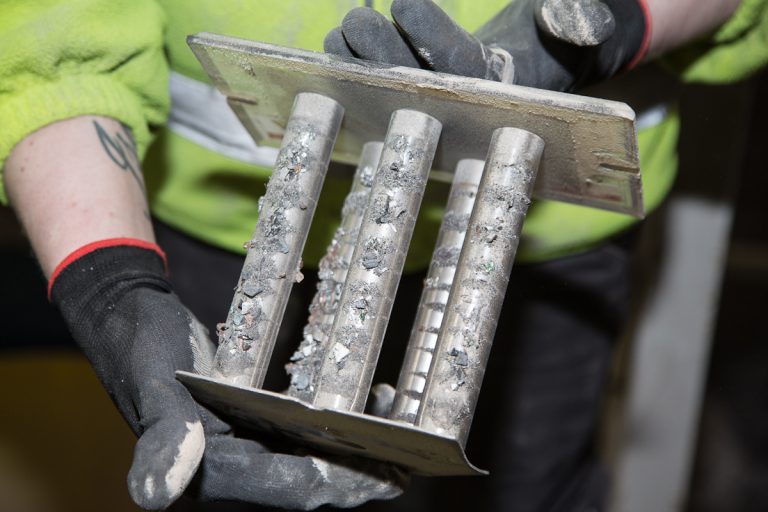
The effective separation of ferrous and non-ferrous metal is a key stage in the successful recycling of plastic and plastic containers. On stand B929 at the Plastics Recycling World Expo Europe (14-15 June, Messe Essen, Germany), Bunting is displaying and discussing proven metal separation technology including FF Drawer Filter Magnets and Eddy Current Separators.

Bunting is one of the world’s leading designers and manufacturers of magnetic separators, eddy current separators, metal detectors and electrostatic separators. The Bunting European manufacturing facilities are in Redditch, just outside Birmingham, and Berkhamsted, both in the United Kingdom.

The Plastics Recycling World Expo brings together professionals from across the plastics recycling industry for two days of networking, knowledge sharing, and innovation. The two-day program of technical presentations, seminars, and industry debates is supported by an exhibition showcasing technology developed by leading companies in the plastic recycling industry.

Secondary plastic, whether post-consumer or generated internally, commonly contains metal contamination. Such metal damages equipment such as granulators, extruders and injection moulding machines. Bunting has developed a wide range of equipment to detect and separate such metal and prevent costly wear and repairs.

Magnetic separators attract and separate ferrous metals, with a range of designs tosuit specific installations and applications. The FF Drawer Filter Magnet is an industry standard for the plastics sector, featuring ultra-strong Neodymium Tube Magnets, mounted in a grid formation, to attract and securely hold even the smallest and weakest magnetic particles. These are easily installed above injection moulding machines and prior to granulators.

Drum Magnets and the HISC or SSSC Separators, also featuring ultra-strong Neodymium magnets, continually and automatically remove ferrous metal from shredded or granulated plastic waste. Such separators commonly operate in conjunction with Eddy Current Separators, which separate large and small non-ferrous metals such as aluminium. The Bunting range of Eddy Current Separators includes designs focused on separating small, millimetre-sized non-ferrous metals.

Whilst magnetic separators separate the bulk of metal contamination, metal detectors focus on finding and removing lower levels of smaller metal contamination. The quickTRON range of gravity free-fall metal detectors detect and separate metal present in granulated plastic, often directly after the FF Drawer Filter Magnet as seen in Metal Cleaning Systems. Pipeline Style Metal Separators (pTRON) detect and then reject any kind of metal from an enclosed pipe system.

Recent projects include the installation of a Metal Separation Module (Drum Magnet and Eddy Current Separator) at HML Recycling (Accrington, UK) for a new line recycling perfume bottle tops. The shredded plastic tops are contaminated by ferrous and non-ferrous metal, which is separated on the module.

“The Plastics Recycling World Expo brings together all the leading plastics recyclers and equipment suppliers,” said Bradley Greenwood, Bunting’s European Sales Manager. “Discussing the metal contamination problems experienced by recyclers helps us understand the challenges and either propose or develop metal separation solutions.”

Drum Magnet and Eddy Current Separator Module at HML Recycling


www.bunting-redditch.com


#modernplasticsindia #plasticmagazine #indianmagazine #indianplasticmagazine #modernplasticsaward #ginujoseph #modernplastic #plasticindia #plasticnews #plasticrecycling #modernplasticsglobalnetwork #modernglobalnetwok #modernplasticsaward2023 #PlasticIndustry #buntingredditch

Micrometal Shows Power of Next Generation Photo-Chemical Etching Making an Opthalmic Blade

Micrometal Shows Power of Next Generation Photo-Chemical Etching Making an Opthalmic Blade

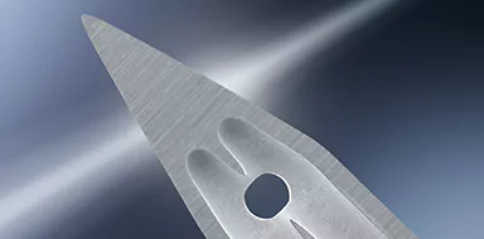
Leading photo-chemical etching (PCE) innovator, micrometal, is pleased to be able to demonstrate the power of its next generation precision metal processing technology following some recent work with a manufacturer of opthalmic devices incorporating surgical blades.

PCE offers several specific advantages when it comes to manufacturing intricate blades for eye surgery. Firstly, it allows for the creation of extremely precise and intricate blade designs with sharp edges and tight tolerances, ensuring the highest level of accuracy and consistency during surgery. This is particularly important for eye surgery, where even small variations in blade design can have a significant impact on patient outcomes.

Secondly, PCE can produce very thin blades, down to a few microns in thickness, which are required for many types of eye surgeries. These blades can be manufactured with no burrs or rough edges, ensuring smooth and precise cutting.

In addition, the PCE process is a chemical, non-contact process, which means that there is no physical force applied to the metal during manufacturing, reducing the risk of deformation or damage to the blade. This is particularly important when working with thin, delicate blades that require extreme precision.

Jochen Kern, Head of Sales and Marketing at micrometal says, “For manufacturers of intricate metal parts and components, choosing the right technology is crucial to ensure high-quality, accurate, and cost-effective production. micrometal’s next generation PCE process stands out as the go-to technology for several reasons, first and foremost because it offers unparalleled precision, enabling the creation of geometrically complex designs and shapes with tight tolerances that would be difficult or impossible to achieve with traditional
manufacturing techniques. Additionally, PCE is highly versatile, allowing for the production of a wide range of metal types and thicknesses, and is relatively fast and cost-effective, with low tooling costs and short lead times and parts produced with no stress of burrs.”

micrometal has taken what is already a precise technology in PCE and enhanced it. The company’s process advantages mean that very small feature sizes of 25 microns can be produced, it can achieve a minimum hole diameter 80% of the material thickness, and single digit micron tolerances are attainable repeatably. It was this that attracted the ophthalmic device manufacturer which was specifically looking to make a surgical device and system for extremely delicate eye surgery for the removal of cataracts and vision correction. The blade is used to pierce the lens tissue of the eye with minimal tissue damage to aid better healing, allowing either mechanical removal of tissue or correction of internal eye features.

Kern continues, “We worked hard to achieve the extremely exacting tolerances that the ophthalmic device manufacturer required. The customer stated that our etched blades were the sharpest they had ever seen. PCE produces a very smooth and sharp cutting edge compared to conventional mechanical grinding of similar blades. Under a microscope, mechanically sharpened edges show fracturing and rough edges due to process issues and ‘brittle’ material conditions from work-hardening. micrometal’s combination of liquid photoresist and high-resolution tooling produces an extremely sharp cutting edge that does not ‘tear’ tissue.”

micrometal’s next generation PCE process uses a unique and patented wet paint etching system, the coating being 2 – 8 microns thick as opposed to traditional dry PCE coating which are 10 – 50 microns thick. Liquid photo-resist is more suitable for high precision production scenarios and results in higher reproduction accuracy.

micrometal’s high-resolution glass photomask tools are printed at 100,000 dpi, providing superior reproduction and resolution than film photo-tooling used in conventional chemical etching processes. The use of photo-tooling created on glass means the company can cater for applications such as the ophthalmic blade discussed that require extreme precision which traditional PCE cannot achieve. Glass photo tooling can attain tolerances in the range of 1-2 microns (and hole tolerances of < 1 micron can be achieved), and negates issues with distortion due to environmental factors such as humidity that are a constant problem when using film tooling.

www.micrometal.de


#modernplasticsindia #plasticmagazine #indianmagazine #indianplasticmagazine #modernplasticsaward #ginujoseph #modernplastic #plasticindia #plasticnews #plasticrecycling #modernplasticsglobalnetwork #modernglobalnetwok #modernplasticsaward2023 #PlasticIndustry #micrometal

Esmito attains AIS156 Phase 2 Certification for L3 and L5 Category Batteries

Esmito attains AIS156 Phase 2 Certification for L3 and L5 Category Batteries

  • The AIS Phase 2 certification emphasizes Esmito’s compliance with Indian automotive industry regulations
  • The attainment of this prestigious certification opens doors to expansion and growth opportunities within the Indian EV market for Esmito
  • Esmito establishes itself as a reliable and capable partner, leading to new business prospects and potential joint ventures

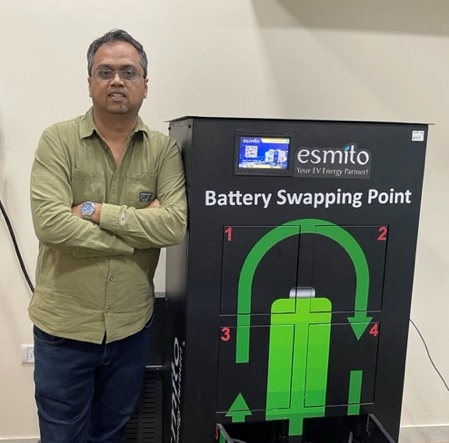
Esmito, a leading provider of energy solutions for electric vehicles (EVs), proudly announces the successful acquisition of the highly coveted AIS156 Phase 2 certification for their L3 and L5 category batteries. This achievement further solidifies Esmito’s unwavering commitment to delivering high-quality, reliable, and compliant energy solutions in the EV industry.

The AIS156 Phase 2 certification represents an exhaustive testing and evaluation process that ensures strict compliance with safety and performance standards, specifically focusing on automotive components, particularly batteries. This certification is a vital requirement for EV manufacturers operating within India. Esmito has successfully completed the meticulous certification process for their L3 and L5 category batteries, which serves as a testament to their dedication to maintaining the highest standards of quality and safety.

Commenting on this milestone, Hasan Ali, Co-founder, Esmito, says, “This certification is going to be a significant step in making us one of the larger organized players in EV Batteries ecosystem. Esmito has multiple models of EV Batteries across the 48 to 72V spectrum and such certifications help to bolster customer confidence at a time when the industry is just starting to grow exponentially.”

The acquisition of this certification holds paramount importance for Esmito and the entire industry. Firstly, the certification guarantees the utmost safety of Esmito’s batteries, instilling confidence in customers, EV users, and the public. Through rigorous testing procedures and unwavering adherence to safety standards, Esmito ensures that their batteries meet all necessary regulatory requirements.

Secondly, the AIS Phase 2 certification emphasizes Esmito’s compliance with Indian automotive industry regulations, solidifying their reputation as a responsible and law-abiding entity. By surpassing the stringent criteria set forth by regulatory bodies, Esmito demonstrates its commitment to upholding the highest quality and safety standards.

Furthermore, the certification enhances Esmito’s market credibility and differentiates them from its competitors. Customers seeking reliable and safe battery solutions for their EVs can place their trust in Esmito’s certified L3 and L5 category batteries. The certification strengthens customer satisfaction, fosters brand loyalty, and provides Esmito with a competitive advantage in the rapidly growing EV market.

The acquisition of the AIS Phase 2 certification propels Esmito into a promising future, opening doors to expansion and growth opportunities within the Indian EV market. As customers increasingly prioritize safety and regulatory compliance, Esmito’s certified batteries position the company as a trusted provider in the industry. By meeting the rigorous requirements of AIS Phase 2, Esmito establishes itself as a reliable and capable partner, paving the way for new business prospects and potential joint ventures.

Moreover, the certification aligns Esmito with the government’s emphasis on sustainable mobility solutions. The Indian auto sales for L3 and L5 category vehicles have witnessed remarkable growth in recent years. As the demand for electric vehicles (EVs) continues to surge, these categories have emerged as significant contributors to the overall sales figures. The availability of affordable and technologically advanced EV models in the L3 and L5 categories has played a crucial role in driving this growth. Government incentives and favourable policies supporting EV adoption have further fueled the sales momentum. Furthermore, improved charging infrastructure, extended driving ranges, and enhanced battery performance have successfully addressed concerns related to EVs’ practicality and range anxiety.

Esmito’s successful acquisition of the AIS Phase 2 certification for their L3 and L5 category batteries exemplifies their dedication to safety, compliance, and superior battery solutions. By meeting the stringent standards set by regulatory authorities, Esmito assures customers of their commitment to delivering products of exceptional quality and reliability. This certification grants Esmito a competitive edge, enhances their market credibility, and positions them for an exponential growth in the thriving Indian EV market. With this achievement, Esmito is poised to make a significant impact on the future of sustainable transportation, actively supporting India’s transition to a greener and more sustainable future.

www.esmito.com


#modernplasticsindia #plasticmagazine #indianmagazine #indianplasticmagazine #modernplasticsaward #ginujoseph #modernplastic #plasticindia #plasticnews #plasticrecycling #modernplasticsglobalnetwork #modernglobalnetwok #modernplasticsaward2023 #PlasticIndustry #esmito

Acquisition of 3DPRINTUK by Solid Solutions Expands Service Offering for Clients

Acquisition of 3DPRINTUK by Solid Solutions Expands Service Offering for Clients

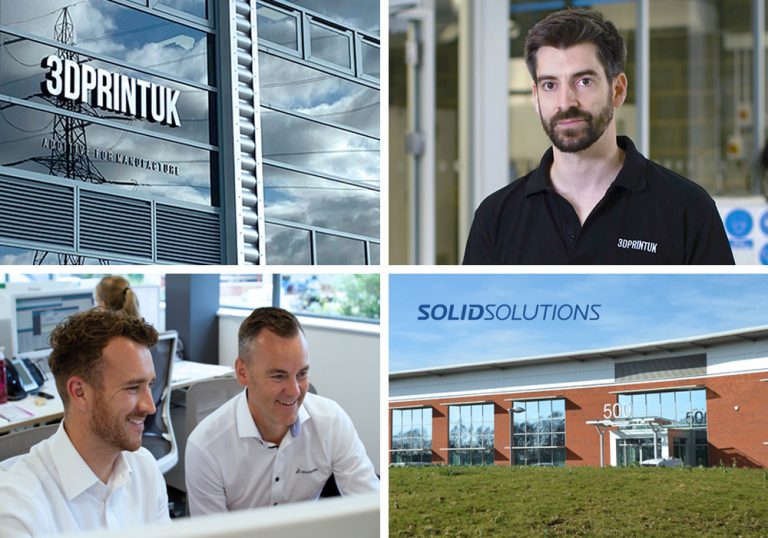
It was announced today that leading 3D printing service supplier, 3DPRINTUK, has been acquired by Solid Solutions and will become part of the TriMech Group. The acquisition significantly augments 3DPRINTUK’s service offering and allows it to benefit from the resources of a bigger company as it continues to serve its UK customer base.

Nick Allen, CEO at 3DPRINTUK says, “We’re thrilled about the acquisition. For over a decade, the team at 3DPRINTUK has been committed to providing exceptional service to our customers. Throughout the years, we’ve grown organically, expanded our range of services, remained cost-competitive, and set a high standard for the quality of our 3D printed parts. Those who have followed us closely can attest to our consistent investment in technology and personnel, always with the goal of optimising customer outcomes. Joining forces with Solid Solutions is the natural next step, as it will accelerate our growth potential, broaden and enhance our services for our customers, and enable them to benefit from the expertise and resources of a larger group of companies.”

3DPRINTUK, founded in 2011, is a specialist in low-volume production using SLS (selective laser sintering) and MJF (multi-jet fusion) additive manufacturing (AM) systems, along with a range of post-processing capabilities. The company bridges the gap between prototype and injection moulding for clients spanning a range of sectors, from consumer products to marine and aerospace.

Solid Solutions is a UK-based technology and business solution partner for design engineers and manufacturers which was acquired by TriMech in 2022. The acquisition of 3DPRINTUK demonstrates that Solid Solutions continues to focus on building a comprehensive set of services to help support customers from design to production, its overall strategy since the TriMech acquisition being to expand and diversify service offerings.

Alan Sampson, TriMech’s Group CEO says, “Clients are seeking more depth of expertise and a single technology partner who can advise and guide them, while providing products and services that influence all aspects of their business. Professional, reliable services fill clients’ gaps quickly and keep their work on track. Adding 3DPRINTUK alongside other sympathetic acquisitions enhances our ability to always bring the right mix of tools to the job.”

Earlier in 2023, Solid Solutions acquired recruitment specialists Solid People and Solid Print 3D, a reseller of workbench manufacturing solutions. At the same time as 3DPRINTUK also acquired GRM Consulting, which provides design optimisation services. All acquisitions enhance Solid Solutions position as a best-in-class partner to the advanced design, engineering, and manufacturing sectors across the globe.

Allen continues, “One of the most important outcomes of the Solid Solution acquisition is that 3DPRINTUK will maintain business as usual with our current management and staff. We now have the resources to significantly enhance and expand our services. The move aligns with our goal to provide optimal service and remain the go-to resource for our customers for 3D printing endeavours. We all feel very comfortable that working with Solid Solutions helps us to achieve our goals for our customers efficiently and timely.”

3DPRINTUK will serve as the dedicated 3D printing service team for the TriMech Group in the UK. The company will also be able to collaborate moving forward with TriMech’s advanced manufacturing services experts in North America, and to work internationally to deploy best practices and emerging technologies for its customers.

www.3dprint-uk.com


#modernplasticsindia #plasticmagazine #indianmagazine #indianplasticmagazine #modernplasticsaward #ginujoseph #modernplastic #plasticindia #plasticnews #plasticrecycling #modernplasticsglobalnetwork #modernglobalnetwok #modernplasticsaward2023 #PlasticIndustry #3dprintuk

The Challenges of Boomerang Projects in Micro Molding: A Customer Perspective

The Challenges of Boomerang Projects in Micro Molding: A Customer Perspective

INTRODUCTION 

In the world of micro molding, where precision and efficiency are paramount, the concept of boomerang projects can present significant challenges for both customers and micro molders.

Traditionally, boomerang projects in this context refer to situations where a customer’s project returns to the micro molding company for rework or modifications. These projects “boomerang” back to the manufacturer due to various reasons, such as design changes, quality issues, or unforeseen challenges during the manufacturing process. Instead of progressing smoothly from concept to completion, these projects require additional attention and adjustments before they can be finalized.

However, in our experience at Accumold, it is projects undertaken by alternative micro molders that end up boomeranging back to us, as customers seek an expert organization that can dig their project out of a hole, a hole that their originally selected micro molder does not have the wherewithal to extricate themselves from.

This can be extremely costly for the micro molding customer, but I am happy to give you a road map which will detail your route to market avoiding elephant traps along the way.

LIKE A BOOMERANG, ITS GONNA COME BACK

First of all, let’s look in more detail at why a project may “boomerang.”

Well, most obviously as already mentioned, there may need to be design changes. Customers may realize the need for design modifications after the initial manufacturing process has begun. These changes could be out of their or the micro molder’s ability to foresee (for example as a result of new requirements or regulations), but more often than not they are because the customer requires improved functionality, or design flaws are discovered during the production stages. Or simply it may be that designs are just impossible to mold successfully.

As a result, the project boomerangs for adjustments to the mold, tooling, or other manufacturing aspects.

In some cases, boomerang projects are caused by quality issues that are identified during quality control checks or customer inspections. If the product does not meet the specified quality standards, it may be necessary to rework it or to address the underlying manufacturing issues.

Boomerang projects can also arise due to material-related challenges or unexpected complications during the production process. Issues such as material shrinkage, warping, or difficulty in achieving the desired tolerances may require the project to be returned for adjustments or alternative manufacturing techniques.

Poor communication or incomplete information between the customer and the micro molder can also lead to boomeranging. If the project requirements, specifications, or changes are not effectively communicated or documented, it can result in misunderstandings or misalignment between the customer’s expectations and the manufacturing process.

How can all these pitfalls be avoided, you may ask? Well, “the answer my friend is blowin’ in the wind”.

You need to nurture a partnership with your chosen micro molder as close to design conception as possible, have a laser focus on design for micro molding (DfMM), and stimulate an air of collaboration in product development.

Efficient communication, proactive expectation management, and a collaborative approach are vital to mitigate the occurrence of boomerang projects. By fostering a strong working relationship, customers and micro molders can work together to minimize the need for project returns and ensure smoother and more successful manufacturing processes.

Oh, and of course, it does help to select a best-in-class micro molder from the get go. I will give you an insight into how to do this later.

BOOMERANGS CAN BE COSTLY

Here is a scenario that I am all too familiar with. For the sake of this article we will call it a boomerang RFQ (request for quote).

A customer comes to Accumold requesting a quote on a tight tolerance micro molding project, or a micro-sized or micro featured component. Post-quote, the customer goes somewhere else for prototype or production tooling and/or parts. The alternative micro molder fails to fulfil the project satisfactorily — perhaps unable to make the part, hold the required tolerance, or unable to scale in production. The customer comes back to us asking if our original quote is still good.

Immediate customer implications are compellingly dire.

A knee jerk attraction to go with the lowest quote means paying for non-recurring engineering (NRE) costs twice. The low cost quote may be because the alternative micro molder does not have the assets in place to undertake a true micro molding project (micro molding is not just molding but smaller), and it may not be vertically integrated, a vital pre-requisite for micro molding success. Success is predicated on looking beyond the quoted cost and instead focussing on the values, experience, capabilities and assets the micro molder can bring to a customer project.

Delays are another obvious consequence. Not just because the starting pistol sounded some time ago, and now the customer is back at the starting line, but also because the RFQ process typically has to start again.

And the apocalyptic consequence? The project is scrapped or dumbed down and the new innovative technology the customer was seeking never sees the light of day.

AVOIDING PITFALLS

When you need to produce precision micro plastic parts, you will necessarily begin to approach specialist molding companies, and most likely the ones that brand themselves as micro molders. So the success of a micro molding related product development program, and the way to avoid boomeranging is primarily a lesson in supplier selection. Customers need to realise that their chosen micro molding partner is not just a job shop that produces miniature plastic parts.

Also, not all micro molders are the same, despite outward appearances. Best-in-class micro molders are companies with in-depth design experience, material expertise, tooling expertise, validation expertise, and of course production and assembly expertise. This combination of capabilities coupled with decades of expertise and knowledge is 99% of the battle when it comes to cost-effective, timely, and efficient micro product development.

DfMM & SUPPLIER SELECTION – THE KEY TO RIGHT FIRST TIME

Perhaps the most fundamental key to success and way to avoid boomeranging is a firm grasp of Design for Micro Manufacturing (DfMM).

In a very real way, a micro plastic part manufacturer is so much more than a company that sells small plastic parts, and instead should be seen as a company that sells Design for Micro Molding (DfMM). The plastic parts are the end result, but the engine for success is ensuring that the design of the part is optimized, tooling is optimized, it can be made efficiently, it can be measured effectively, and if necessary it can be automatically assembled.

As such, your chosen supplier must be vertically integrated, with all stages of the product development process being considered in early customer / supplier collaborative design meetings, and teams of experienced experts being able to influence the ultimate success of a project.

Fundamental to the success of the production of micro plastic parts is tolerance attainment. As such, product development is all about risk mitigation, ensuring that tolerance “drift” is managed and kept within the parameters that ensure integrity of end-use parts and components.

So saying, the focus is on control, and to fully control the development of a product from initial design to final automated assembly all expertise and technology used must be under one roof. A fundamental question from the get-go is to ask whether your chosen supply partner can offer in-house design expertise and material assistance, micro tooling fabrication (vital), micro molding (and micro additive manufacturing) technologies, validation, and automated assembly.

Another important aspect of successful product development is scalability. In terms of production, is the infrastructure big enough to support volume requirements over an extended period of time? You see, some customers require millions and millions of parts with a continuity of supply running over years. Put quite simply, without the space to accommodate this scale of supply and the associated manufacturing cells, then your chosen partner may be found wanting.

Another key to success is the relationship you have with your chosen supplier which ideally should be a true product development partnership, and this demands a healthy client supplier relationship. You want to remain in touch, involved, and influencing outcomes, not just handing over control to your chosen micro plastic part expert who holds all the secret sauce. Yes, you are working with your chosen partner as they have the expertise, capabilities, scalability, and sustainability to see your project through. But you must insist upon —  and see evidence of — collaboration and transparency in client supplier dealings.

Your chosen micro molder should have a solutions-oriented focus, and a demonstrable reputation in the various industry sectors for high quality, timely, and cost-effective results.

SLINGSHOTS BEAT BOOMERANGS

The achievement of — for want of a better phrase — a slingshot project rather than a boomerang project boils down almost entirely to supplier selection, and fundamentally the key to success in supplier selection is to see evidence. Claims are easily made, but when you seek evidence of experience, longevity, vertical integration, capability, scalability, and sustainability, it is a little harder to perfume the rose. Don’t be shy about asking questions, and where possible, visit your shortlisted suppliers. You are about to embark on a project that may cost hundreds of thousands of dollars, so scrutiny is essential and should be welcomed by your product development partner. You owe it to yourself to avoid paying for your product development twice!

www.accu-mold.com


#modernplasticsindia #plasticmagazine #indianmagazine #indianplasticmagazine #modernplasticsaward #ginujoseph #modernplastic #plasticindia #plasticnews #plasticrecycling #modernplasticsglobalnetwork #modernglobalnetwok #modernplasticsaward2023 #PlasticIndustry #accumold


AM Post-Processing: Benchmarking Alternative Technologies

AM Post-Processing: Benchmarking Alternative Technologies

Colin Spellacy, Head of Sales, AM Solutions UK

Additive manufacturing (AM) has been a game-changer in the manufacturing landscape, offering unparalleled design freedom, material efficiency, and rapid production times. Despite these advantages, post-processing remains a critical aspect of ensuring the desired surface finish, accuracy, and functionality of AM parts. With a variety of post-processing technologies available, it is essential to understand their capabilities and limitations. In this article, we will benchmark different post-processing technologies and explain why mass finishing technologies are the best fit and the most efficient solution.

AN OVERVIEW

Post-processing encompasses various techniques to improve the surface quality, dimensional accuracy, and mechanical properties of printed parts. There are four common post-processing technologies: hand finishing; CNC machining; chemical finishing; and mass finishing technologies

Hand Finishing. Hand finishing is a traditional AM post-processing method that involves manual sanding, grinding, and polishing to achieve the desired surface finish. The key advantages of hand finishing include the ability to achieve precise, custom finishes that may be difficult to achieve with automated methods, as well as the ability to quickly identify and correct errors or imperfections in the part. However, hand finishing can also be time-consuming and labour-intensive, leading to increased costs and reduced efficiency. Additionally, the consistency of the finish may vary from part to part, depending on the skill and experience of the operator. As such, hand finishing may be suitable for small-scale or custom projects where precision is critical, but may not be ideal for large-scale or high-volume production due to its time and labour requirements.

CNC Machining. CNC machining is a subtractive manufacturing process that can be used as a post-processing method for AM parts. The key advantages of CNC machining include the ability to achieve high precision and accuracy, even for complex geometries. CNC machines are also highly customizable and can accommodate a wide range of materials, including metals, plastics, and ceramics. Additionally, CNC machining can be automated, reducing labour costs and increasing production efficiency. However, there are also some disadvantages to using CNC machining as a post-processing method for AM parts. One of the main drawbacks is the high cost of equipment and setup, which can be a barrier to entry for some manufacturers. Additionally, CNC machining may not be suitable for parts with intricate internal features or fine details

Chemical Finishing. Chemical finishing is a post-processing method that involves treating AM parts with chemical solutions to alter the surface finish or properties of the part. The key advantages of chemical finishing include the ability to achieve precise and uniform finishes across complex geometries, as well as the ability to alter the material properties of the part, such as corrosion resistance or biocompatibility. However, there are also some disadvantages to using chemical finishing as a post-processing method for AM parts, key among which is that the effectiveness of chemical finishing may depend on factors such as the material of the part and the specific chemicals used, which can make it difficult to achieve consistent results across different parts or applications. In addition, chemical finishing may not be suitable for parts that require precise tolerances or that have complex internal features, as the chemical solutions may not be able to penetrate or reach these areas. Overall, while chemical finishing can be an effective and cost-efficient post-processing method for additive manufactured parts, careful consideration must be given to the potential drawbacks and limitations of this approach.

Mass Finishing Technologies. Mass finishing technologies, such as vibratory and centrifugal finishing, utilize abrasive media and mechanical energy to smooth and polish printed parts. These processes are highly scalable, and capable of handling large volumes of parts simultaneously. They are also versatile, working with various materials and part geometries. Moreover, mass finishing technologies are cost-effective, fast, and environmentally friendly.

WHY MASS FINISHING?

Mass finishing technologies offer several advantages over other post-processing methods, making them the preferred choice for AM parts.

Scalability. Scalability is important for several reasons. First, mass finishing enables the treatment of a large volume of parts at once, which can significantly reduce the time and labour required for finishing compared to treating parts individually. This can improve overall efficiency and reduce production costs. Also, mass finishing ensures consistent finishing results across a large batch of parts, which can be difficult to achieve with manual or individual finishing methods. This can help ensure that parts meet specified requirements for surface finish, roughness, and other critical parameters.

Treating a large batch of parts simultaneously can also help reduce variability in the finishing process, as each part is treated in the same way for the same duration. This can help reduce the risk of defects or inconsistencies in the finished parts.

The scalability of mass finishing also makes it a cost-effective method for finishing a large volume of parts, as the cost per part decreases as the batch size increases. This can be particularly important for industries such as aerospace and automotive, where large quantities of parts are required.

Material Compatibility. Mass finishing technologies work with a wide range of materials, including metals, polymers, and ceramics. This versatility enables manufacturers to use a single post-processing method for various AM applications, simplifying the production process. By using a single post-processing method for multiple materials, manufacturers can reduce the need for separate equipment or processes for each material. This can help reduce equipment costs, space requirements, and maintenance needs.

Using a single post-processing method across multiple materials can also help improve process control and consistency. Manufacturers can develop a standardized process for finishing that can be applied to different materials, reducing variability and improving overall quality.

In addition, standardizing on a single post-processing method can help increase overall efficiency by reducing the need for additional equipment, reducing setup times, and streamlining the finishing process. This can help manufacturers produce parts faster and at a lower cost.

Mass finishing technologies can be adapted to various shapes and sizes of parts, making them a versatile post-processing method for various AM applications. This means that manufacturers can use mass finishing to finish a wide range of parts, regardless of their material, shape, or size.

Uniformity and Consistency. Mass finishing technologies can achieve uniform surface finishes across complex part geometries, even in hard-to-reach areas. This consistency ensures that all parts meet the required specifications, enhancing product quality and reducing the need for additional finishing processes.

AM parts often have complex geometries with hard-to-reach areas that can be difficult to finish with traditional methods. Mass finishing technologies, however, can achieve uniform surface finishes across the entire part. Achieving uniform surface finishes across complex geometries is critical to ensuring product quality. By achieving consistent finishing results, mass finishing technologies can help ensure that all parts meet the required specifications for surface finish, roughness, and other critical parameters.

Mass finishing technologies can be adapted to various shapes and sizes of parts, making them a versatile post-processing method for various AM applications.


Mass finishing technologies can also help reduce variability in finishing results, even across complex geometries. This can help reduce the risk of defects or inconsistencies in the finished parts, improving overall quality. Achieving consistent surface finishes across complex geometries can reduce the need for additional finishing processes, such as hand finishing or secondary machining. This can help reduce the time and cost required for finishing, improving overall production efficiency.

It can also improve the aesthetics of the finished parts, making them more visually appealing. This can be particularly important for consumer-facing products or parts that will be visible in the final product.

Reduced Labour Costs. Mass finishing technologies are largely automated processes that require minimal manual intervention, reducing labour costs and the potential for human error. The automation of mass finishing technologies can also increase efficiency, as machines can work continuously, without breaks or interruptions. This can help reduce the time and cost required for finishing, improving overall production efficiency.

Mass finishing technologies can also incorporate quality control features, such as sensors and feedback mechanisms, that can detect and correct errors or deviations in the finishing process. This further reduces the potential for human error and improves overall product quality.

PARTNERHIP & COLLABORATION

It is important when choosing a mass finishing post-processing technology supplier to locate one with the expertise in process development and optimization that is vital in achieving repeatable end results. Expert engineers should be able to work closely with clients to develop tailored post-processing solutions that optimize cycle times, minimize waste, and ensure the desired surface finish and dimensional accuracy.

Suppliers should also demonstrate a focus on providing exceptional customer support, and also offer a range of services, including equipment installation, training, maintenance, and troubleshooting. Such commitment to customer satisfaction ensures that clients can rely on their chosen supplier for ongoing assistance and expertise.

The chosen supplier should also have expertise that spans a wide range of mass finishing technologies. By offering a comprehensive portfolio of products and services, suppliers effectively become a one-stop-shop for addressing the diverse post-processing needs of their clients.

It is also advantageous if your chosen mass finishing post-processing technology supplier offers a wide range of abrasive media and finishing compounds, specifically tailored to the needs of AM applications. By understanding the unique characteristics of different materials and part geometries, a supplier should be able to provide customized technology / media solutions that yield optimal surface finishes while preserving part integrity.

Mass finishing technologies can achieve uniform surface finishes across complex part geometries, even in hard-to-reach areas.


www.solutions-for-am.com


#modernplasticsindia #plasticmagazine #indianmagazine #indianplasticmagazine #modernplasticsaward #ginujoseph #modernplastic #plasticindia #plasticnews #plasticrecycling #modernplasticsglobalnetwork #modernglobalnetwok #modernplasticsaward2023 #PlasticIndustry #solutionsforam

Magnitude of India’s Infrastructure Needs Collaborative Efforts Between Public and Private Sectors: Careedge Ratings

Magnitude of India’s Infrastructure Needs Collaborative Efforts Between Public and Private Sectors: Careedge Ratings

~ CareEdge estimates that India will require additional infrastructure investment of USD 18-20 trillion in the next 25 years as it becomes a USD 25-30 trillion economy by 2047 ~

As a part of its 30 th -anniversary celebrations, CareEdge Ratings, came out with a knowledge report covering the dynamics of various infrastructure sub-sectors.

Mr. Nitin Gadkari, Minister of Road Transport and Highways, Government of India, in the presence of Mr. Rajiv Bansal, IAS Secretary, Ministry of Civil Aviation of India, unveiled the report on ‘Infrastructure – Key Driver of India’s Amrit Kaal March’.

“To support infrastructure-led growth, mere budgetary provisions will be insufficient and private participation is extremely crucial. There are four key pillars which will be regarded as the biggest capital in this century- Honesty, Credibility, Quality and Goodwill. Credit rating plays an important role at every step of infrastructure development. Be it for achieving financial closure, or at the time of bidding projects or at the time of seeking refinancing etc. The credit rating assessment is expected to incorporate performance evaluation of the contractors giving a lot of emphasis on quality parameters, transparency, technical innovation in works execution and also achieving cost efficiencies in a time-bound manner. This is the need of the hour,” said Nitin Gadkari, Minister of Road, Transport and Highways, Govt of India.

“We are impressed by the Government’s unwavering commitment, exemplified by multiple ambitious projects such as Smart Cities Mission, Bharatmala Pariyojana, Sagarmala, Gati Shakti, UDAN and the Atal Mission for Rejuvenation and Urban Transformation (AMRUT). These initiatives aim to enhance connectivity, upgrade urban infrastructure, develop transportation networks, promote sustainable practices, and bridge the rural-urban divide. Such endeavours lay a solid foundation for inclusive growth and contribute significantly to the nation’s overall progress,” said Mehul Pandya, MD & CEO, CareEdge Ratings.

As India embarks on its journey towards sustainable and inclusive growth in the era of Amrit Kaal, the importance of infrastructure development becomes even more pronounced. Investment in infrastructure yields substantial multiplier effects through diverse channels, such as job creation, enhanced global competitiveness, the attraction of foreign direct investment (FDI), seamless integration of the economy, and upliftment of living standards for the populace.

Infrastructure: Catalyst to High-economic Growth

Post-pandemic, the evolving geopolitical situation and diversification in the global value chain presents a valuable opportunity for India to emerge as a major force in the global arena. To fully capitalise on this opportunity, India needs to enhance domestic preparedness, improve competitiveness, and minimise logistic costs. India’s merchandise exports have a low share of 1.8% in global exports (FY22). As India embraces globalisation, there is a renewed focus on signing new trade agreements to increase India’s share in global exports.

Going forward, India’s infrastructure investment requirement is going to grow sharply. As per CareEdge Ratings estimate, India will require additional infrastructure investment of USD 18-20 trillion in the next 25 years as it becomes a USD 25-30 trillion economy by 2047. Currently, more than 70% of the financing for infrastructure projects comes from the General government and public sector.

Airport sector- Preparing for the next take-off

The Indian airport sector has witnessed remarkable growth, fuelled by robust economic expansion, escalating demand for air travel, and extensive infrastructure development.

Indian Roads Offer a Roadmap for Amrit Kaal Growth

Over the period of FY15 – FY23, the cumulative investment in the roads sector amounted to Rs.23.53 lakh crore. The Government of India’s commitment to implementing successive reforms, the focus on executing the ambitious Bharatmala Phase-I project under the National Infrastructure Pipeline (NIP) and the growth in state capital expenditure have all contributed to creating a favourable investment climate. CareEdge Ratings anticipates a healthy Compounded Annual Growth Rate (CAGR) of 19% in the capital outlay for roads, projecting an increase from Rs. 4.10 lakh crore in FY23 to Rs. 5.85 lakh crore in FY25. The introduction of the Hybrid Annuity Model (HAM), Toll-Operate-Transfer (TOT), and FasTag, along with the harmonious substitution of sponsors, stands out as major successful reforms implemented by the Government of India.

Renewable Energy: Sustained Growth Amidst Execution Challenges

India has achieved a significant milestone in its renewable energy (RE) sector, with an installed capacity of approximately 125 GW as of March 31, 2023. This remarkable achievement is driven by a solar capacity of 67 GW, followed by a wind capacity of 43 GW.

Thermal Power – Sheen to Remain Intact till FY30

The record thermal generation achieved in recent years was facilitated by high coal production and transportation activities throughout India. The proactive measures undertaken by the Government of India have played a significant role in supporting this achievement.

Infrastructure Financing Emerging Strong

India’s G20 presidency presents a golden opportunity for the country to shape its infrastructure agenda and lead the way in global infrastructure development. With the aim of achieving a $5 trillion economy by 2025, India recognizes the crucial role of infrastructure in sustaining its high growth trajectory. The Indian infrastructure financing landscape is maturing, with the availability of private equity, robust regulatory frameworks, competitive debt financing, and innovative financing structures like InvITs (Infrastructure Investment Trusts). However,
addressing challenges and maintaining government focus on stakeholder needs will be vital for unlocking India’s growth potential in the coming decades.

ESG Integrated Infrastructure is the Way

While there is a positive trend in ESG disclosure among infrastructure companies, there is still ample scope to adopt ESG as part of a long-term strategy in business operations. Some of the key aspects of the transition to a low carbon economy are commitment to net zero and carbon neutrality-related targets. CareEdge’s study finds that in the year 2022, 18% of companies committed towards net zero targets in the long run. As the moment has begun towards integrating ESG practices, this is going to be a mainstream topic of consideration in most of the investment decisions in the sector.

Against the backdrop of growing economic and political uncertainty worldwide, the stability and resilience of infrastructure projects provide a ray of hope for patient capital, while contributing to climate targets and the development of more robust and inclusive infrastructure. As India embarks on the ‘Amrit Kaal’ era, a period of great significance, it is crucial for public and private partnerships to seize this golden opportunity by collaborating toward infrastructure-led economic growth.


#modernplasticsindia #plasticmagazine #indianmagazine #indianplasticmagazine #modernplasticsaward #ginujoseph #modernplastic #plasticindia #plasticnews #plasticrecycling #modernplasticsglobalnetwork #modernglobalnetwok #modernplasticsaward2023 #PlasticIndustry

Burkhard Straube Joins Vianode as New CEO

Burkhard Straube Joins Vianode as New CEO

Vianode, a Norwegian producer of advanced battery materials with a greener footprint, is excited to announce the appointment of Burkhard Straube as Chief Executive Officer, and Hans Erik Vatne as new Chief Operating Officer. Both leaders bring extensive experience to Vianode, as the company is delivering on its growth plan.

Burkhard Straube is currently the President of the Graphite Solutions Business Unit at SGL Carbon, a position he has held since 2015. Straube, who has extensive international leadership experience from SGL Carbon, BASF and DyStar, will begin as Vianode CEO on 1 October 2023.

“We are thrilled that Burkhard has accepted the position and look forward to welcoming him on the team to help industrialise the production of sustainable anode materials that matter for the world and the green transition,” says Asbjørn Søvik, chair of the board and interim CEO of Vianode. “Burkhard will add deep battery competence with a global perspective on strategy and commercialisation to Vianode. He has experience in preparing and positioning organisations for rapid growth and a background in building businesses for future markets, like e-mobility and energy storage”.

“The sustainable electrification and green transition of our society and industry require responsible, low carbon and domestic European and North American material production. This must be achieved on a large scale and short term. I am inspired by Vianode’s substantial investment plans and goals to contribute to increased range, faster charging, longer service life, better recyclability and safety in electric vehicles. Backed by three strong owners, Elkem, Norsk Hydro and Altor, I am impressed with what Vianode has done so far and really looking forward to becoming a part of the Vianode team,” says Burkhard Straube.

Hans Erik Vatne will join Vianode effective 15 May and replaces Asbjørn Søvik as interim CEO, till Straube joins as permanent CEO and Vatne continues as COO. Søvik remains as chair of the board of Vianode.

Vatne comes from the position as Chief Technology Officer and Head of Corporate Technology Office at Hydro, where he has held various senior management positions for the last 25 years, including plant manager at Hydro Holmestrand, managing director for Hydro Rolled Products and head of Hydro’s recycling plants. Vatne, who has a PhD in metallurgy, has contributed to the technological verification process following Hydro acquiring 30 percent of Vianode in April 2022.

“We are pleased to bring in Hans Erik, as one of the most accomplished technology-leaders in Europe, with significant operational and management experience. His expertise will be important for the successful development of Vianode. Hans Erik also brings valuable learnings from his involvement in Hydro’s Batteries unit,” says Søvik.

“Vianode builds on a strong legacy in advanced material production at an industrial scale that goes back over 100 years, based on renewable hydropower. Vianode represents a new and exciting opportunity to refine renewable energy into products that are essential in our everyday lives. I have become familiar with Vianode in my role at Hydro in recent years and look forward to making the most out of this opportunity, both as interim CEO and later as Chief Operating Officer,” says Vatne.

www.vianode.com


#modernplasticsindia #plasticmagazine #indianmagazine #indianplasticmagazine #modernplasticsaward #ginujoseph #modernplastic #plasticindia #plasticnews #plasticrecycling #modernplasticsglobalnetwork #modernglobalnetwok #modernplasticsaward2023 #PlasticIndustry #vianode

LANXESS to Showcase Comprehensive Portfolio for Battery Production

LANXESS to Showcase Comprehensive Portfolio for Battery Production

  • Battery Show Europe 2023: LANXESS at booth 10-E70 in Hall 10
  • Products and solutions for the production of lithium-ion batteries
  • Key precursors for lithium iron phosphate
  • Electrolyte production in Leverkusen
  • Key raw materials for electrolyte conducting salts

From May 23 to 25, specialty chemicals company LANXESS will be at the Battery Show Europe showcasing its portfolio for batteries for electric and hybrid vehicles. The event in Stuttgart is Europe’s largest trade fair for cutting-edge technologies and production processes in this fast-growing segment.

LANXESS offers numerous key raw materials along the entire value chain for the production of lithium-ion batteries. These include raw materials for cathode materials and electrolytes, ion exchange resins for extracting and recycling ultra-pure metal compounds for cathode materials, coolants and colorants for high-voltage applications as well as polyurethane (PU) casting compounds for protecting electronic battery components. Another key product area features flame retardants for high-performance plastics and non-flammable electrolytes that help to improve safety inside and outside battery cells.

The company positions itself as a sustainable and reliable supplier of materials for European battery producers. “Our extensive product range allows us to provide support for setting up local value chains,” says Dr. Martin Saewe, who is heading LANXESS’s initiative for electromobility and circular economy. “Among the areas that we are focusing upon are concepts for establishing circular material flows in the recycling of batteries, further improving the carbon footprints of electric vehicles.”

Flame retardants for plastic components

Flame-retardant high-performance plastics in particular are used in electric vehicles for components such as battery modules, battery housings and high-voltage connectors, as well as for charging infrastructure. To ensure effective flame-retardant properties for plastic components of these types, LANXESS offers numerous phosphorus-based and bromine-based flame retardants for various polymers.

Orange plastics to indicate danger

The color orange is used for high-voltage components in electric cars as a safety feature to warn and thus protect mechanics during maintenance and assembly tasks or first responders in rescue operations. The plastics dyed with Macrolex Orange HT offer excellent stability in terms of color and temperature.

Enabling effective battery cooling

Fast-charging of electric vehicle batteries – which is the direction the market is going – results in generation of considerable amounts of heat. To dissipate this heat effectively, battery cells are cooled directly by means of immersion cooling. LANXESS offers a range of synthetic fluids for this purpose, such as phosphoric esters. They are electrically non-conductive and highly flame-retardant. These are key properties to ensure safe fast charging under any conditions. LANXESS brings its expertise in flame retardant thermal fluids to the task.

Electrolyte formulations and raw materials for conducting salts

Saltigo, a LANXESS subsidiary based in Leverkusen, has entered a cooperation with Guangzhou Tinci Materials Technology Co. (Tinci) to produce electrolyte formulations for lithium-ion batteries. The Chinese company is one of the world’s leading manufacturers of lithium-ion battery materials. Tinci supplies battery cell manufacturers across Europe with ultra-pure formulations from LANXESS.

LANXESS is also a leading producer of anhydrous hydrofluoric acids, phosphorus chemicals, thionyl chloride and fluorosulfonic acid. These vital raw materials are the basis for electrolyte salts such as lithium hexafluorophosphate (LiPF6) and lithium bis(fluorosulfonyl)imide (LiFSI) – all key ingredients in electrolyte formulations. With its fully integrated asset park at its Leverkusen site, LANXESS can help local producers of electrolyte salt to set up local and sustainable battery component manufacturing in Europe.

Cathodes made from lithium iron phosphate (LFP)

Lithium iron phosphate (LFP) is becoming more widely used as a cathode active material that offers a sustainable and cost-effective alternative to materials containing cobalt and nickel. Key precursors for LFP include not only lithium carbonate but also phosphorus chemicals and technical iron oxides. As Saewe explains, “Thanks to our world-class facility in Krefeld-Uerdingen, we are one of the world’s largest producers of iron oxides. LANXESS is also among the leading producers of phosphorus chemistry. So, as a supplier of these key ingredients, made in our world scale assets in the heart of Europe, we can reliably support the growing European demand for LFP.”

Project for lithium extraction

The specialty chemicals company’s project in El Dorado, Arkansas, USA, focusing on the commercial and sustainable extraction of battery-grade lithium from local brine, is proceeding according to plan. LANXESS has partnered with Standard Lithium Ltd. to generate ultra-pure lithium carbonate fromthe brine that historically had only been used for bromine extraction. A key next milestone in this project is the outcome of a “Front End Engineering Design Study”, which should deliver the framework parameters for the technical and commercial side of the process.

Battery recycling with Lewatit resins

Ion exchange resins under the LANXESS Lewatit brand have long been used in ore processing to extract and refine battery-grade nickel and cobalt, as well as purify lithium brine of all kinds. These resins may also be used in another application, the recycling of lithium-ion batteries. “We are working on Lewatit resins, which can be applied to recover lithium, nickel, cobalt, and manganese from the black mass that generates during battery recycling, so these metals can be recycled for new cathodes,” says Saewe.

press.lanxess.com


#modernplasticsindia #plasticmagazine #indianmagazine #indianplasticmagazine #modernplasticsaward #ginujoseph #modernplastic #plasticindia #plasticnews #plasticrecycling #modernplasticsglobalnetwork #modernglobalnetwok #modernplasticsaward2023 #PlasticIndustry #lanxess

High-End Films and a Sustainable Film Production for a Better World

High-End Films and a Sustainable Film Production for a Better World

Innovations for packaging as well as technical film markets

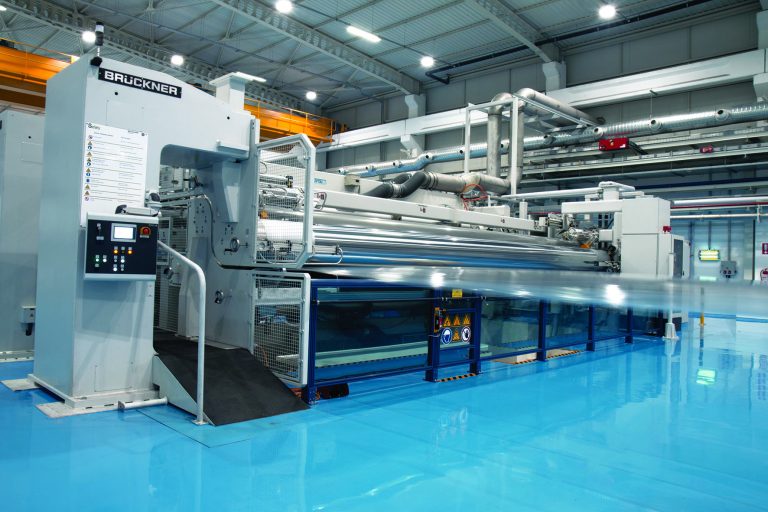
At Propak Asia from June 14 th to 17 th at the BITEC exhibition center in Bangkok Brückner Maschinenbau will focus on sustainability in film production. At booth Q34 visitors can get a deeper insight into BOPE packaging solutions for improved sustainability, especially BOPE mono-material structures. Brückner will present their BOPP/BOPE hybrid-line for the production of BOPE films, also having the flexibility to produce BOPP films. Film producers can choose between various working widths for full output and high film quality at both products.

A further focus is on battery separator film lines and components for the wet process

  • Sequential & simultaneous lines with an output ≥ 150 Mil m²/year
  • Newly released patents for advanced film production
  • High energy efficiency – low production costs – consistent film quality
  • All lines & components according to international standards and European regulations

Also at the joint booth: Brückner Servtec, presenting their service and upgrading solutions for film stretching lines under the motto “lifecycle and sustainability”:

  • New web appliance for the Brückner ONE service modules, providing even easier access to important production and plant information from anywhere in the world
  • Strengthened local presence of Brückner Group Asia Pacific in Thailand through new specialists on site from the areas of software, electric, mechanic and process
  • Improved local service with much faster response times
  • New OEM certified clip and chain overhaul centre for all chain and track systems, ensuring and maximising the availability of film stretching lines

High-End Films and a Sustainable Film Production for a Better World

www.brueckner.com


#modernplasticsindia #plasticmagazine #indianmagazine #indianplasticmagazine #modernplasticsaward #ginujoseph #modernplastic #plasticindia #plasticnews #plasticrecycling #modernplasticsglobalnetwork #modernglobalnetwok #modernplasticsaward2023 #PlasticIndustry #brueckner